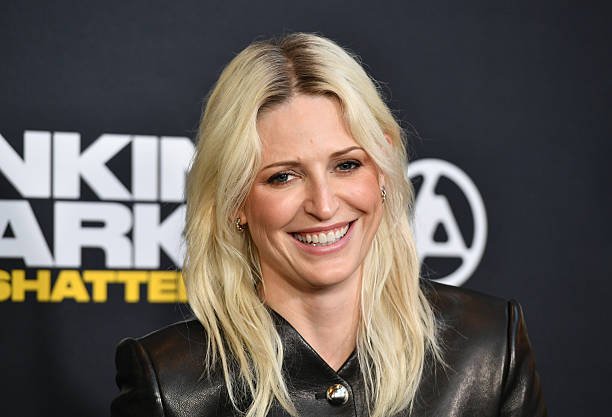
Joining a legendary rock band is a dream for many musicians, but stepping into a group with a deeply devoted global fan base can also bring enormous pressure. For Emily Armstrong, who became Linkin Park’s new lead singer in 2024, one of the biggest challenges was learning to perform some of the band’s most recognizable songs while honoring the legacy of its late frontman, Chester Bennington.
Armstrong has now opened up about those emotions in Unshatter, a new documentary that follows Linkin Park’s return to the stage and explores the work that went into welcoming new members into the group. The film offers a behind-the-scenes look at Armstrong’s experience as she prepared to perform songs that have meant so much to listeners for more than two decades.
Tracks such as In the End, Numb, Crawling, and What I’ve Done are closely associated with Bennington’s distinctive voice and intense performances. For Armstrong, approaching this catalog meant confronting a difficult question: Could she make these songs work with her own voice without losing the emotional power that made them so important to fans?
The singer admits that the responsibility initially made her question whether she was ready for the challenge. Rather than attempting to imitate Bennington, however, she eventually focused on bringing her own interpretation to the music while preserving the feelings at the heart of the original recordings.
The documentary also follows the band’s preparations for its return, revealing how Armstrong worked with Linkin Park’s musicians to find the right vocal arrangements, adjust song keys, and build confidence performing the group’s best-known material.
For longtime fans, Unshatter provides an intimate look at a major transition in Linkin Park’s history. For Armstrong, it documents the difficult but meaningful process of finding her place in a band whose music has shaped the lives of millions.
Emily Armstrong Admits She Questioned Whether She Could Handle Linkin Park’s Biggest Songs
When Armstrong agreed to join Linkin Park, she knew that performing with the band would involve much more than learning a set list. The group’s catalog contains songs that listeners have connected with emotionally for years, and many fans associate those recordings directly with Bennington.
In Unshatter, Armstrong reflects on the doubts she experienced while preparing to perform the material.
She describes questioning whether she was suited to the role and worrying that audiences would judge her against the standards established by the band’s original recordings. She also recognized how familiar listeners were with the songs, making every vocal decision potentially noticeable to longtime fans.
The challenge was particularly significant because Bennington’s performances were central to Linkin Park’s identity. His powerful vocals, emotional intensity, and ability to move between melodic singing and aggressive delivery helped define the band’s sound.
Armstrong understood that listeners would not approach the new performances without expectations. Many people had spent years listening to the original recordings, attending concerts, and associating the songs with particular memories.
That reality made the task intimidating.
However, Armstrong’s eventual approach was not to recreate Bennington’s voice. Instead, she concentrated on what she could bring to the music herself.
Her perspective was that no performer could replace Bennington, and attempting to become someone else would not be the right way to approach the opportunity.
The goal, therefore, became finding a personal connection to the songs and communicating their emotional meaning through her own performance.
That distinction is important. A successful live interpretation does not necessarily need to sound identical to the studio version. It needs to respect the composition while giving the audience a compelling experience in the present.
For Armstrong, learning how to balance those expectations was a major part of preparing to perform with Linkin Park.
Why Chester Bennington’s Legacy Made the Challenge So Emotional
Chester Bennington remains one of the most influential voices in modern rock. As Linkin Park’s original lead vocalist, he helped shape the sound of a band that combined alternative rock, metal, electronic elements, hip-hop influences, and deeply personal lyrics.
His performances often moved between vulnerability and explosive intensity. That contrast became a defining feature of songs such as Crawling, Numb, and In the End.
Bennington died in 2017 at the age of 41, leaving fans and fellow musicians mourning the loss of a performer whose music had become an important part of their lives.
His death also left Linkin Park facing difficult questions about its future. The band’s songs remained widely loved, but moving forward without the singer who had helped define them presented an enormous creative and emotional challenge.
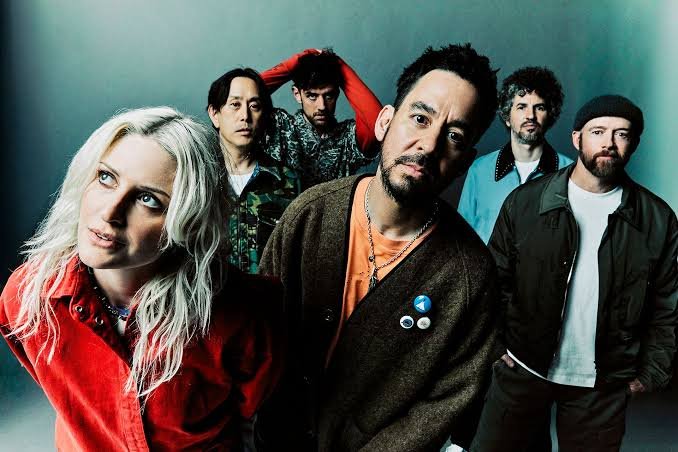
When Linkin Park returned with Armstrong in 2024, the transition inevitably attracted attention from fans around the world.
For Armstrong, that history meant approaching the band’s catalog with an awareness of its significance. She was not simply learning songs written and performed by other musicians. She was entering a musical legacy connected to years of memories, personal struggles, and shared experiences among listeners.
In the documentary, Armstrong explains that she wanted to preserve the emotional impact of the original songs as much as possible.
That goal reflects a thoughtful understanding of what makes Linkin Park’s music endure. While the band’s arrangements and vocal performances are important, its songs have also resonated because listeners recognize their own feelings in the lyrics.
The challenge was to communicate those emotions without attempting to recreate a performance that belonged uniquely to Bennington.
Rather than treating his legacy as something to compete against, Armstrong chose to approach it with respect while developing her own relationship with the music.
Mike Shinoda Explains the Challenge of Reworking the Band’s Catalog
Linkin Park co-founder Mike Shinoda also discusses the process of preparing the band’s older songs for Armstrong.
Once she agreed to perform with the group, the musicians began reviewing the catalog and considering how the material could work with the new lineup.
Songs such as Crawling, Numb, and In the End were obvious priorities because they are among Linkin Park’s most recognizable tracks.
However, choosing which songs to perform was only part of the process. The band also had to consider how the music would feel with a different lead vocalist and how to preserve the qualities that made the original versions memorable.
Shinoda acknowledged that the task was complicated. These were not unfamiliar songs being introduced to a new audience. They were established favorites that listeners knew intimately.
The musicians therefore needed to balance continuity with change.
If the new performances followed the originals too closely, Armstrong might have felt pressured to imitate Bennington. If the arrangements changed too dramatically, listeners might have felt that the songs had lost something essential.
Finding the right balance required experimentation and collaboration.
The band’s experience also demonstrates that welcoming a new lead singer involves more than selecting someone with a strong voice. It requires the musicians to rethink how their existing material can be performed while allowing the new member to contribute creatively.
For Linkin Park, the process became an opportunity to rediscover familiar songs from a different perspective.
Colin Brittain Helped Armstrong Find Her Vocal Comfort Zone
The documentary also follows Armstrong’s work with new drummer Colin Brittain as the musicians prepared for the band’s return to live performances.
Brittain explains that he and Armstrong spent several days each week working together at his home over a period of months, learning the older songs and identifying what needed to change.
One of the key considerations was the songs’ musical keys.
Different singers have different vocal ranges, strengths, and comfort zones. A song that fits one vocalist naturally may require adjustments when performed by someone with a different voice.
Changing the key can help a singer deliver a song more comfortably without necessarily altering its emotional identity or overall musical character.
According to Brittain, the band experimented with different keys several times to find arrangements that suited Armstrong while preserving the energy and structure of the original material.
This process required attention to detail. A song’s emotional impact can depend on its intensity, pacing, instrumental arrangement, and the relationship between the vocals and the music.
Changing one element can affect the performance as a whole.
The musicians therefore needed to ensure that adjustments supported Armstrong rather than making the songs feel unfamiliar for their own sake.
Their work also illustrates how much preparation goes into a successful live comeback. Audiences may see only the finished performance, but months of rehearsal and experimentation can lie behind a few minutes on stage.
For Armstrong, that preparation provided an opportunity to build confidence and discover how she could deliver the songs authentically.
‘Crawling’ Became an Important Turning Point
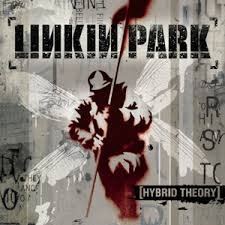
One of the first Linkin Park songs the band revisited with Armstrong was Crawling, a track from the group’s 2000 debut album, Hybrid Theory.
The song became an important early test of how the new lineup could approach the band’s classic material.
Joe Hahn, Linkin Park’s creative director and the director of Unshatter, explained that the goal was for Armstrong to sing the song in her own way rather than imitate the original performance.
That principle helped guide the band’s broader approach to its catalog.
Instead of expecting Armstrong to reproduce Bennington’s distinctive vocal style, the musicians wanted to hear what happened when she brought her own personality and emotional interpretation to the song.
The band listened, made a few adjustments, and eventually reached a point where the performance felt right.
According to Hahn, that experience helped the musicians recognize that working with Armstrong could succeed. It also made the process of approaching the remaining songs feel more achievable.
The significance of Crawling extends beyond its place in the band’s history. It provided a practical example of how Linkin Park could respect its past without freezing its music in time.
The song’s emotional core remained important, but Armstrong was allowed to approach it as a performer in her own right.
That approach may have helped reduce some of the pressure surrounding the other tracks.
Once the band found a way to make one of its most familiar songs work with the new lineup, the musicians had a clearer model for approaching the rest of the set list.
The Importance of Making the Songs Her Own
For Armstrong, finding her place in Linkin Park ultimately meant accepting that her performances would be different from Bennington’s.
Rather than attempting to recreate the past, she needed to identify what she could contribute to the music.
That approach is especially important for a singer joining an established band after the death of a beloved frontman. Comparisons are inevitable, but they do not necessarily provide a useful measure of what the new vocalist can achieve.
Every singer brings a different vocal texture, emotional perspective, and performance style.
A song can retain its central meaning even when interpreted differently, provided the performer understands what makes it resonate.
Armstrong’s focus on emotional impact suggests that she viewed the songs as more than technical challenges. She wanted to connect with their meaning and communicate that connection to audiences.
That goal also reflects the relationship between Linkin Park and its listeners. The band’s music has long offered people a way to process difficult emotions, including frustration, isolation, grief, and uncertainty.
For fans attending the new shows, hearing those songs performed again could bring a mixture of excitement and sadness. Armstrong’s role was not to erase those feelings but to help create a new live experience that acknowledged the music’s history.
The band’s decision to allow her to sing in her own style was therefore central to making the transition work.
Armstrong Says Joining Linkin Park Is a Dream Come True
Despite the pressure, Armstrong describes joining Linkin Park as an opportunity for which she feels deeply grateful.
She has acknowledged how fortunate she feels to be in the position and expressed appreciation for the chance to perform with a band she now helps carry forward.
Armstrong previously fronted the rock band Dead Sara, giving her experience as a vocalist and performer before joining Linkin Park.
However, becoming part of a globally recognized group with a decades-long history represented a different level of responsibility.
Her reflections also suggest that the timing of the opportunity has shaped how she appreciates it. Rather than viewing the change as something that arrived too late in her life, she describes the experience as one she would not want to change.
The documentary captures the combination of excitement and uncertainty that comes with such a major career development.
For Armstrong, the opportunity represents both a personal achievement and a responsibility to the band’s existing audience.
Her gratitude does not mean the transition has been effortless. The doubts she describes show that she was aware of what was at stake.
But her willingness to confront those doubts and work through the material reflects the preparation required to take on the role.
Mike Shinoda Reflects on Finding a Connection Like Linkin Park’s Again
Shinoda also reflects on the unusual nature of finding a group of musicians who share such a strong connection.
He describes the experience of building that connection with a new lineup as something difficult to express in words.
For a band with Linkin Park’s history, chemistry is an essential part of its identity. The members must be able to work together creatively, trust one another on stage, and make decisions that serve the music.
The return with Armstrong and Brittain therefore involved more than filling two positions. It required the musicians to establish a new working relationship while continuing to honor the band’s existing catalog.
Shinoda’s comments convey gratitude for the opportunity to build that connection again.
The process also shows that the band’s future depends on its ability to evolve. Its earlier work remains important, but new performances and collaborations can create opportunities for the musicians to develop another chapter.
For fans, that evolution may take time to fully embrace. The documentary provides a look at the effort required to make the transition work from the musicians’ perspective.
What Is Unshatter About?
Unshatter documents Linkin Park’s journey back to the stage in 2024, focusing on the arrival of Armstrong and Brittain and the preparations behind the band’s new lineup.
Rather than presenting only the finished live performances, the film explores the rehearsal process and the questions that emerged as the musicians revisited their older songs.
Armstrong’s doubts about whether she could handle the catalog are an important part of that story. They reveal the emotional pressure surrounding a role that would inevitably invite comparisons with Bennington.
The documentary also highlights the practical work involved in making the songs fit the new lineup, including the repeated adjustments to keys and arrangements.
Hahn’s involvement as the band’s creative director and the film’s director gives the documentary an insider’s perspective on the group’s transition.

For longtime listeners, the film offers a chance to see how Linkin Park approached a difficult new chapter. For viewers less familiar with the band’s history, it provides context for understanding why the performances carry such emotional weight.
Unshatter is currently available in a limited theatrical release, with 4DX and SCREENX screenings offered in selected locations. The film is also expected to expand to additional cities.
Meanwhile, the album Unshatter (Live in São Paulo) is available and includes exclusive recordings that do not appear in the film.
These releases provide different ways for fans to experience the band’s recent performances and the work behind them.
Final Thoughts: Emily Armstrong Is Building Her Own Chapter in Linkin Park’s Story
Emily Armstrong’s experience joining Linkin Park illustrates the difficulty of stepping into a role connected to one of modern rock’s most recognizable voices.
The pressure of performing songs such as Crawling, Numb, and In the End initially made her question whether she was ready for the responsibility. However, with support from Shinoda, Hahn, Brittain, and the rest of the band, she worked toward a different goal: delivering the songs with her own voice while preserving their emotional meaning.
The story of Unshatter is therefore not simply about learning a set list. It is about finding a way forward after loss, accepting the weight of a band’s history, and discovering how familiar music can take on new life through a different performer.
Armstrong has been clear that she cannot replace Chester Bennington, nor does she need to. Her role is to bring her own interpretation to songs that continue to matter deeply to listeners.
The documentary offers an intimate look at that process, showing both the uncertainty that accompanied the transition and the hard work that helped make it possible.
For Linkin Park, the challenge has been to respect the past while continuing to create a future. For Armstrong, it has been an opportunity to step into a major new chapter of her musical life.
And for fans, Unshatter provides a closer look at how a legendary band’s next chapter began.