
A Sequel to a Landmark Film
More than two decades after The Passion of the Christ took the world by storm, director and actor Mel Gibson is returning with a sequel titled The Resurrection of the Christ. The new project is one of the most anticipated faith-based films in recent memory. What’s unique this time is that the sequel will be released in two parts, giving audiences a more expansive portrayal of one of the most pivotal events in Christian theology.
Strategic Release Dates Rooted in Christian Symbolism
Staying true to the film’s deeply religious theme, the release strategy has been crafted around two significant Christian dates:
- Part One will hit theaters on Good Friday, March 26, 2027 – a day commemorating the crucifixion of Jesus Christ.
- Part Two will follow 40 days later on Ascension Day, May 6, 2027, marking the day believed to be when Jesus ascended into heaven.
This release plan not only aligns with the themes of resurrection and ascension but also provides a spiritual and emotional arc for viewers to follow between the two parts.
Why Split Into Two Parts?
Although detailed plot information is still under wraps, the decision to split The Resurrection of the Christ into two parts suggests that the narrative will explore much more than the moments following Jesus’s resurrection. By breaking it into two segments, the filmmakers likely intend to delve into multiple biblical events, emotional journeys, and theological implications that could not be fully explored in a single film.
This approach allows for a deeper, more meditative experience. It also gives the filmmakers space to build out character arcs, scriptural references, and the post-resurrection events in Jerusalem and beyond.
The Legacy of The Passion of the Christ
When The Passion of the Christ released in 2004, it shocked the box office. The film had a modest production budget of $30 million, yet it grossed over $83 million in its opening weekend alone in North America. It went on to earn $370 million domestically and $610 million globally, making it one of the most successful R-rated films ever.
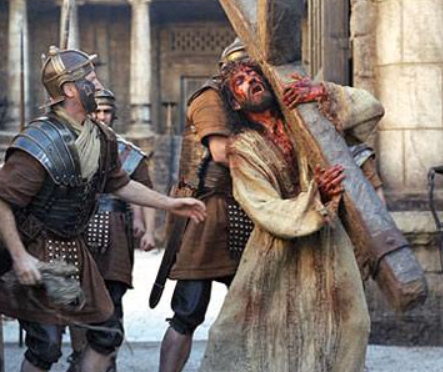
What made it stand out was its raw and unfiltered depiction of the final hours of Jesus’s life, presented in Aramaic and Latin with English subtitles. While the film stirred controversy for its graphic content and portrayal of certain events, it also earned praise from faith-based communities for its commitment to realism and devotion to biblical accuracy.
This legacy adds massive anticipation to the upcoming sequel. Fans and critics alike are wondering: Can Gibson replicate the emotional impact of his original masterpiece?
The Creative Team Behind the Sequel
Mel Gibson returns not only as the director but also as a producer of both installments. He is joined by Bruce Davey, his longtime collaborator and co-founder of Icon Productions. Together, the duo has worked on numerous successful films and has earned a reputation for delivering high-quality storytelling with strong emotional and thematic depth.
The sequel is expected to maintain the same cinematic tone, visual intensity, and theological grounding that made the first film a milestone. Although the cast hasn’t been officially announced, it is likely that some returning faces—such as Jim Caviezel, who portrayed Jesus in the original—could be involved. Rumors suggest Caviezel has already expressed interest in reprising his role.
A Modern Biblical Epic in the Making
Few filmmakers take on the challenge of producing high-budget, biblically themed movies, particularly ones with a global release strategy. However, The Resurrection of the Christ appears poised to break that mold again.
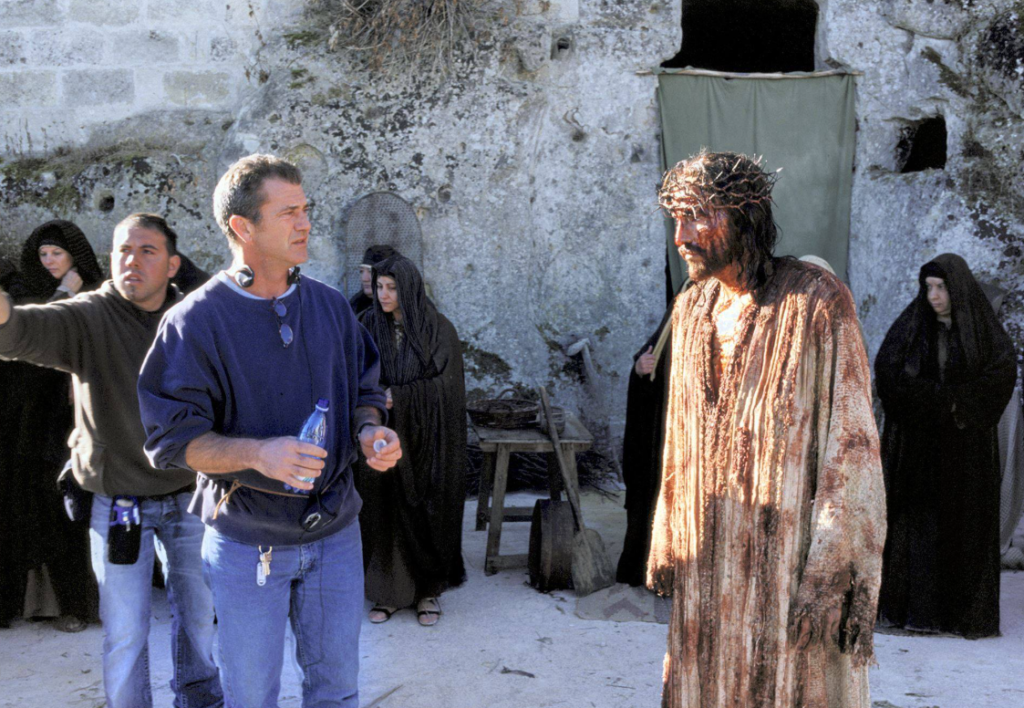
The project is being developed in a cinematic landscape that has become more open to faith-based content. With increasing demand for spiritual narratives, documentaries, and historical dramas, Gibson’s upcoming film may very well strike gold again—both spiritually and commercially.
What to Expect from Each Part
Although the filmmakers have been tight-lipped about specific plot elements, here’s what fans and biblical scholars are speculating:
- Part One will likely begin immediately after the crucifixion, showcasing the grief of the disciples, the political climate in Jerusalem, and the events at the tomb.
- Part Two could explore Jesus’s appearances after resurrection, the reactions of both followers and doubters, and the buildup to the Ascension.
There’s also talk that the sequel might incorporate references from non-canonical texts or early church writings, offering a more nuanced take on the resurrection narrative.
Cultural and Religious Impact
A film of this magnitude is bound to spark conversations across religious, academic, and film circles. It may also be used in churches, schools, and faith-based communities as a visual aid for reflection and education.
Given its timing and scope, The Resurrection of the Christ could emerge as not just a box office success but also a cultural phenomenon, just like its predecessor.
Final Thoughts
Mel Gibson’s return to biblical storytelling with The Resurrection of the Christ marks a significant moment in cinematic and spiritual history. With a two-part release tied to sacred Christian holidays, the film is not just a sequel but an event—one designed to deepen faith, provoke thought, and deliver a powerful cinematic experience.
As the world awaits more details, one thing is certain: 2027 will be a monumental year for faith-based cinema.