
Few television series have sparked as much cultural debate as HBO’s Game of Thrones. While the show is praised for its epic storytelling, world-building, and character arcs, it has also faced criticism for its depiction of sexual violence. One of the most talked-about moments was the season 5 episode where Sansa Stark, played by Sophie Turner, was raped by Ramsay Bolton. Now, years after the show ended, Turner is offering her perspective on that controversial storyline — and she isn’t shying away from the difficult conversation.
Sophie Turner Reflects on Game of Thrones
Sophie Turner, who portrayed Sansa Stark from 2011 to 2019, recently sat down for an interview in which she reflected on her character’s journey and how her understanding of certain storylines evolved as she grew older. Turner was just 12 when she auditioned for the role and 15 when filming began, meaning she essentially grew up on the set of one of television’s most intense dramas.
At 29, the actress says she now views the controversial plotlines differently than she did during her teenage years. When discussing a near-rape scene in season 2, Turner admitted she “didn’t fully understand it” at the time. “I was trying to figure it out in my young little head,” she explained. By season 5, when Sansa’s marriage to Ramsay Bolton culminated in one of the show’s darkest moments, Turner said she had “more of a grasp on what was happening” and was able to process the importance of what the writers were trying to convey.
Defending the Controversial Scene
The episode in question, Unbowed, Unbent, Unbroken, aired in 2015 and instantly divided fans and critics. Many felt the show had gone too far, with some accusing the writers of using rape as a “plot device” rather than meaningful storytelling. However, Turner defends the creative choice.
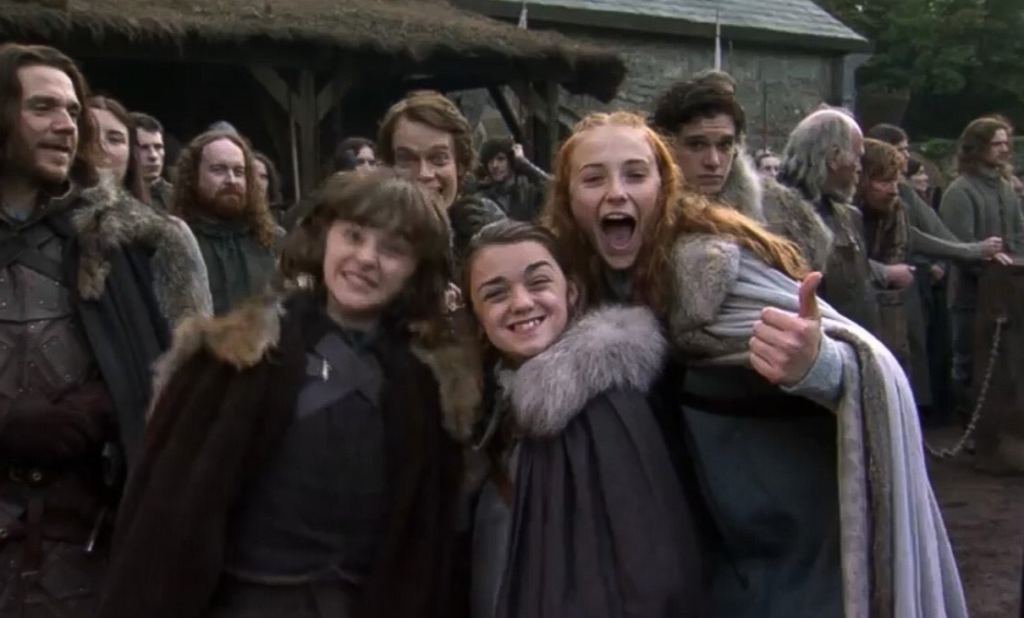
“I did feel — and still do — that Game of Thrones shone a light on things that many people were like, ‘Oh god, you can’t show that kind of thing,’” Turner said. “I understand it can be triggering, I totally understand that point of view. But I also felt we were doing justice to women and the fight women have had for hundreds of years — being treated as objects, being constantly sexually assaulted. I don’t think there’s one woman I know who hasn’t had a form of that.”
Turner emphasized that the storyline was not intended as gratuitous shock value but rather as an acknowledgment of the brutal realities women have historically endured. In her words, the scene was part of a larger conversation about patriarchy, abuse, and resilience.
The Critics’ Divide
When the episode first aired, reactions from media outlets and fans were sharply divided.
- Critics Against: A writer for The Atlantic condemned the scene, arguing that the showrunners’ tendency to amplify sexual violence weakened the adaptation of George R.R. Martin’s source material. Another critic from Vanity Fair noted that Sansa’s growth as a strong and independent character was undermined by portraying her as a victim once again.
- Supporters: Conversely, a Guardian critic defended the writers, calling the scene “more than just a plot device” and praising the way it was handled. The review described it as a gothic tale of innocence sacrificed, one that foreshadowed Sansa’s eventual transformation into a resilient leader.
This split highlighted the broader debate about how media portrays sexual violence. Should television attempt to show these realities authentically, or does it risk crossing into exploitative territory?
Sophie Turner’s Personal Growth
Turner has acknowledged that her teenage years on the Game of Thrones set were filled with challenges, especially given the mature and often explicit storylines. Looking back, she even joked that the series provided her with “more than enough sex education.” Speaking on the Dish podcast in July 2025, she admitted:
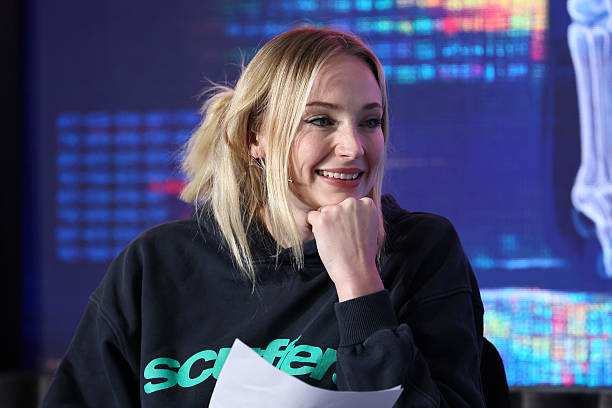
“I definitely got my sex education from that show. More, more than enough.”
Despite the difficulties, Turner remains grateful for the experience. “It informed my entire life in terms of business decisions, etiquette on set, how to act,” she said. “It was amazing. I feel proud to have been part of the conversation.”
The Legacy of Sansa Stark
While the debate around Game of Thrones’ use of sexual violence continues, one thing is certain — Sansa Stark’s arc remains one of the most impactful of the series. From a naive girl dreaming of marrying a prince to a hardened leader who became Queen in the North, her journey resonated with millions of viewers worldwide.
For Turner, being part of such a powerful character arc — even when it included dark and painful moments — is something she embraces. She believes that the show didn’t shy away from depicting the atrocities women faced historically, and in doing so, it sparked important conversations about representation, consent, and resilience.
“I’m really proud to have been part of Game of Thrones where they didn’t shy away from showing atrocities that happened to women back then,” she concluded. “I feel proud to have been part of the conversation.”
Final Thoughts
Sophie Turner’s comments remind us of the complexity of storytelling in television. While controversial, the Sansa Stark rape scene remains one of the most talked-about moments in Game of Thrones history. Whether one agrees or disagrees with its inclusion, Turner’s defense highlights an important point: sometimes the darkest moments in fiction force us to confront uncomfortable truths in reality.
With Game of Thrones now complete but still widely streamed, these debates continue to shape how future shows may choose to handle similar themes. For Turner, however, the legacy of Sansa Stark is one of survival, strength, and courage — a character she will forever carry with her.