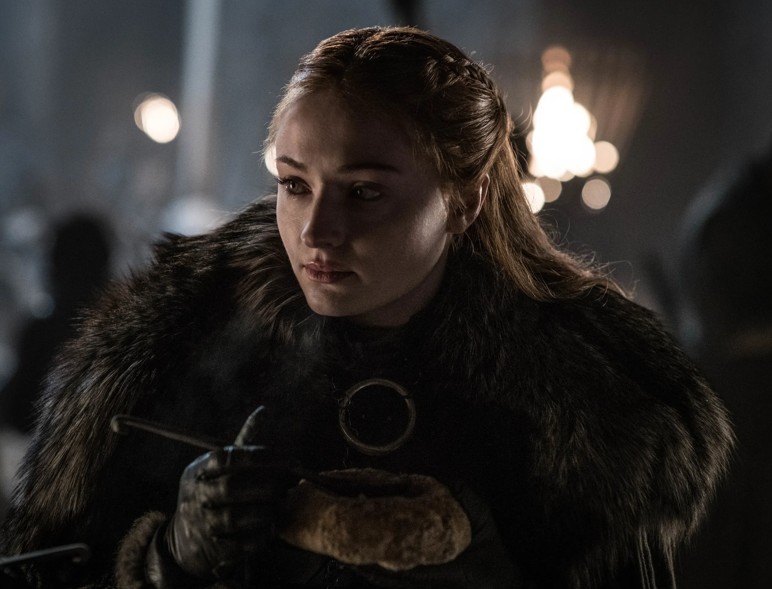
When it comes to Game of Thrones, few characters experienced a transformation as powerful, realistic, and emotionally layered as Sansa Stark. From a naïve young girl dreaming of marrying a prince to becoming the Queen in the North, Sansa’s journey wasn’t just one of survival — it was one of evolution, resilience, and intelligence.
While several Game of Thrones characters had incomplete arcs or met disappointing ends, Sansa’s growth stood out because it reflected something deeply human: learning through pain, betrayal, and endurance. Her transformation wasn’t sudden or fueled by magic — it was earned, step by step, through experience, trauma, and self-awareness.
The Early Days: Sansa’s Sheltered Life in Winterfell
When we first met Sansa Stark in Season 1, she was a young teenager — polite, proper, and a bit bratty. Raised in the safety of Winterfell, surrounded by honor, family, and stability, she had no idea of the dangers that existed beyond the North. Her biggest dream was to become a queen — to marry a handsome prince and live a fairy-tale life in King’s Landing.
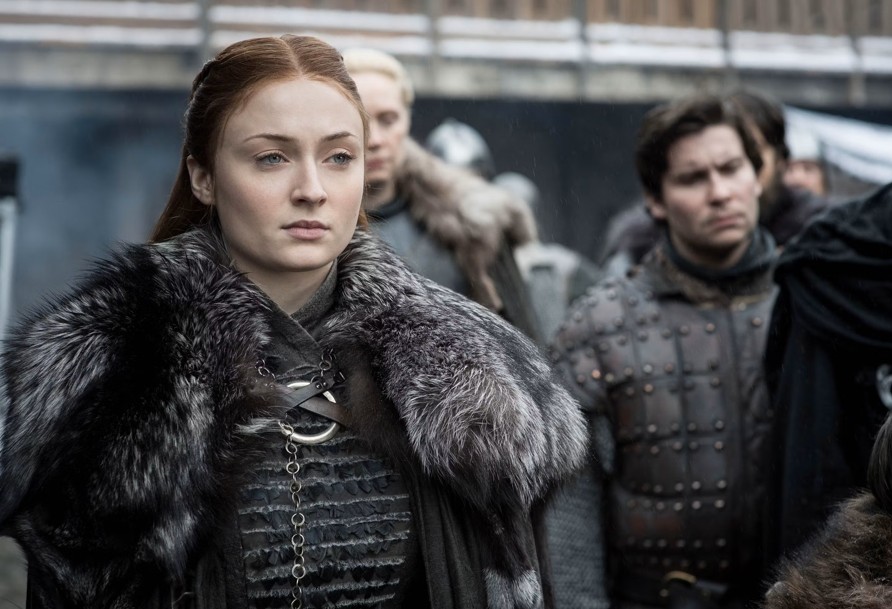
But the capital was not the storybook kingdom she imagined. It was a den of deceit, politics, and brutality. Her rude awakening began early — from losing her direwolf, Lady, to witnessing the downfall of her father, Ned Stark. These moments forced Sansa to confront a cruel truth: kindness and nobility don’t always win in the real world.
The Harsh Lessons of King’s Landing
Sansa’s time in King’s Landing was her most transformative period — and also her most traumatic. Betrayed, humiliated, and used as a political pawn, she learned how fragile innocence could be in a world ruled by power.

Her engagement to Joffrey Baratheon was a nightmare that exposed her to the darkness behind royal titles. Yet, even as she suffered, Sansa began to learn. Watching figures like Cersei Lannister and Petyr Baelish (Littlefinger), she studied manipulation, survival, and the art of quiet defiance.
Many viewers criticized her for appearing passive or naive during these years, but in truth, Sansa was absorbing everything — learning how to play the game from those who played it best. She understood that sometimes, survival meant silence.
The Mistakes That Made Her Stronger
Even after escaping King’s Landing, Sansa made mistakes. Trusting Littlefinger was one of them. Despite knowing his manipulative tendencies, she still believed he could help her find safety or power. But like many victims of trauma, Sansa’s decisions reflected her upbringing — she still clung to the hope that someone could save her instead of saving herself.
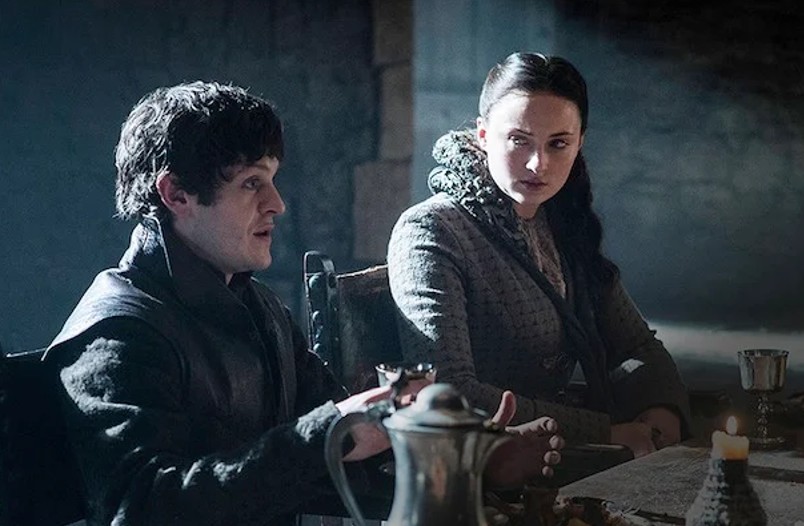
This step backward made her character development more believable. Real growth is never linear. People often return to harmful patterns before finally breaking free. For Sansa, that final breaking point came after her time in Winterfell under Ramsay Bolton.
The cruelty she endured there was unimaginable, but it also became the final stage of her transformation. When she escaped and confronted Ramsay later, she did so not with fear, but with cold calculation. It was the birth of the Queen of the North — a woman who would never again be controlled by anyone.
Learning From Her Enemies
One of the most brilliant aspects of Sansa’s character was how she learned from her enemies. She took lessons from the very people who hurt her — using their tactics for good instead of evil.
From Cersei Lannister, she learned strategy and emotional strength. From Littlefinger, she learned manipulation and foresight. Each painful interaction became a lesson in leadership. Unlike many others in the series who let anger drive them, Sansa learned patience, observation, and timing.
By the time she reunited with Jon Snow, she was no longer the timid girl from Season 1. She stood her ground, voiced her opinions, and wasn’t afraid to challenge his decisions. When the Northern lords crowned Jon as King in the North, Sansa’s reaction wasn’t one of jealousy, but realism — she understood that she still had work to do to earn their respect.
The Rise of the Queen in the North
Sansa’s final rise as the Queen of the North wasn’t due to brute strength or bloodline — it was her intelligence, diplomacy, and resilience that won her the crown.
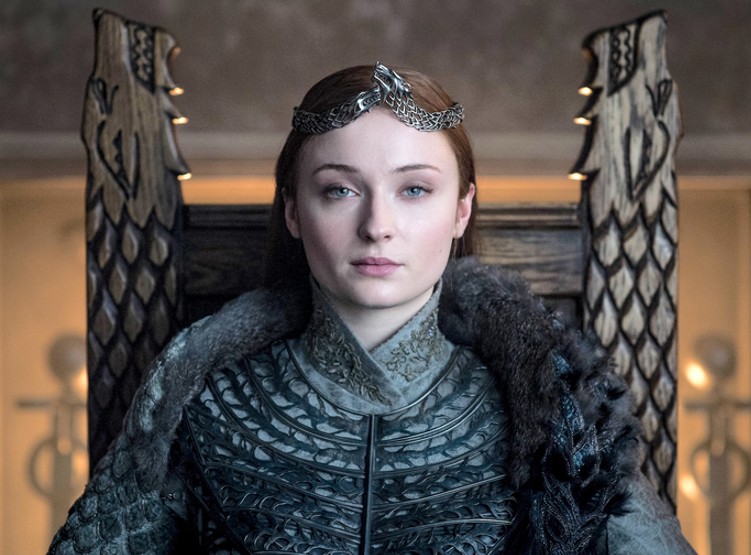
Unlike Daenerys Targaryen, who pursued power with fire and fury, Sansa’s strength was quiet and measured. She didn’t seek to conquer — she sought to protect. She understood that leadership was about earning loyalty, not demanding it.
When Bran Stark was chosen as King of the Six Kingdoms, Sansa stood firm and declared the North’s independence. Her calm yet assertive stance showed how far she had come — from a pawn to a ruler who shaped her own destiny.
Why Sansa’s Arc Was the Smartest of All
Sansa Stark’s development stands out because it mirrors real human growth — imperfect, painful, and layered. She wasn’t suddenly brave like Arya or magically powerful like Daenerys. Her transformation took years of subtle change, marked by mistakes, reflection, and quiet endurance.
Her story reminds us that intelligence isn’t just about book smarts or strategy — it’s about emotional intelligence, resilience, and knowing when to act. She didn’t win her battles with swords or dragons but with her mind — and that’s what made her one of the smartest and most realistic characters in Game of Thrones.
By the end, Sansa embodied everything her family stood for — strength, honor, and wisdom — but she added one more element that her father and brothers often lacked: political cunning.
Final Thoughts
From a naive girl who dreamed of fairy tales to a queen who created her own destiny, Sansa Stark’s story is proof that sometimes, the most powerful weapon is experience. Her journey wasn’t about revenge or power — it was about survival and transformation.
Sansa didn’t just rule the North — she earned it, piece by piece, scar by scar.
And in the world of Game of Thrones, that might just make her the smartest character of them all.