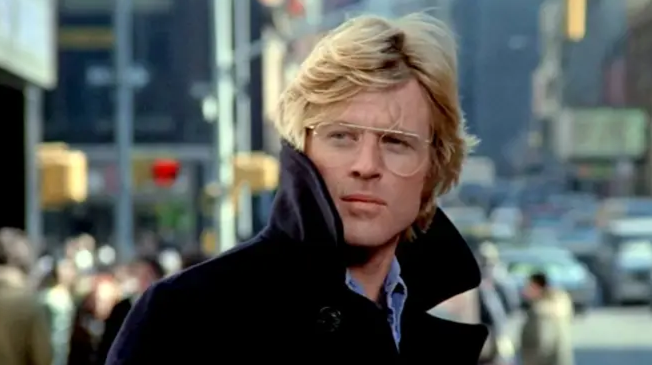
When Three Days of the Condor was released in 1975, it immediately struck a chord with audiences who were living through an era of political unrest, public distrust, and disillusionment with powerful institutions. Directed by Sydney Pollack and starring Robert Redford, the film remains one of the most gripping and unsettling spy thrillers of its time. It dared to deny viewers a neat resolution, instead reflecting a world full of paranoia, corruption, and unanswered questions.

Set against the backdrop of post-Watergate America and the lingering scars of the Vietnam War, the film offered audiences not escapism but confrontation. It mirrored the uncertainty of the period and pushed viewers to question the integrity of organizations they once trusted. Nearly five decades later, Three Days of the Condor continues to stand tall as a dark meditation on power, secrecy, and the fragility of truth.
The Story at a Glance
Robert Redford plays Joseph Turner, a seemingly ordinary man working under the cover of the American Literary Historical Society—a CIA front operating in an unassuming New York townhouse. Turner’s role may appear dull at first glance: he analyzes literature, including spy novels, searching for coded references or hidden security threats. But this scholarly pursuit hides the reality that Turner and his colleagues are engaged in sensitive intelligence work.
Everything changes in an instant. When Turner returns from lunch one afternoon, he discovers that all of his co-workers have been murdered in a cold-blooded hit. With no one left to turn to, he quickly realizes that the very institution he serves may be involved in the conspiracy. What follows is a tense and relentless chase, as Turner struggles to stay alive while navigating a maze of deception, betrayal, and half-truths.
A Different Kind of Hero
Unlike the traditional, larger-than-life action heroes of espionage cinema, Turner is portrayed as an intellectual rather than a fighter. Redford’s character is bookish, unprepared for violence, and painfully naïve about the darker realities of the organization he serves. This choice makes him both relatable and vulnerable.
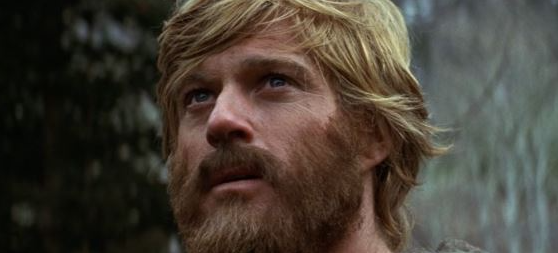
Instead of charging into battle with guns blazing, Turner relies on his wits, his instincts, and a growing awareness that the world is not as straightforward as he once believed. This shift away from the glamorous spy archetype introduced audiences to a more human, grounded hero—one whose survival depended as much on luck as intelligence.
Themes of Distrust and Paranoia
Pollack’s direction ensures that Three Days of the Condor is never just a thriller about a man on the run. At its core, the film is an exploration of distrust—distrust in authority, institutions, and even personal relationships.
By the mid-1970s, Americans were still grappling with the fallout of Watergate, a scandal that had shattered public confidence in the presidency and government at large. The Vietnam War had further deepened cynicism, creating a climate where questioning official narratives was no longer fringe—it was mainstream.
Three Days of the Condor channels this cultural mood perfectly. The CIA in the film is depicted not as a bastion of patriotism but as a shadowy organization riddled with corruption, where internal factions pursue their own hidden agendas. Viewers are left with the unsettling impression that those entrusted with safeguarding democracy may themselves be undermining it.
Performances that Elevate the Film
Robert Redford’s portrayal of Joseph Turner is masterful. His charisma balances Turner’s vulnerability, allowing the audience to empathize deeply with his fear and confusion. Faye Dunaway also shines as Kathy Hale, a woman unwillingly drawn into Turner’s desperate situation. Her presence adds complexity to the narrative, highlighting the human costs of secrecy and mistrust.
The film’s antagonists, played with chilling restraint, are equally compelling. Rather than cartoonish villains, they are cold, calculated professionals—men who commit atrocities not out of passion but as part of their “duty.” This realism makes the threat feel far more terrifying.
A Story Without Easy Answers
Most thrillers eventually provide viewers with closure: the villain is exposed, the hero triumphs, and order is restored. Pollack refused to give audiences that satisfaction. Instead, Three Days of the Condor concludes with uncertainty, leaving both Turner and viewers unsure whether justice will ever prevail.
This refusal to tie up loose ends was bold for its time. It reflected not just a stylistic choice, but a cultural reality—Americans in the 1970s knew that scandals like Watergate or covert operations in Vietnam rarely ended with simple answers. By denying resolution, the film holds a mirror to the audience, forcing them to grapple with the uncomfortable truth that corruption and secrecy rarely dissolve neatly.
Why the Film Still Matters Today
Though nearly half a century old, Three Days of the Condor feels strikingly relevant in the modern world. The themes of surveillance, government overreach, and corporate influence remain pressing issues. In today’s digital age, where concerns about privacy, data collection, and misinformation dominate headlines, the paranoia of the 1970s has only evolved into new forms.
Watching Redford’s Turner navigate a world where allies may be enemies and truth is elusive resonates as strongly now as it did then. The film serves as a timeless reminder of the dangers of unchecked power and the importance of questioning the systems that shape our lives.
Legacy of a Classic
Three Days of the Condor remains one of Sydney Pollack’s greatest works, cementing his reputation as a director capable of combining commercial appeal with deep social commentary. It also reinforced Robert Redford’s position as not just a Hollywood star, but an actor unafraid to take on roles that challenged audiences.

The film’s influence can be seen in countless later thrillers—from the Jason Bourne franchise to political dramas like Syriana. Each, in its own way, owes a debt to Pollack’s decision to make paranoia and distrust the central themes of a mainstream film.