
At 79 years old, Sylvester Stallone is still not ready to let go of one of his most iconic characters — John Rambo. In fact, the Hollywood legend has floated an idea that has stirred both amusement and intrigue: he wants to star in a Rambo prequel as his 18-year-old self, digitally de-aged using artificial intelligence.
The concept might sound outlandish, but Stallone doesn’t think it’s such a stretch. “AI is sophisticated enough to go through Saigon to see [Rambo] at 18 years old and basically use the same image,” he recently said while promoting the latest season of his Paramount+ series Tulsa King. Though he admitted that “everyone thought I was crazy” when he brought up the idea, Stallone seems serious about exploring the possibility.
The Idea of AI-De-Aged Rambo
Artificial intelligence and digital de-aging technology have become increasingly popular in Hollywood. From Marvel films to The Irishman, studios have experimented with digitally making actors look younger. But while shaving 20 or 30 years off an actor’s face has met mixed reactions, Stallone’s proposal goes far beyond that — de-aging himself by six decades.
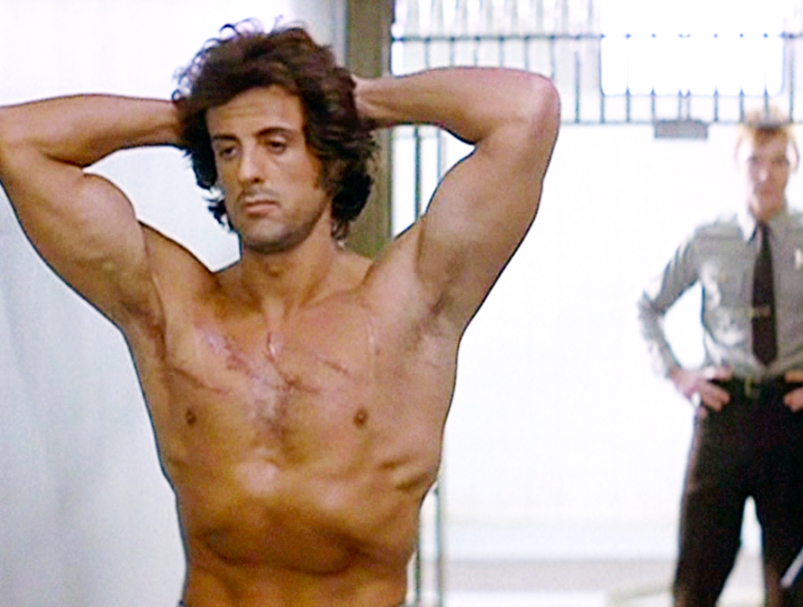
It’s a bold concept. Back in First Blood (1982), Rambo was introduced as a wiry, rugged Vietnam veteran who just wanted to be left alone. His quiet intensity and raw physicality set the stage for one of cinema’s most enduring action heroes. Trying to recreate that version of Rambo with digital wizardry in 2025 raises questions about believability. Can AI really replicate the youthful strength, stamina, and look of Stallone from 60 years ago?
Hollywood’s Obsession with Nostalgia
Stallone’s suggestion comes at a time when Hollywood is mining his past works more aggressively than ever. A young Rambo project with actor Noah Centineo has been reported, and a “making-of-Rocky” film is already in development, directed by Peter Farrelly.
Stallone expressed some shock at the Rocky project, as he wasn’t consulted about it. Antonio Ippolino is set to play a young Stallone, but the star himself said: “I was shocked to read [about] it. I have zero to do with it.” His remarks highlight a recurring theme — Stallone’s characters are so iconic that Hollywood keeps returning to them, whether he’s directly involved or not.
The Challenges of Playing His Own Younger Self
Stallone argues that it’s “very, very hard” for younger actors to step into his shoes. He referenced his own experience with the 2000 remake of Get Carter, where critics compared him unfavorably to Michael Caine in the original. “Everyone loves the original, and then you’re always fighting that prejudice,” Stallone explained.

In his view, using AI to play his younger self avoids this problem. Why risk disappointing fans with another actor when technology can recreate a familiar face and voice? To Stallone, this might be the only way to preserve the essence of Rambo.
Still, the notion of an AI-generated Stallone is controversial. While technology has improved dramatically, de-aging is still far from perfect. Fans often find the results distracting or unnatural, especially when applied to extreme cases.
The Problem with Over-De-Aging
Part of what made First Blood so impactful was its realism. Rambo wasn’t introduced as an unstoppable super-soldier but as a battle-scarred veteran struggling with trauma. He looked and felt like an ordinary man — until his survival instincts kicked in.
If Stallone’s idea were realized, it could create a strange contrast. Imagine a digitally sculpted, muscular “AI Stallone” tearing through Vietnam jungles in a prequel. Would it feel authentic, or would it come across as an uncanny imitation of the real thing?
The industry has already seen backlash over de-aging effects that fall into the “uncanny valley.” Knocking off six decades may push even the most advanced technology to its limits.
Why Stallone Thinks It’s Necessary
For Stallone, this isn’t just about experimentation. He believes audiences have a strong emotional connection to him as Rambo, and replacing him with another actor may not satisfy longtime fans. While Noah Centineo might deliver a strong performance as a young Rambo, Stallone feels that prejudice against reboots and recasting could doom the project.
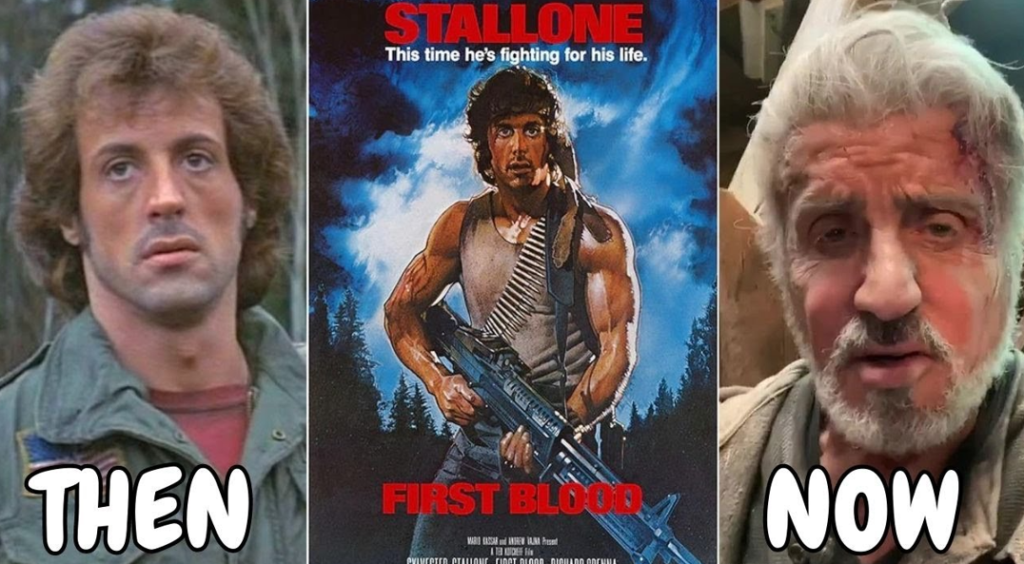
To him, the safer option is “computer beef” — an AI version of himself that allows him to continue embodying the role he made famous. “He may do a stellar job,” Stallone said of Centineo, “but you’re overcoming this.” His words suggest he believes audiences would prefer a digital Stallone over a flesh-and-blood replacement.
The Bigger Question: Should Hollywood Do This?
Stallone’s comments reflect a growing debate in Hollywood: should AI be used to resurrect younger versions of actors? Some see it as a tool that allows legends like Stallone, Harrison Ford, or even deceased stars to live on in new films. Others argue it robs opportunities from young actors and reduces cinema to digital trickery.
The fascination with nostalgia keeps fueling these conversations. Audiences want to relive the magic of beloved franchises, but doing so often comes at the cost of originality. Would an AI-generated Rambo truly capture the spirit of First Blood, or would it feel like an artificial attempt to bottle lightning twice?
Conclusion
Sylvester Stallone’s proposal to play an 18-year-old Rambo with the help of AI is both fascinating and controversial. On one hand, it represents the cutting edge of technology and the lengths Hollywood is willing to go to keep iconic characters alive. On the other, it raises questions about authenticity, artistic integrity, and whether nostalgia-driven projects can ever match the originals.
For Stallone, the idea is more than just science fiction — it’s his way of keeping John Rambo firmly in his grasp. Whether audiences embrace or reject the concept, one thing is clear: even at 79, Stallone continues to push the boundaries of what’s possible in Hollywood.