
The world of cinema has lost one of its greatest icons. Robert Redford, the award-winning actor, director, and passionate advocate for independent film, passed away at his home in Utah at the age of 89. Known not only for his magnetic screen presence but also for his behind-the-scenes contributions to the industry, Redford’s career stretched across more than six decades, leaving an indelible mark on Hollywood and the global film community.
The Rise of a Star
In the fall of 1969, Robert Redford’s career changed forever. That year, he appeared in two very different films that defined his trajectory as both a movie star and a filmmaker.
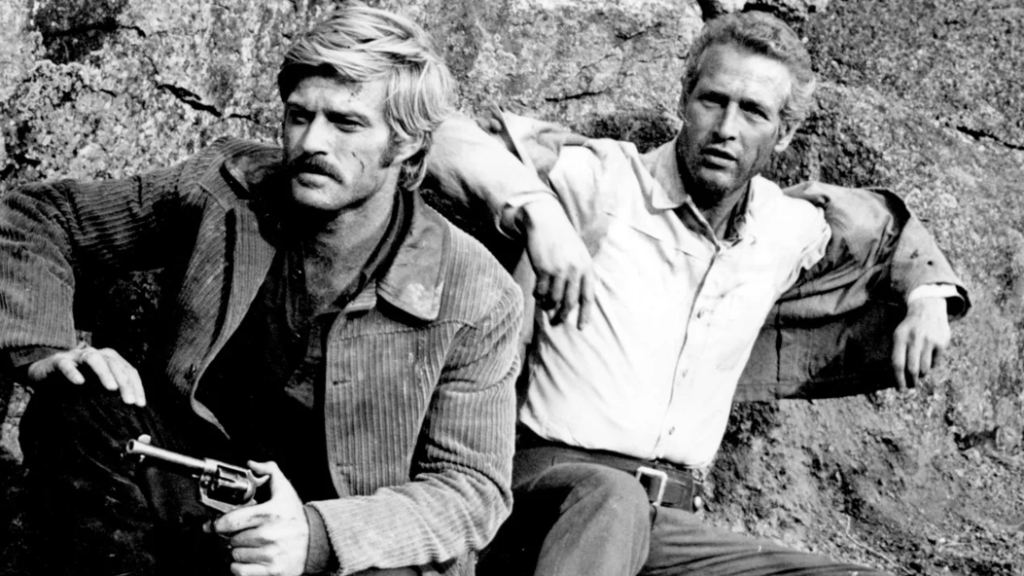
The first was Butch Cassidy and the Sundance Kid, a lighthearted yet poignant tale of two outlaws on the run. Redford’s role as the Sundance Kid turned him into an international sensation and cemented his status as a leading man.
The second was Downhill Racer, a smaller, darker film about a competitive skier. Unlike Butch Cassidy, it was a box office disappointment, but for Redford, it planted the seed of a lifelong passion: to tell unconventional stories that Hollywood might overlook. Years later, he admitted that Downhill Racer pushed him toward creating opportunities for independent filmmakers.
A Career Spanning Blockbusters and Art
Over the next 50 years, Redford became one of the most recognized faces in cinema. He starred in commercial and critical successes such as The Sting (1973), All the President’s Men (1976), and The Natural (1984). His on-screen charisma, combined with a subtle intensity, made him one of the most bankable stars of the 1970s and ’80s.
But Redford was not content to remain just an actor. In 1980, he directed Ordinary People, a family drama that earned him the Academy Award for Best Director. His success behind the camera was not a fluke—he later directed acclaimed films like Quiz Show (1994) and The Horse Whisperer (1998).
Over his lifetime, he earned two Golden Globe Awards, a Presidential Medal of Freedom, and countless tributes from peers. Yet, for Redford, the accolades were never the goal. As he told an interviewer in 2013, “Hollywood was not a place I dreamed of getting to. I never could take seriously the obsession people have about being a celebrity or getting to Hollywood—I was born next door.”
The Birth of Sundance
Perhaps Redford’s most significant contribution to cinema came not from his acting or directing but from his vision for independent filmmaking. In 1981, on his Utah property, he launched the nonprofit Sundance Institute, which supported young filmmakers eager to tell unique stories.
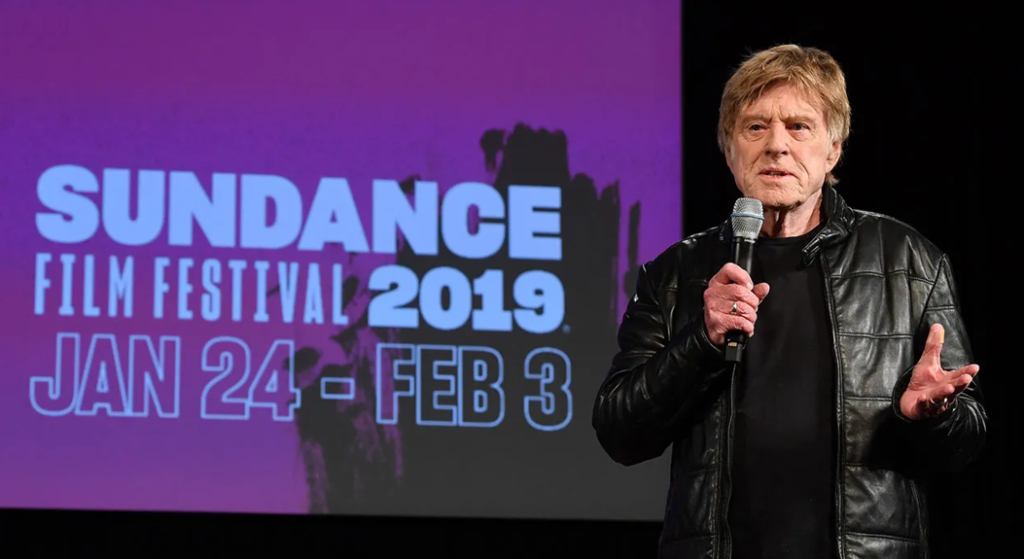
Soon after, the Sundance Film Festival was born. At first, many doubted its success—who would travel to snowy Park City, Utah, to watch low-budget films? But by the late 1980s, Sundance had become a hub for independent cinema.
Films like Steven Soderbergh’s Sex, Lies, and Videotape (1989), Quentin Tarantino’s Reservoir Dogs (1992), and Kevin Smith’s Clerks (1994) premiered there, sparking an indie film boom in the 1990s. Redford’s dream had come true: he had built an ecosystem where smaller voices could be heard alongside Hollywood blockbusters.
Early Life and Influences
Born Charles Robert Redford Jr. in Santa Monica, California, on August 18, 1936, Redford grew up in a working-class household. His father, an accountant, hoped his son would take a stable path. His mother, however, encouraged his adventurous side, always believing he could do anything.
In high school, Redford admitted he was more interested in sports than academics, often calling himself a “screw-up.” He earned a baseball scholarship to the University of Colorado but dropped out and moved to Europe, where he studied art and immersed himself in culture.
When he returned to the U.S., he pursued acting, studying at the American Academy of Dramatic Arts in New York. His big break came in 1963, when he starred in Neil Simon’s Broadway hit Barefoot in the Park. He later reprised the role in the 1967 film adaptation alongside Jane Fonda.
Friendships and Collaborations
Throughout his career, Redford built lifelong friendships with actors and directors who shaped his journey. His partnership with Paul Newman remains one of Hollywood’s most celebrated duos, with their films Butch Cassidy and the Sundance Kid and The Sting standing as classics of American cinema.
Director Sydney Pollack became another close friend and collaborator, directing Redford in The Way We Were (1973), Three Days of the Condor (1975), and Out of Africa (1985). Redford also shared a strong friendship with Jane Fonda, with whom he co-starred in multiple films over five decades, including Our Souls at Night (2017).
These partnerships were more than professional—they were rooted in deep respect, mutual trust, and a shared love for storytelling.
Later Years and Continued Impact
Even into his 70s and 80s, Redford remained active in front of and behind the camera. He introduced audiences to Brad Pitt in A River Runs Through It (1992) and later acted alongside him in Spy Game (2001). His performance in All Is Lost (2013), a nearly wordless survival drama, was hailed as one of his finest.
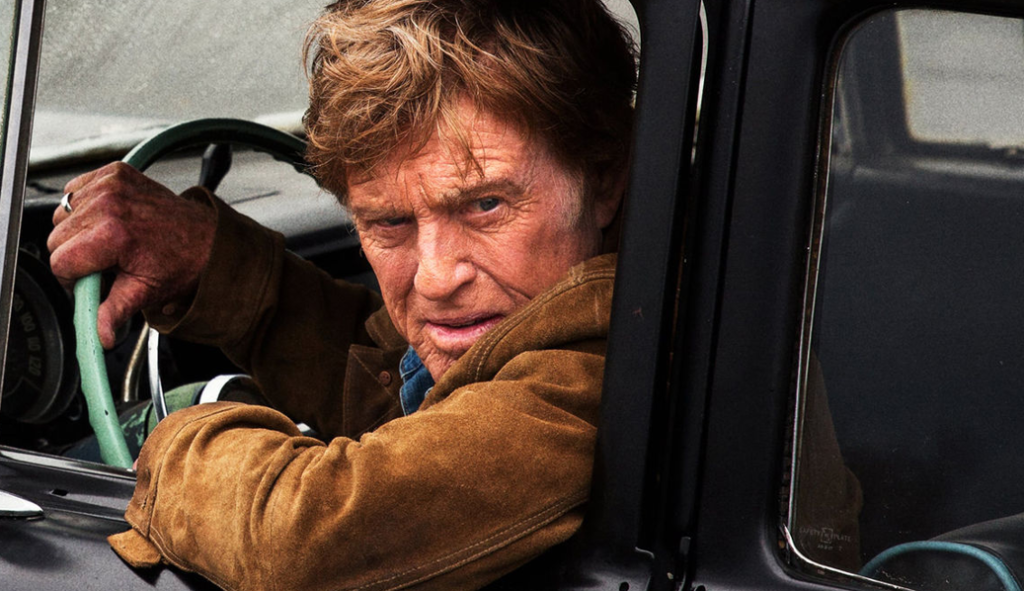
He also entered blockbuster territory, appearing in Marvel films such as Captain America: The Winter Soldier (2014) and Avengers: Endgame (2019). His final acting role was in The Old Man & The Gun (2018), a fitting swan song that combined his charm, wit, and subtle gravitas.
Family and Personal Life
Redford’s personal life was filled with both joys and tragedies. He married Lola Van Wagenen in 1958, and together they had four children: Shauna, David, Amy, and Scott. Sadly, Scott died in infancy, and David, a filmmaker, passed away in 2020. The couple divorced in 1985.
In 2009, Redford married Sibylle Szaggars, a German-born artist who survives him. His family life, though often private, remained a cornerstone of his identity.
Legacy
Robert Redford’s passing marks the end of an era, but his influence will continue to ripple through cinema. He wasn’t just a movie star—he was a trailblazer who used his fame to support new voices and challenge the industry’s boundaries.
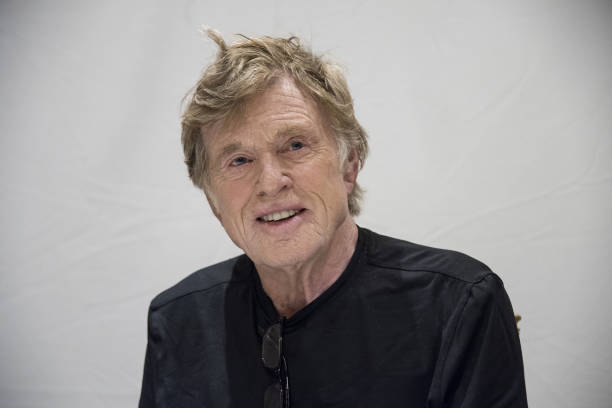
From the unforgettable charm of the Sundance Kid to his visionary role in shaping independent film, Redford’s life reminds us of the power of art, storytelling, and resilience. His career was not defined by celebrity but by purpose.
As Redford once said:
“You make the most of what you’ve been given—that’s how I see it. And you keep pushing to make more of it. I don’t see any reason to stop.”
Though he is gone, his work ensures that his spirit will never fade from the silver screen.