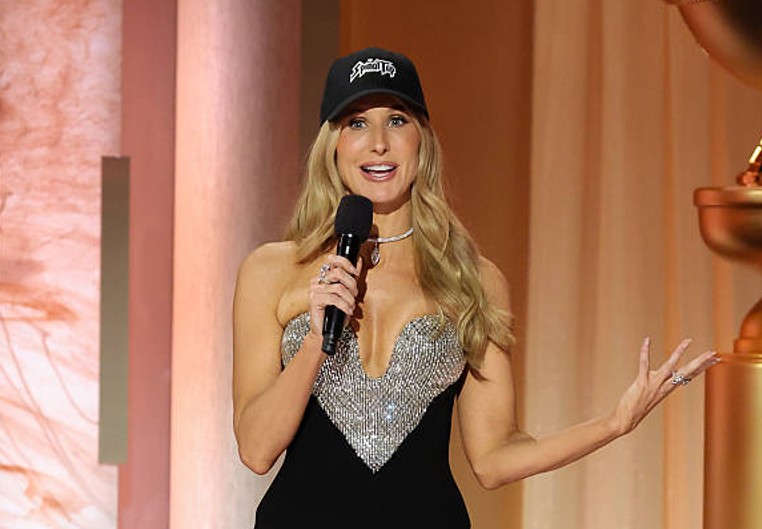
After successfully hosting the Golden Globe Awards for the second consecutive year, comedian Nikki Glaser followed up her widely praised performance with an honest and revealing conversation on The Howard Stern Show. The discussion offered rare insight into what goes into crafting an awards-show monologue—and why this year’s ceremony intentionally avoided political humor.
Glaser, known for her fearless and razor-sharp comedy, earned strong reviews for walking a delicate line: roasting Hollywood stars without alienating them, keeping the room energized for an alcohol-fueled in-person audience, satisfying producers and network executives, and still connecting with viewers watching at home. Despite the turbulent political climate, she made the conscious decision to leave politics almost entirely out of her Golden Globes set.
Why Political Comedy Felt “Not Funny” This Year
During her interview with Howard Stern, Glaser explained that the absence of political jokes wasn’t about censorship—it was about tone. According to her, nothing felt funny in the traditional sense when placed against the current cultural backdrop.
She shared that even light, metaphorical jokes felt wrong. One example involved a playful bit about running out of ice at the bar—something she felt symbolized larger frustrations—but even that idea seemed too trivial for the moment. The challenge wasn’t about avoiding controversy; it was about not undermining the atmosphere of the event.
For Glaser, awards shows are supposed to be celebratory, escapist, and joyful. Injecting overt political commentary into that space simply didn’t land during rehearsals.
Even a Name Felt Too Political
Glaser revealed that even mentioning the name of the current U.S. president felt like crossing an invisible line. One joke, which referenced the newly renamed Trump Kennedy Center and jokingly rebranded the Beverly Hilton as the “Trump Beverly Hilton,” was cut before the show.
The decision, she explained, wasn’t driven by fear or pressure but by instinct. The moment a joke included that name, it shifted the room’s energy in a way that didn’t serve the night.
Glaser told Stern that sometimes the smartest move in comedy is knowing when to step back. Giving certain topics space, she said, can be more effective than forcing humor that doesn’t fit the moment.
The Steve Martin Joke That Didn’t Make the Cut
Interestingly, the “Trump Beverly Hilton” joke didn’t originate with Glaser. Comedy legend Steve Martin sent the line to her ahead of the ceremony. While she initially appreciated the clever wordplay, Martin later reached out to suggest she not use it.
According to Glaser, Martin echoed her own instincts: the joke wasn’t wrong—it just wasn’t funny in that room, on that night. The exchange highlighted how even seasoned comedians are constantly reassessing material based on timing, audience mood, and cultural context.
A CBS Joke That Survived the Edit
While most political references were removed, Glaser did keep one pointed joke aimed at the network airing the ceremony. During her monologue, she poked fun at CBS following controversy surrounding editorial decisions made within its news division.
Her quip landed cleanly with the audience and drew praise from Stern, who applauded her for navigating such a tricky topic without derailing the show’s tone.
The joke demonstrated Glaser’s precision as a host—managing to acknowledge current events without turning the ceremony into a political battleground.
A Wide-Ranging and Personal Conversation
Beyond the Golden Globes, Glaser’s interview with Stern covered a wide range of deeply personal and professional topics. She spoke openly about her career trajectory, long-term relationship, and the cosmetic procedures she’s chosen to undergo—discussing each with her trademark honesty.
She also revisited her decision not to have children, a subject she has addressed publicly before, emphasizing the importance of making choices that align with personal fulfillment rather than societal expectations.
The conversation reinforced what fans appreciate most about Glaser: her willingness to be vulnerable while remaining unapologetically herself.
From Babysitting to Movie Writing With Judd Apatow
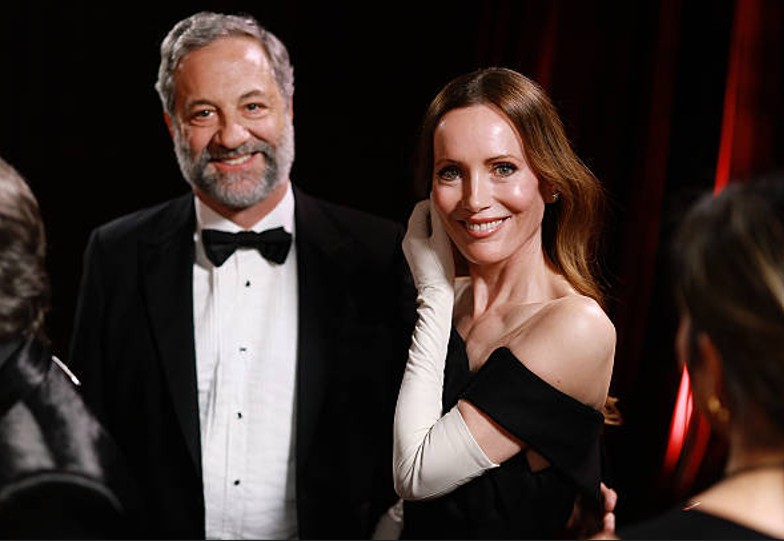
One of the more surprising revelations was Glaser’s long-standing connection to producer Judd Apatow. More than 15 years ago, before her comedy career took off, she worked as a babysitter for Apatow.
Now, the two are planning to collaborate on a movie—a full-circle moment that Glaser described as both surreal and deeply affirming. She admitted that early on, she worried Apatow might always see her through the lens of her former role. Instead, he has become someone who respects her creative process and work ethic.
According to Glaser, Apatow shares her obsessive attention to detail when it comes to comedy, particularly in high-pressure environments like awards shows.
The Jokes That Didn’t Make the Golden Globes
If Glaser hosts the Golden Globes again, one tradition may continue: sharing her “killed jokes” with Stern afterward. This year’s discarded material showcased her bold comedic style—sharp, irreverent, and unapologetic.
Among the jokes left on the cutting-room floor were playful jabs at celebrity stage names, Hollywood aging standards, and gender double standards in casting. One joke skewered how male actors continue landing glamorous roles well into their 60s, while women face drastically limited opportunities after 35.
Another joke poked fun at Brad Pitt’s role in F1, highlighting Hollywood’s willingness to stretch believability for male stars. Though these jokes earned laughs in rehearsal, Glaser ultimately decided they didn’t fit the flow of the live broadcast.
Her willingness to cut strong material in favor of cohesion and pacing underscored her professionalism as a host.
A Host Who Understands the Moment
Nikki Glaser’s approach to the Golden Globes reflects a larger shift in awards-show hosting. Rather than trying to dominate the evening, she positioned herself as a guide—keeping the energy high while respecting the room, the audience, and the moment in time.
By choosing restraint over shock value, Glaser delivered a performance that felt modern, thoughtful, and surprisingly warm. Her post-show reflections reveal just how intentional every decision was—even the jokes viewers never heard.
If this becomes her hosting legacy, it’s one built not just on laughs, but on judgment, timing, and a deep understanding of comedy’s role in culture.