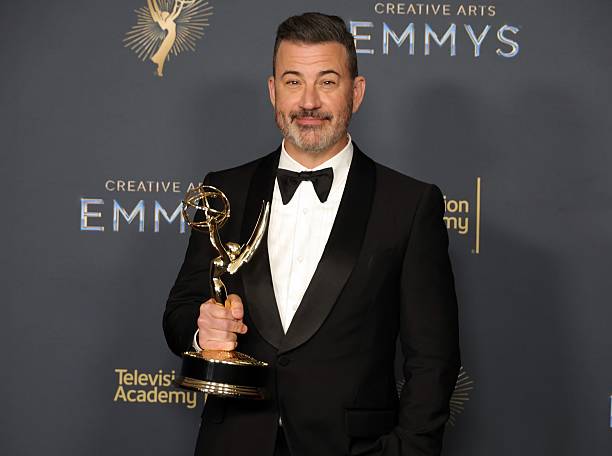
The sudden suspension of Jimmy Kimmel’s late-night show has ignited a storm of reactions across the nation, highlighting America’s deep cultural and political divide. While his supporters, including celebrities and entertainment industry leaders, are decrying the move as censorship, many critics—especially conservative voices and political figures—are celebrating the decision.
On September 17, ABC confirmed that Jimmy Kimmel Live! would be “pre-empted indefinitely.” This announcement followed pressure from Federal Communications Commission (FCC) chairman Brendan Carr, who urged the network to take action over comments Kimmel made about the alleged killer of conservative activist Charlie Kirk. Adding to the pressure, Nexstar Media Group announced that it would stop airing Kimmel’s program on its ABC affiliates shortly before the official suspension was revealed.
The Comment That Sparked the Controversy
The controversy erupted during Kimmel’s September 15 broadcast. While addressing the political response to Kirk’s death, he stated that “the MAGA gang” was “desperately trying to characterize this kid who murdered Charlie Kirk as anything other than one of them and doing everything they can to score political points from it.”
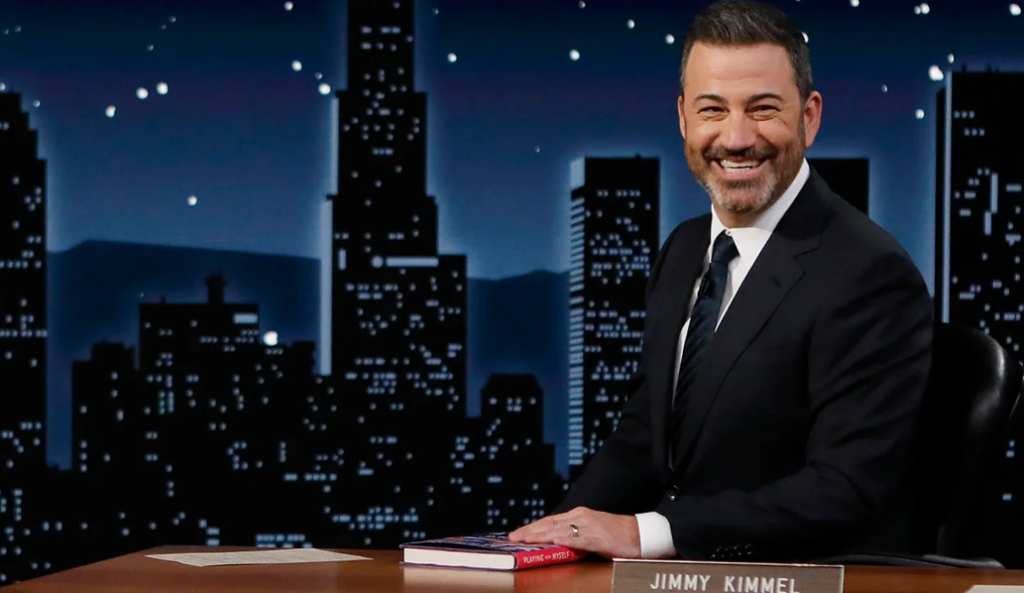
This statement immediately drew backlash from conservative circles, who accused Kimmel of mischaracterizing the situation. The decision to suspend the show seemed to happen so quickly that it caught even his guests by surprise. Comedian Wanda Sykes, who was scheduled to appear on the September 17 episode, shared on Instagram that she was already in full makeup and prepared to go live when she learned the show was canceled.
Sykes expressed her frustration: “(Trump) didn’t end the Ukraine war or solve Gaza within his first week, but he did end freedom of speech within his first year. For those of you who pray, now’s the time to do it. Love you, Jimmy.”
Hollywood Rallies Behind Kimmel
Many celebrities and industry peers quickly voiced their outrage.
- Jean Smart, who portrayed a talk show host in HBO Max’s Hacks, said she was “horrified,” insisting Kimmel’s comments were free speech, not hate speech.
- Ben Stiller shared his disapproval with a brief but powerful statement on social media: “This isn’t right.”
- Mike Birbiglia argued that any comedian unwilling to defend Kimmel should not pretend to stand for free speech at all.
- Josh Gad, the voice of Olaf from Disney’s Frozen, directly criticized the company on Threads, writing, “Hey Disney… this ain’t it.”
Veteran comedian Marc Maron described the suspension as outright “government censorship,” warning his followers that this moment could mark a dangerous turning point for constitutional rights.
Industry organizations also entered the debate. The Producers Guild of America issued a statement condemning censorship:
“Free speech is fundamental to our democracy. It is the lifeblood of our industry. Late-night television has long been a space where satire and commentary contribute to our national dialogue. We believe artistic expression is essential, and that critical voices must not be silenced.”
Political Leaders and Critics Celebrate Suspension
While Kimmel’s allies voiced outrage, his critics had a very different reaction. Former President Donald Trump, a frequent target of Kimmel’s jokes, praised ABC on Truth Social, saying the network “finally had the courage to do what had to be done.”
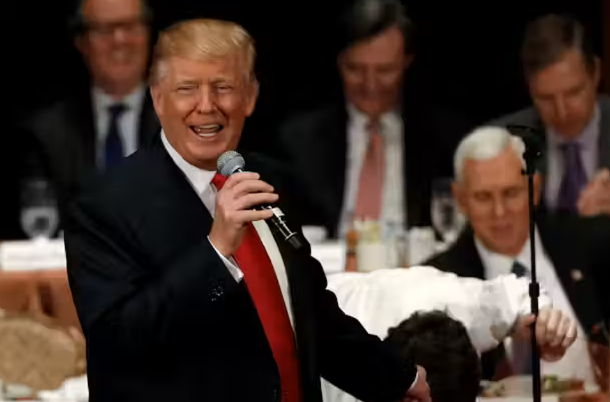
On Fox News, Sean Hannity claimed Kimmel’s program had devolved into little more than anti-Trump rhetoric, suggesting his suspension was the result of poor performance rather than political pressure.
Former Fox host Megyn Kelly called Kimmel’s remarks a “vile disgusting lie” and celebrated the suspension, writing: “In short, GOOD RIDDANCE.”
Right-wing commentator Matt Walsh echoed the sentiment, insisting Kimmel “deserves to be fired” for spreading falsehoods about Kirk’s death.
Interestingly, not all conservative figures labeled the move as “cancel culture.” Dave Portnoy, founder of Barstool Sports, offered a different perspective:
“When a person says something that a ton of people find offensive, rude, dumb in real time and then that person is punished for it, that’s not cancel culture. That is consequences for your actions.”
Was Kimmel Taken Out of Context?
Supporters argue that Kimmel’s comments were misinterpreted. Brett Meiselas, cofounder of MeidasTouch, clarified that Kimmel wasn’t directly accusing the alleged shooter of being a Trump supporter. Instead, he was criticizing the political response, claiming that MAGA figures rushed to point fingers elsewhere rather than focusing on truth and justice.
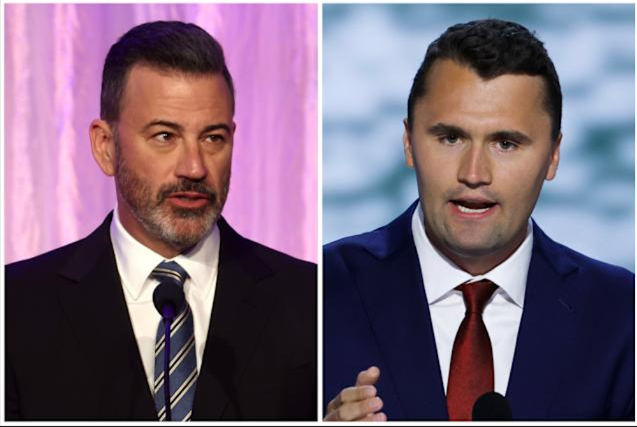
In fact, just days before, on September 10, Kimmel had publicly expressed sympathy for Kirk’s family. On Instagram, he wrote: “Instead of the angry finger-pointing, can we just for one day agree that it is horrible and monstrous to shoot another human?”
This context has fueled claims that the suspension was more about silencing a vocal critic of Trump than addressing harmful speech.
The Larger Question: Free Speech or Accountability?
The Jimmy Kimmel suspension highlights the growing tension in American culture between freedom of expression and accountability for public figures.
- Supporters argue that his comments fall under satire and free speech, a cornerstone of late-night television.
- Critics insist that media personalities must be held accountable for spreading what they view as misinformation or slander.
What makes this case particularly significant is the involvement of government officials, media corporations, and industry unions—all of whom bring unique power and influence. The entertainment industry, often a battleground for cultural politics, now finds itself forced to confront whether Kimmel’s suspension represents censorship, accountability, or both.
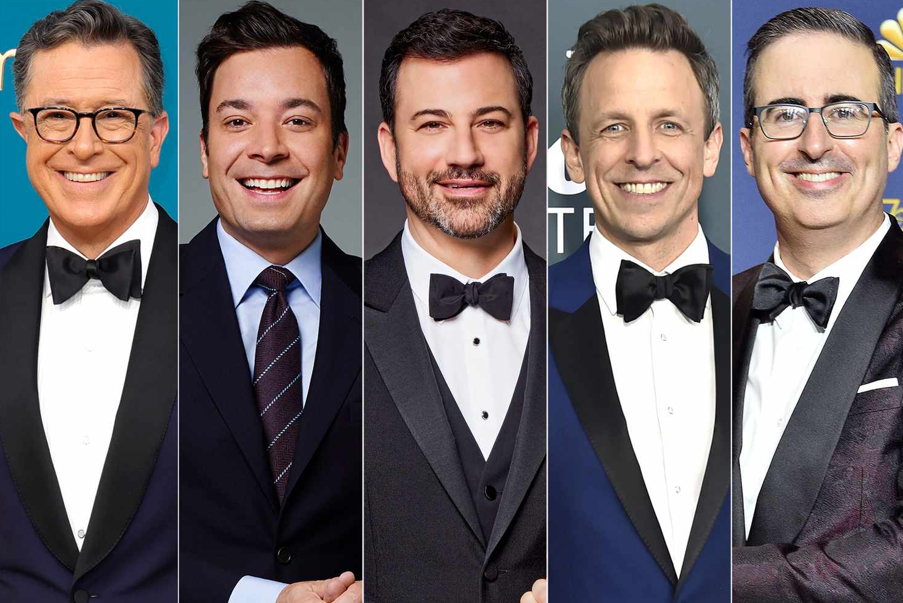
As of now, Kimmel’s fellow late-night hosts—Stephen Colbert, Seth Meyers, and Jimmy Fallon—have not commented on the situation. Many are waiting to see whether they will break their silence, potentially shaping how this debate unfolds.
Conclusion
Jimmy Kimmel’s suspension is more than just a media story—it’s a reflection of America’s larger cultural and political conflict. Whether this moment is remembered as a victory for accountability or a dangerous act of censorship will depend on how audiences, networks, and fellow entertainers respond in the coming weeks.
For now, one thing is clear: late-night television has become yet another frontline in the ongoing battle over free speech, politics, and the role of comedy in shaping national dialogue.