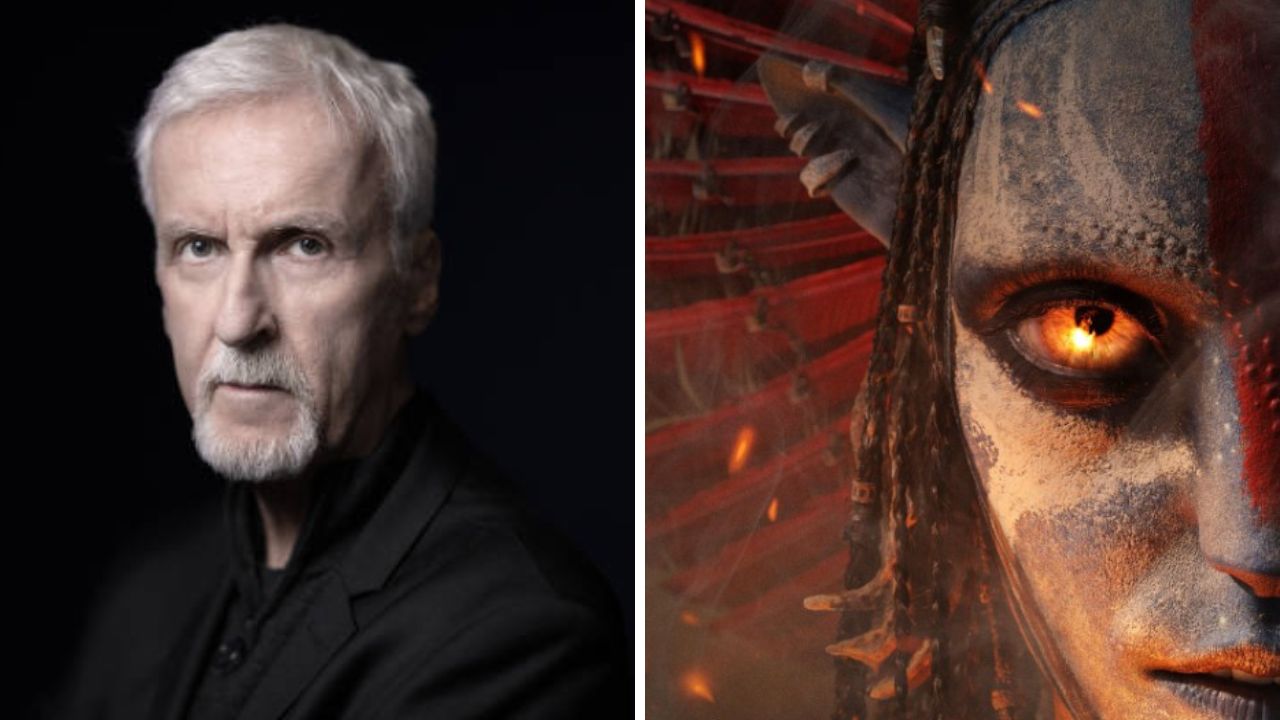
The movie industry is in a strange place right now. Even the biggest blockbusters — once considered guaranteed money-makers — are struggling to reach the same heights they once did. Theatrical attendance has dropped, mid-budget films have nearly vanished from cinemas, and studios are now more cautious than ever before. But one franchise that seemed immune to these changes was Avatar.
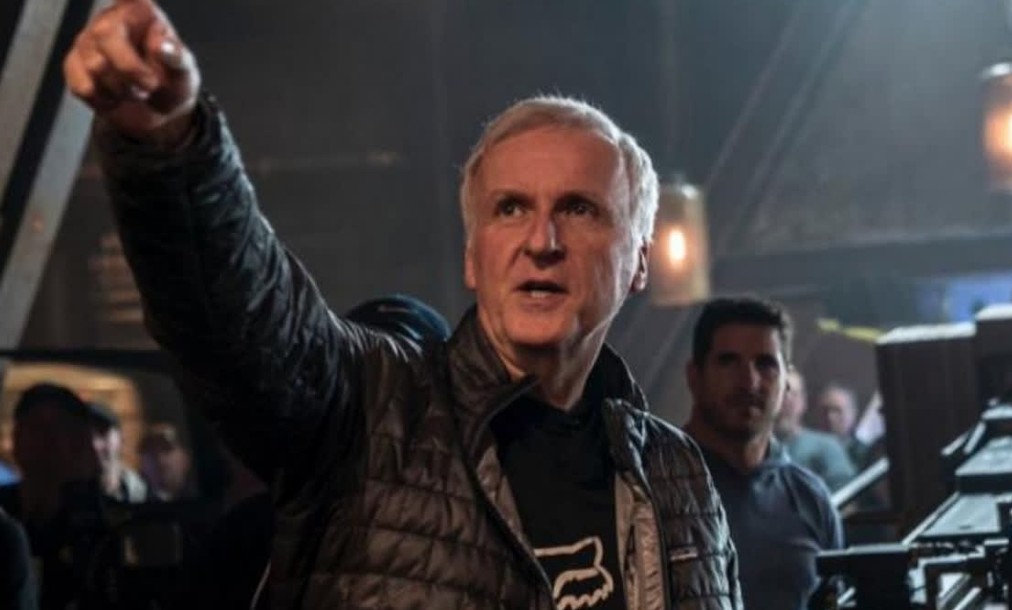
James Cameron’s Avatar: The Way of Water proved that audiences still had a deep fascination with Pandora’s world. The movie became a massive global hit, earning more than $2 billion and cementing its place among the highest-grossing films of all time. Naturally, fans assumed the next installment, Avatar: Fire and Ash, would follow the same path — paving the way for Avatar 4 and Avatar 5 soon after.
However, in a recent interview, Cameron surprised everyone with an unexpected revelation — one that casts doubt on the certainty of the franchise’s future.
“It All Depends on Avatar 3’s Success”
Cameron revealed that while Avatar 3 is complete, the continuation of the saga isn’t guaranteed. The director stated that the fate of Avatar 4 and 5 hinges heavily on the performance of Avatar: Fire and Ash at the box office.
“There are others that I may or may not direct,” Cameron said. “The big swing in all of this is — do we make any money with Avatar 3? We’ll make some money, but the question is, what kind of profit margin, if any, will there be? How much incentive will there be to continue in this universe? Maybe we wait a while until we figure out how to bring costs down.”
Cameron went on to emphasize how production costs have spiraled, especially in the realm of visual effects. He expressed concern that rising budgets might make it harder for filmmakers like him to create large-scale movies that push creative and technological boundaries.
The Rising Cost of Blockbusters
Cameron’s concern is not unfounded. Over the last decade, the cost of making a Hollywood blockbuster has skyrocketed. Massive CGI-heavy productions often cost hundreds of millions of dollars, and every delay, reshoot, or special effect adds to that budget.
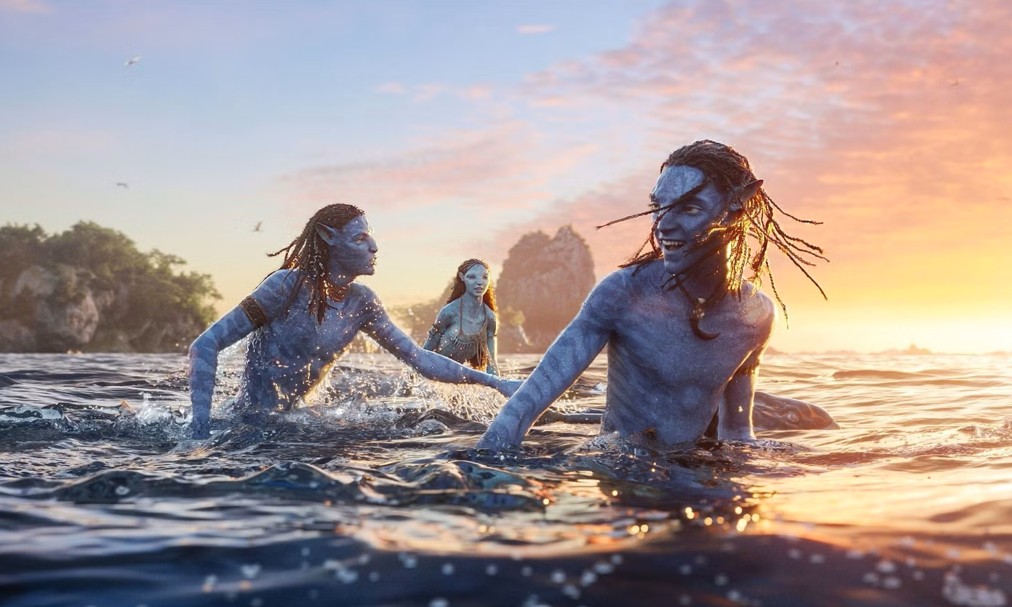
To put things in perspective, Avatar: The Way of Water reportedly cost around $400–$500 million to make. However, it’s important to note that this figure also included the simultaneous production of Avatar 3. By filming both movies together, Cameron aimed to reduce future expenses — a strategy that ultimately worked in his favor when The Way of Water became a global phenomenon.
Still, as Cameron pointed out, the profit margin matters. Making billions at the box office doesn’t always mean massive profit after marketing, theater splits, and production costs are accounted for.
Could the Next Sequels Be Delayed?
What’s truly surprising is Cameron’s openness to the idea of pausing the franchise after Avatar 3. He suggested that if the third film underperforms, production on Avatar 4 and 5 could be postponed indefinitely until the economics make more sense.
“There’s an argument for taking a pause and figuring things out,” Cameron explained. “There’s also an argument for doing a smaller, more personal film in the meantime while we sort that out. Or, in the case of wild success, there’s an argument for just going straight into Avatar 4 and 5.”
The director added that there’s even a possibility of him stepping back from directing duties if the wait becomes too long, especially considering the long timelines between films and his age.
James Cameron’s Other Creative Interests
Interestingly, Cameron has other projects on his radar that could fill the gap if Avatar takes a break. He’s already attached to write and direct “Ghosts of Hiroshima”, an ambitious adaptation exploring the aftermath of the atomic bombing in Japan.
Cameron has long expressed a desire to explore more human, emotional stories outside of big sci-fi epics. However, the Avatar universe has been his primary focus for nearly two decades, and shifting gears now could mark a major change in his career trajectory.
Can Avatar 3 Match the Success of Its Predecessor?
Avatar 2 had an advantage that Avatar 3 may not — anticipation. The sequel arrived 13 years after the original, creating a wave of nostalgia and curiosity. Fans had waited over a decade to return to Pandora, and the excitement was unmatched.
With Avatar 3 arriving relatively soon after, the question is whether that same level of enthusiasm can be sustained. If audiences don’t flock to theaters in similar numbers, the financial outlook for the next two movies could be uncertain.
That said, Cameron’s reputation for innovation shouldn’t be underestimated. Each Avatar film has pushed cinematic technology forward — from revolutionary 3D visuals in 2009 to cutting-edge underwater motion capture in 2022. Avatar 3 promises to introduce new tribes, new ecosystems, and darker storylines, which could reignite public interest once again.
Why Cameron’s Concerns Reflect a Larger Hollywood Problem
The director’s comments highlight a broader issue in the movie business: the increasing risk of big-budget filmmaking. While audiences still crave spectacle, the costs of producing those spectacles are climbing faster than profits.

Even Marvel and DC films, once considered surefire hits, have seen diminishing returns. Streaming, shorter attention spans, and global economic uncertainty have all contributed to the decline in traditional box office success.
Cameron’s cautious tone suggests that even one of Hollywood’s most successful directors feels the pressure of modern-day economics — a striking reminder of how unpredictable the industry has become.
What Could the Future Hold?
If Avatar 3: Fire and Ash performs well, Cameron will likely move full steam ahead with Avatar 4 and 5, continuing the saga through Jake Sully’s lineage and expanding the mythology of Pandora.

But if the movie underperforms, we might see a temporary halt while the production team reevaluates strategies — possibly even exploring more cost-efficient filmmaking techniques or focusing on streaming-based spin-offs in the Avatar universe.
Either way, Cameron’s openness about the uncertainty is refreshing. It shows that even at the top of his game, he’s not driven by ego — but by realism and the desire to create something meaningful without compromising artistic integrity.