
Gwyneth Paltrow has revealed that her highly publicized divorce from Coldplay frontman Chris Martin had unexpected and painful consequences for her Hollywood career. In a candid new conversation, the Oscar-winning actress shared that she was fired from a major film project in the aftermath of the couple’s much-discussed “conscious uncoupling,” describing the experience as deeply unfair and emotionally draining.
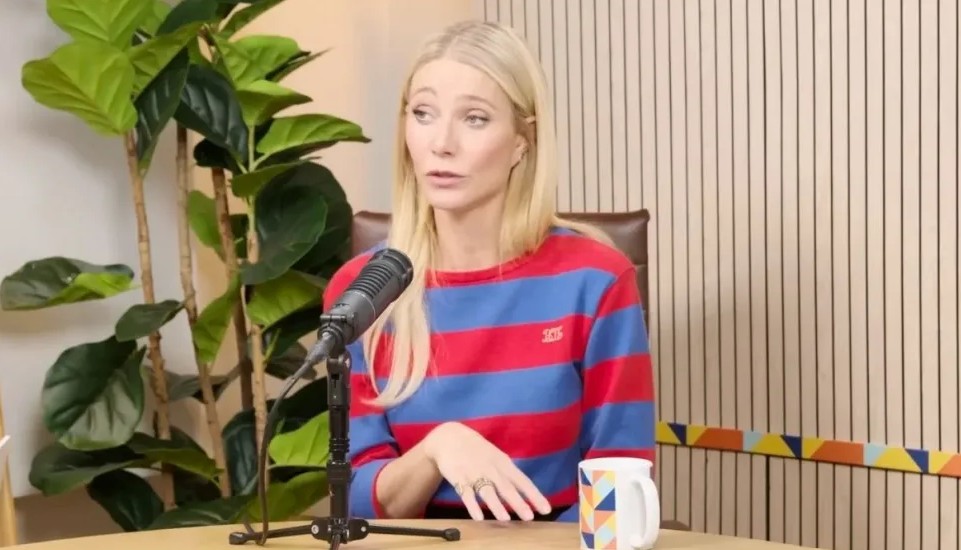
Paltrow, who rose to international fame after winning an Academy Award for Shakespeare in Love, opened up about the incident during a recent appearance on Amy Poehler’s podcast, where the two actresses discussed fame, public perception, and the personal cost of being ahead of cultural conversations.
A Divorce That Went Far Beyond the Personal
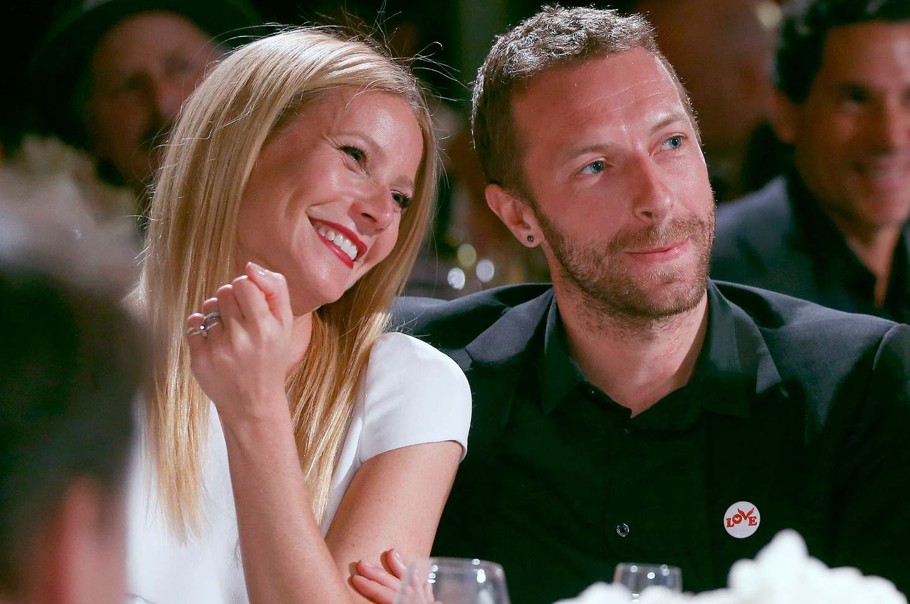
Gwyneth Paltrow and Chris Martin announced their separation in 2014, after ten years of marriage. Rather than framing their split in traditional terms, the former couple introduced the phrase “conscious uncoupling”, explaining that they were intentionally trying to end their marriage with care, respect, and mutual understanding—especially for the sake of their children.
At the time, the term sparked intense public reaction. It was mocked online, debated in opinion columns, and quickly became part of pop culture discourse. While some praised the idea as emotionally mature, others interpreted it as elitist, out of touch, or dismissive of the pain that often accompanies divorce.
According to Paltrow, the backlash didn’t stop at headlines—it followed her into professional spaces as well.
“I Got Fired”: Career Fallout After the Headlines
During the podcast conversation, Paltrow revealed that she was slated to star in a film shortly after the public announcement of her separation from Martin. However, as media scrutiny intensified, the project quietly fell apart.
“I was supposed to do a movie,” Paltrow shared, explaining that the timing coincided directly with the peak of the “conscious uncoupling” controversy. She said the negative press surrounding her personal life appeared to make the project’s backers uneasy.
According to Paltrow, the distributor ultimately decided the situation was too risky. The concern, she suggested, was not about her talent or professionalism, but about the media attention surrounding her name at that moment.
The actress did not identify the film or distributor, but the experience left a lasting impression.
“Too Hot to Touch”: Hollywood’s Risk Aversion
Amy Poehler reacted to Paltrow’s story with curiosity, noting how often studios prioritize avoiding controversy over supporting artists through personal challenges. Poehler speculated that decision-makers likely felt they “didn’t need the heat.”
Paltrow responded with dry humor, summarizing the moment bluntly: she was navigating a divorce and simultaneously lost a major job. While she laughed during the exchange, the underlying message was clear—Hollywood can be unforgiving, especially when public opinion turns sharply negative.
The incident highlights how personal narratives, particularly those involving women, can quickly become professional liabilities in an industry that claims to celebrate vulnerability and authenticity.
Being “Ahead of Her Time”
Poehler suggested that Paltrow may have simply been ahead of cultural norms. Today, concepts like amicable separation, co-parenting, and emotional accountability are more widely discussed and accepted. But in 2014, the idea that divorce could be approached intentionally rather than adversarially was unfamiliar—and threatening—to many.
Paltrow agreed, acknowledging that the term struck a nerve because it challenged deeply ingrained experiences. For people who had lived through painful divorces, the suggestion that separation could be handled differently may have felt like a judgment on their own past.
She emphasized that the phrase was never meant to invalidate anyone else’s pain, but rather to offer a framework for doing the best possible job under difficult circumstances.
Why the Term Sparked Such a Strong Reaction
Reflecting on the backlash nearly 12 years later, Paltrow offered a thoughtful explanation for why “conscious uncoupling” became so polarizing. She suggested that when people hear a new idea that contrasts with their lived experience, it can feel like a personal critique—even when it isn’t intended that way.
For some, the phrase implied that past divorces were handled “wrong,” a conclusion Paltrow insists was never her goal. Instead, she and Martin were simply trying to navigate their separation with honesty and care.
The intensity of the reaction, she noted, revealed just how personal the topic of divorce is for many people.
Life After Divorce: A Modern Family Dynamic
Despite the initial backlash, Paltrow and Martin have continued to demonstrate what a cooperative post-divorce relationship can look like. The former couple finalized their divorce in 2016 and share two children, Apple and Moses.
Over the years, they have publicly supported one another, attended family events together, and spoken openly about prioritizing their children’s well-being. Paltrow has even shared warm social media messages celebrating Martin’s milestones, reinforcing the idea that separation does not have to mean hostility.
In March 2025, she posted a heartfelt birthday message for Martin, thanking him for the family they built together—a gesture that was widely praised by fans.
A Candid Look at Fame, Risk, and Resilience
Paltrow’s revelation sheds light on the fragile balance between public image and professional opportunity in Hollywood. While stars are often encouraged to be “authentic,” the reality is that authenticity can come at a cost—especially when it challenges cultural expectations.
Her story also reframes the “conscious uncoupling” narrative, moving it beyond a viral buzzword and into a broader conversation about how society reacts to women who redefine norms.
Years later, Paltrow appears at peace with the experience, viewing it as both a painful lesson and a sign that cultural change often comes with resistance.