With multiple high-profile films lined up for the coming years, it’s hard to imagine a time when Dwayne Johnson was anything less than a global movie star. Today, he’s one of Hollywood’s most bankable names, effortlessly shifting between action spectacles, family blockbusters, and even dramatic roles. But long before the box office dominance, Johnson’s journey into acting began with uncertainty, physical discomfort, and a moment of clarity he still remembers vividly.
As he marks 25 years in the film industry, Johnson recently reflected on his very first day as a professional actor — a day that was anything but glamorous.
From Wrestling Ring to Film Set
Before Hollywood came calling, Dwayne Johnson was already famous — just not as an actor. Known worldwide as “The Rock,” he built his reputation in professional wrestling, becoming one of WWE’s biggest superstars. His charisma, physical presence, and natural showmanship made him a fan favorite, but transitioning from wrestling to acting was still a massive leap of faith.
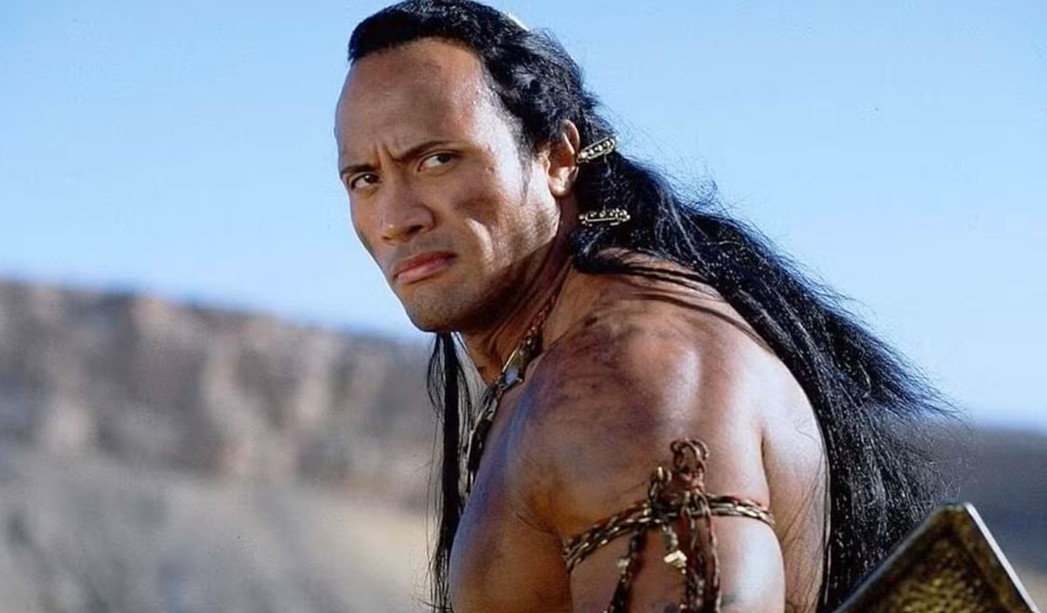
In 2001, Johnson landed his first-ever film role as the Scorpion King in The Mummy Returns. It was a high-profile debut, placing him in a major franchise alongside established actors. But despite the opportunity, Johnson was still very much a newcomer, stepping into an unfamiliar world.
A Brutal First Day in the Desert
Johnson’s first day on set was filmed under extreme conditions. Production took place in desert locations, with temperatures soaring well past 100 degrees. For someone new to film sets, the environment alone was intimidating. Unfortunately, that wasn’t the worst part.
Johnson has recalled that he fell seriously ill almost immediately after arriving. Whether it was food, travel, or the harsh climate, his body reacted badly. While the heat was unbearable, he found himself freezing, wrapped in blankets, struggling through waves of sickness.
For most people, a first day like that would have been enough to spark doubt. But for Johnson, something unexpected happened.
Learning on the Fly
At the time, Johnson had never acted professionally before. He didn’t come from theater training or years of auditions. This was his first real test, and he knew all eyes were on him.
When the director checked on him, Johnson did what many determined newcomers would do — he said he was fine, even though he clearly wasn’t. When the cameras rolled and the director called “Action,” Johnson stepped into the scene, focusing through the discomfort.
Then came the moment that changed everything.
When the director finally called “Cut,” Johnson realized something profound. Despite the pain, exhaustion, and nerves, he felt completely at home.
In that instant, he knew this was what he wanted to do for the rest of his life.
A Career Decision Made Under Pressure
That realization didn’t come in comfort — it came in survival mode. Johnson was dehydrated, sick, and working under punishing conditions, yet he felt energized rather than discouraged. For him, that moment validated the difficult decision to step away from wrestling and pursue acting seriously.
The experience also taught him something valuable early on: filmmaking is demanding, unpredictable, and often uncomfortable — but deeply rewarding for those who love it.
Despite his illness, Johnson pushed through, completing his scenes and proving he could handle the pressures of a major production.
Gratitude for a Crucial Opportunity
Looking back, Johnson has repeatedly expressed gratitude to those who took a chance on him. One of the most important figures in that early stage of his career was Brendan Fraser, the star of The Mummy franchise.
Johnson has acknowledged that Fraser, already an established actor, could have easily resisted casting an untested wrestler in such a visible role. Instead, he welcomed Johnson warmly, helping him feel supported rather than judged.
That encouragement mattered. The film went on to become a massive success, earning hundreds of millions worldwide and introducing Johnson to global audiences as a legitimate movie star.
From Scorpion King to Leading Man
The success of The Mummy Returns led directly to Johnson’s first leading role in The Scorpion King, effectively launching his solo career. From there, he slowly but steadily expanded his range, moving from action-heavy roles to more comedic performances and eventually into dramatic territory.
Rather than overnight superstardom, Johnson’s rise was gradual. He worked relentlessly, improved his craft, and built trust with audiences over time.

Taking Risks Later in His Career
While Johnson is best known for action and blockbuster entertainment, he has continued to challenge himself creatively. In recent years, he stepped into a dramatic role portraying MMA fighter Mark Kerr, marking a sharp departure from his usual screen persona.
The film struggled commercially, but Johnson’s performance earned critical recognition and award-season attention. It was a reminder that even after decades of success, he remains willing to take risks — a trait that traces back to that very first day on set.
Looking Ahead to the Future
Today, Johnson’s career shows no signs of slowing down. With major releases lined up, including family-friendly adaptations and franchise continuations, he continues to balance commercial success with personal passion.
He has often said that acting gave him a sense of purpose beyond fame — a way to grow, challenge himself, and connect with audiences on a deeper level.
And it all started with one miserable, unforgettable day in the desert.
Final Thoughts
Dwayne Johnson’s story is proof that life-changing moments don’t always come wrapped in comfort or certainty. Sometimes, they arrive when you’re exhausted, sick, and questioning yourself.
His first day filming The Mummy Returns could have been a disaster. Instead, it became the foundation of one of Hollywood’s most enduring careers.
Twenty-five years later, Johnson still remembers that moment clearly — not because of how bad he felt physically, but because of how right it felt emotionally.