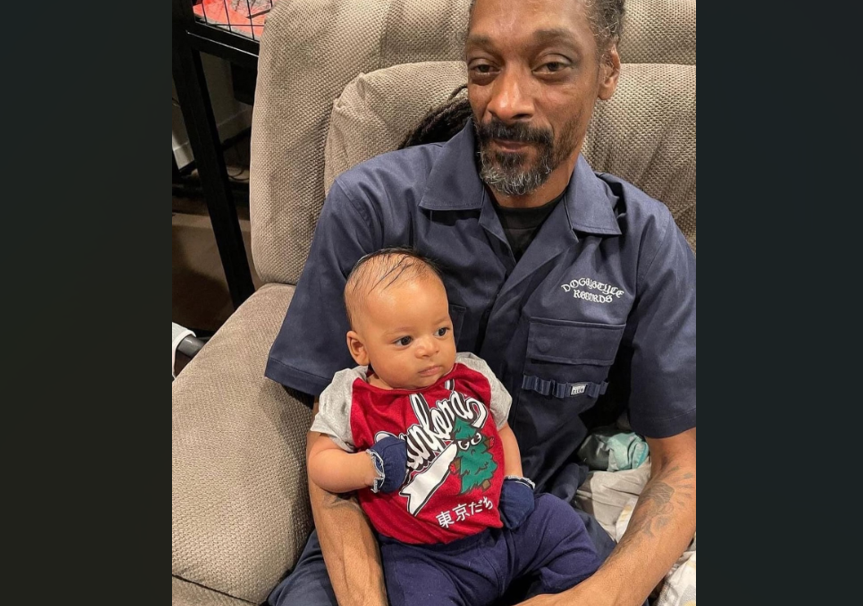
Hip-hop legend Snoop Dogg recently sparked a heated cultural debate after sharing his experience of watching Pixar’s animated film Lightyear with his grandson. The rapper admitted he was caught off guard when his young grandson asked him how two women in the film could have a baby. The moment left Snoop unprepared and uncomfortable, prompting him to voice his concerns about whether certain themes should be included in children’s films.
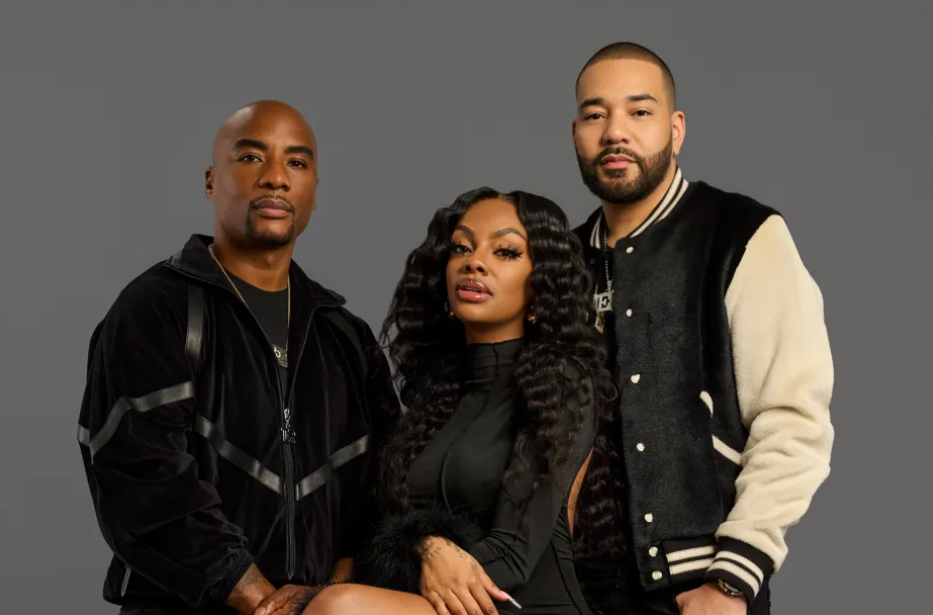
While his comments received backlash from some progressive voices online, Snoop found strong support from the hosts of the nationally syndicated radio show and podcast, The Breakfast Club. Charlamagne tha God, DJ Envy, and Jess Hilarious publicly backed him, arguing that parents should not be forced into explaining complex subjects to children during what is supposed to be lighthearted family entertainment.
Snoop Dogg’s Initial Comments
Speaking on Sarah Fontenot’s podcast It’s Giving, Snoop shared how the Lightyear experience quickly shifted from a fun family outing to an unexpectedly difficult conversation.
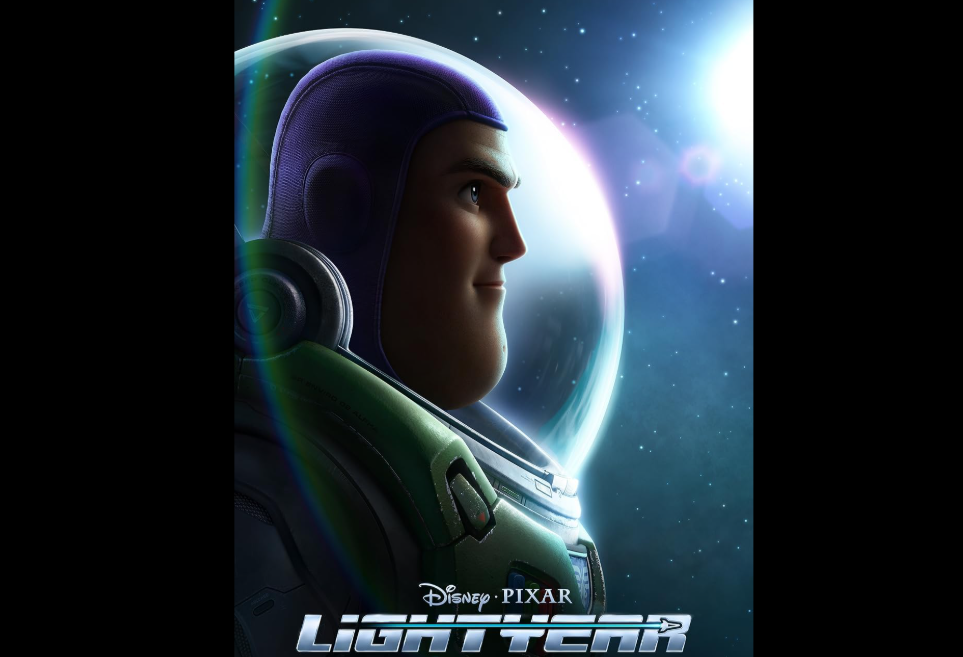
The movie, released in 2022, includes a lesbian couple raising a child together—a representation that made headlines at the time for breaking ground in Disney and Pixar animation. While the moment was celebrated by many as progress, it also created challenges for some parents and grandparents.
“I’m scared to go to the movies,” Snoop confessed. “Y’all throwing me in the middle of stuff that I don’t have an answer for. It threw me for a loop.”
The rapper explained that he went into the movie just to relax with his grandson but instead found himself fielding questions he wasn’t ready to answer: “These are kids. They’re going to ask questions. I didn’t have an answer. I just wanted to watch the movie.”
His candid honesty went viral, quickly drawing both support and criticism across social media.
The Breakfast Club Steps In
When the topic hit The Breakfast Club, the hosts were quick to defend Snoop. They argued that his reaction wasn’t rooted in hate but in the reality of parenting and grandparenting.
Jess Hilarious: Take Time, Answer Later
Co-host Jess Hilarious said she understood Snoop’s point completely. She explained that parents shouldn’t feel pressured to give a complicated answer in the middle of a movie theater.
“I wouldn’t have explained right then and there,” she said. “But if my kid had a question, I would tell him, ‘We know two women can’t make a baby. Two men can’t make a baby. But these days things are different.’”
Her perspective highlighted that while conversations about LGBTQ+ families are important, parents should have the freedom to choose the time and place to address them.
DJ Envy: Let Kids Just Be Kids
DJ Envy echoed Snoop’s concerns, stressing that children’s movies should not force premature conversations about sex or relationships—heterosexual or homosexual.
“I’m with Snoop,” Envy said. “I don’t want to explain this to my three-year-old, my six-year-old, my seven-year-old. And not just gay or straight—any of it. If we’re watching a fun cartoon in space, that’s what I want my kid focused on.”
Envy went even further, saying he would avoid movies that include relationship themes if they make him uncomfortable as a parent. “I just want my kids to enjoy movies and have fun,” he said.
Charlamagne tha God: Use This as a Teachable Moment
Charlamagne also defended Snoop, pointing out that critics were unfairly attacking him instead of seeing the bigger picture.
“I’m just trying to watch a movie,” Charlamagne said. “Now I’ve got to Google this later and explain adoption or surrogacy to my kids. That’s not a question I want to answer while I’m sitting in a children’s movie.”
He went on to argue that the backlash against Snoop was an example of how society often rushes to “cancel” someone for expressing a genuine feeling.
“Instead of tearing somebody down, how about using this moment to teach?” he asked. “Everybody jumping to outrage is part of the problem.”
The Broader Lightyear Debate
The Lightyear film was already controversial long before Snoop’s comments. Upon its release in 2022, it was banned in several countries for including a same-sex kiss. Pixar initially removed the kiss but reinstated it after pushback from employees.
Actor Chris Evans, who voiced Buzz Lightyear, defended the inclusion, dismissing critics as outdated: “Those people are dinosaurs. The goal is to march forward and embrace the growth that makes us human.”
For some, Lightyear represented progress in mainstream media representation. For others, it raised questions about whether such topics should be placed in children’s films without warning parents.
Parents Caught in the Middle
The discussion around Snoop Dogg’s comments and The Breakfast Club’s defense highlights a larger issue: parenting in the modern age of entertainment.
Children’s media has always reflected cultural shifts—whether introducing more diverse characters, tackling bullying, or addressing mental health. But LGBTQ+ representation is one of the most divisive topics, leaving parents unsure about how to navigate it.
Some argue that films should reflect the diversity of real families, helping children understand different perspectives from a young age. Others believe that these conversations should be introduced later, at home, when children are mature enough to grasp the concepts.
Why Snoop’s Words Resonated
Part of why Snoop’s words struck a chord is because they felt relatable. Many parents and grandparents have been caught off guard by their children’s questions while watching TV or movies. His honesty about being unprepared didn’t come across as rejection—it came across as vulnerability.
In a world where celebrities are often criticized for being overly polished or politically correct, Snoop’s raw take opened up space for a genuine discussion about parenting, representation, and the balance between progress and preparedness.
Conclusion
The debate over LGBTQ+ themes in children’s media isn’t going away anytime soon. Films like Lightyear are likely just the beginning of broader representation in mainstream family entertainment.
Snoop Dogg’s experience—and The Breakfast Club’s defense of him—shows that these conversations are complex. They involve cultural values, generational gaps, and the challenges of raising children in a rapidly changing world.
At the end of the day, the real takeaway may be that parents want the choice: the choice of when and how to introduce certain subjects, the choice of what their children watch, and the choice to handle sensitive questions on their own terms.