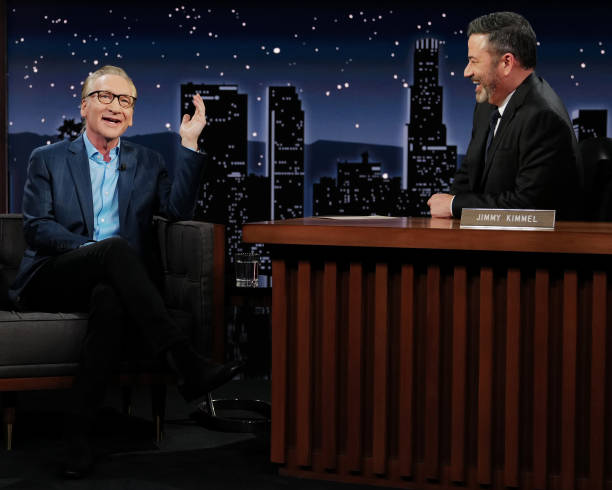
The world of late-night television has always thrived on sharp humor, bold opinions, and unapologetic commentary. But in today’s polarized climate, those very traits often land hosts in hot water. The latest storm centers around Jimmy Kimmel, whose late-night show was indefinitely preempted by ABC after his remarks about political activist Charlie Kirk’s alleged assassin sparked outrage. While debates rage over free speech and accountability, one fellow comedian and late-night veteran, Bill Maher, has stepped forward in strong support of Kimmel — while also drawing parallels to his own past controversy at the same network.
Bill Maher Opens His Show with Support for Kimmel
On the latest episode of Real Time with Bill Maher, Maher wasted no time addressing Kimmel’s situation right at the top of his monologue.
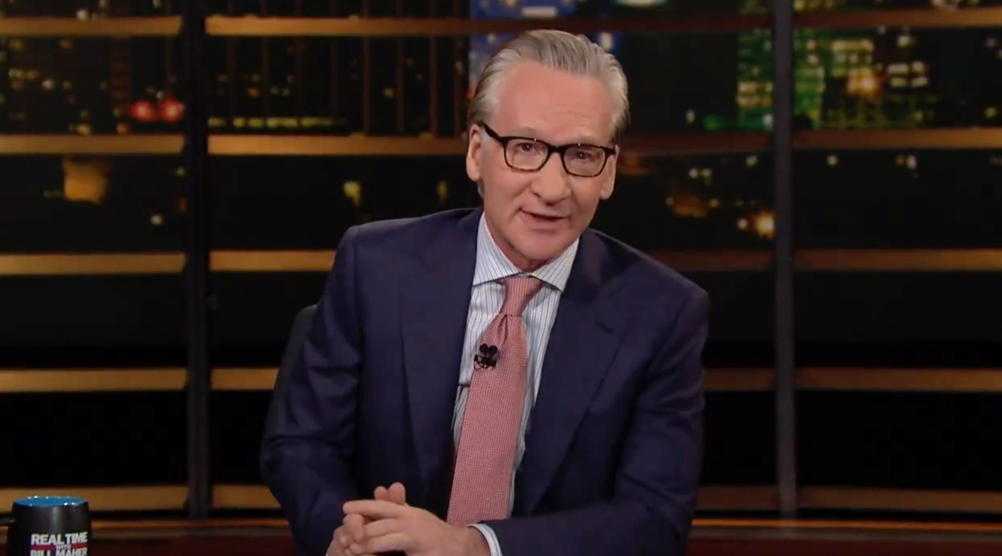
“Well, I guess you all heard Jimmy Kimmel, my friend, my compatriot, he’s canned by ABC for comments he made about Charlie Kirk’s assassin,” Maher said.
Maher didn’t stop there. He reminded viewers that just one day after Kimmel’s remarks, the head of the FCC threatened to revoke ABC’s license. “Let me just tell you something: I am not intimidated by the FCC,” Maher declared, before throwing in his signature humor, jokingly addressing Donald Trump with, “Have you lost weight?”
History Repeats Itself: Maher’s Own ABC Cancellation
Maher drew comparisons to his own career back in 2001 when he hosted Politically Incorrect on ABC. On that show, just days after the September 11 attacks, Maher stirred national controversy by pushing back against the idea that the hijackers were cowards.
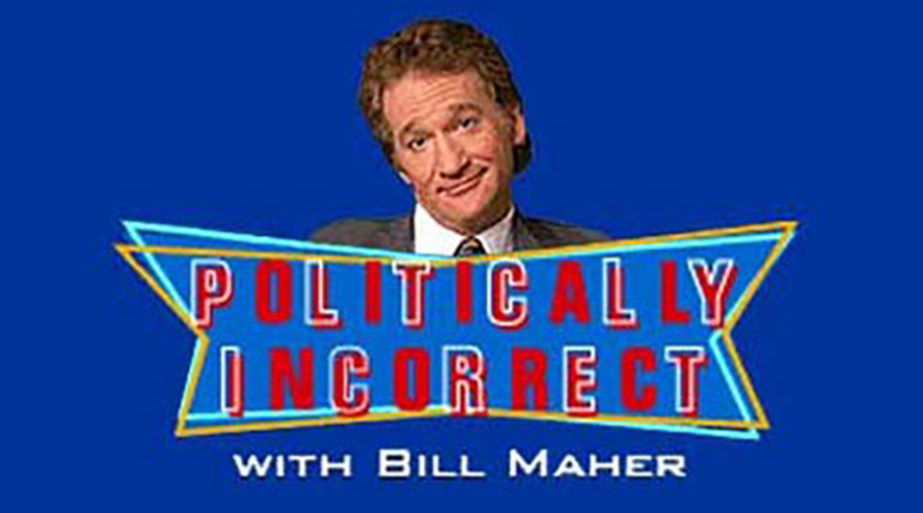
He had responded to a guest by saying, “We have been the cowards, lobbing cruise missiles from 2,000 miles away. That’s cowardly. Staying in the airplane when it hits the building, say what you want about it, it’s not cowardly.”
The remarks drew harsh criticism, though Maher later apologized. While ABC initially supported the program, the show was eventually canceled after the 2001–2002 season. Soon after, the network launched Jimmy Kimmel Live! in Maher’s late-night slot.
Reflecting on that now, Maher quipped:
“It was 24 years to the day that I made comments on ABC that got me canceled from that network, and Jimmy Kimmel took my slot at Politically Incorrect. Oh yes, I got canceled before cancel even had a culture. This isn’t new. ABC stands for ‘Always Be Caving.’”
Standing by Jimmy Kimmel
Despite not fully agreeing with Kimmel’s remarks, Maher firmly argued that suspension was too harsh a response.
“Jimmy, pal, I am with you, I support you, and on the bright side, you don’t have to pretend anymore that you like Disneyland,” Maher joked.
He added more heartfelt words later in the monologue:
“Jimmy, let me just say, you did a great, funny show for two decades. You should be proud of that. If this firing goes for you the way it did for me, you’ll get 23 years on a better network.”
His show of solidarity highlighted a growing debate in entertainment circles — should comedians lose their platforms over controversial jokes, or does free speech protect even offensive commentary?
The Broader Backlash Against Kimmel’s Suspension
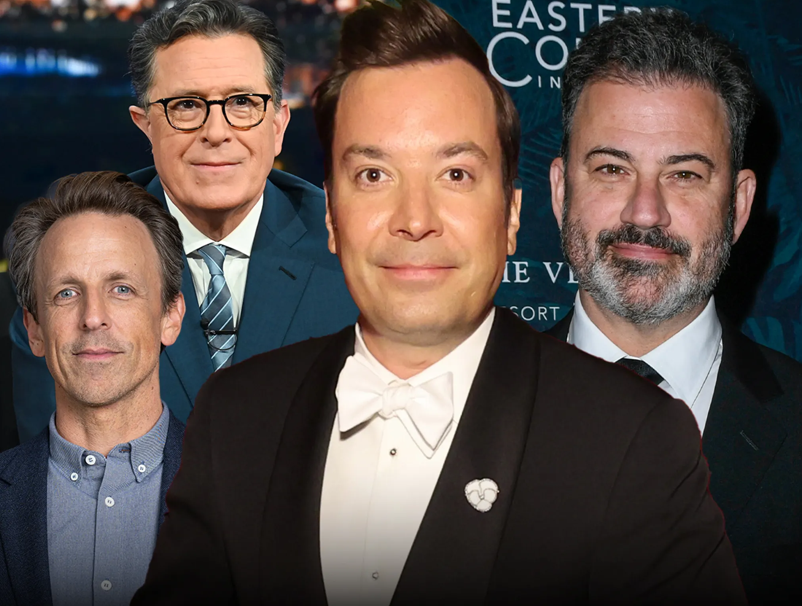
Maher wasn’t the only voice to rally behind Kimmel. Within days of ABC’s decision, several high-profile late-night hosts, including Stephen Colbert, Jimmy Fallon, and Seth Meyers, also defended him on air.
David Letterman also weighed in during a panel at the Atlantic Festival, calling Kimmel’s suspension “managed media” and criticizing networks for catering to political pressure. “You can’t go around firing somebody because you’re fearful or trying to suck up to an authoritarian criminal administration in the Oval Office. That’s just not how this works,” Letterman said.
The move to silence Kimmel sparked larger conversations about how much sway political figures and regulatory agencies should have over entertainment programming.
What Sparked the Suspension?
Kimmel’s troubles began when he addressed the shooting incident involving Charlie Kirk. Referring to the alleged shooter, Tyler Robinson, Kimmel accused certain political groups of trying to distance themselves while simultaneously exploiting the tragedy for points.
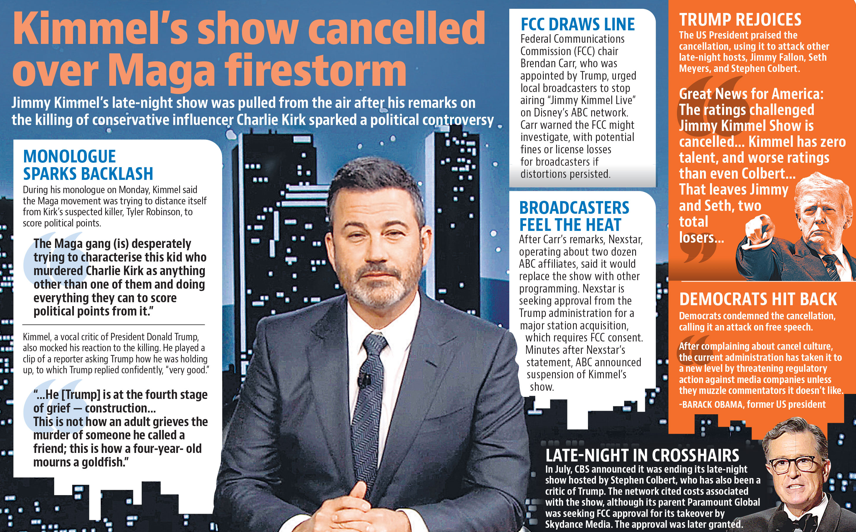
“We hit some new lows over the weekend with the MAGA gang desperately trying to characterize this kid who murdered Charlie Kirk as anything other than one of them and doing everything they can to score political points from it,” Kimmel said during his monologue.
These comments quickly drew fire from conservatives. Federal Communications Commission chair Brendan Carr even went on a podcast, urging affiliates to push back on ABC. Hours later, the network announced Kimmel’s suspension.
According to reports, Kimmel had actually planned to use his Wednesday night show to clarify his statements and explain how they were being misinterpreted. However, that episode was abruptly canceled, leaving the comedian unable to respond directly.
The Debate Over Free Speech
A central irony, as Maher pointed out during his panel discussion, lies in Charlie Kirk’s own words about free speech. Maher read aloud from one of Kirk’s past social media posts:
“Hate speech does not exist legally in America. There’s ugly speech. There’s gross speech. There’s evil speech. And all of it is protected by the First Amendment. Keep America free.”
Maher criticized those who demand respect for Kirk’s free speech while not extending the same principle to Kimmel. “Could you guys at least honor the person you’re insisting that we honor by honoring his words?” he asked.
This contradiction — defending free speech in theory but punishing it in practice — lies at the heart of the Kimmel debate.
The Silence from The View
Interestingly, Maher also called out The View panel for staying quiet about Kimmel’s suspension. “I gotta say, and I’m friendly with the ladies on The View, but they didn’t say anything about this week. Nothing,” Maher said. “It’s just an upbeat party show, that’s why they hired people named Joy and Sunny and Whoopi.”
He urged them to take stronger stances, adding humorously, “Girls, go out strong, OK? It won’t kill you.”
A Bigger Question for Late-Night TV
With Kimmel off-air indefinitely, the situation has sparked a broader conversation about the future of late-night comedy in a politically charged environment. Once spaces where edgy commentary thrived, late-night shows now face unprecedented scrutiny, with networks balancing ratings, political fallout, and advertiser pressure.
Maher’s reflections, paired with his unwavering defense of Kimmel, highlight a troubling trend: comedians may increasingly find their livelihoods threatened by the same powers they’re meant to satirize.
Conclusion
Bill Maher’s defense of Jimmy Kimmel is more than just one host standing up for another — it’s a reminder of how history tends to repeat itself in the world of media controversies. From Maher’s cancellation in 2001 to Kimmel’s suspension today, the questions remain the same: Where do we draw the line between free speech and accountability? And who gets to decide?
As public debate rages on, one thing is clear: this controversy has reignited the national conversation about the role of comedy, free speech, and political influence on television.