
Few names in American true-crime history evoke as much fascination and horror as Aileen Wuornos. Between 1989 and 1990, she murdered seven men across central Florida, a killing spree that shook the nation not only for its brutality but also because the perpetrator defied every stereotype of a serial killer.
Wuornos’ story has been retold countless times through books, films, television, and documentaries, but a new project seeks to reexamine her crimes nearly four decades later. The upcoming documentary Aileen: Queen of the Serial Killers, directed by Emily Turner, premieres on October 30 and promises to shed light on new details about her life, her psyche, and the world that shaped her.
Who Was Aileen Wuornos?
Born in 1956 in Rochester, Michigan, Aileen Wuornos had a deeply troubled childhood. Abandoned by her mother at a young age and raised by her grandparents, she experienced abuse, neglect, and rejection early on. By her teenage years, she was surviving through sex work and drifting across the country.
Her adult life spiraled into poverty, instability, and encounters with law enforcement. Wuornos’ crimes began in late 1989 and continued until mid-1990, when she murdered seven men who had picked her up while she was working as a sex worker along Florida’s highways.
Unlike most serial killers, Wuornos’ crimes were committed within a short span of time and involved victims she claimed had either assaulted her or attempted to do so. This element of “self-defense” became central to her trial and later to the cultural debate surrounding her case.
The Crimes That Shocked Florida
Wuornos’ victims were middle-aged men, most of them traveling alone on highways. Her method was typically shooting them at close range before robbing them and leaving their bodies in remote areas. The pattern caught the attention of authorities, who initially struggled to believe a woman could be responsible for such calculated killings.
Her arrest in January 1991 made headlines nationwide. The case challenged preconceived notions about gender and violence, forcing the public to confront the reality that women, too, could commit serial murders. Wuornos quickly became a polarizing figure—some saw her as a cold-blooded killer, while others believed she was a victim of lifelong abuse who had finally lashed out against a violent world.
Trial, Conviction, and Execution
Wuornos was convicted of six of the seven murders and sentenced to death. After spending more than a decade on Florida’s death row, she was executed by lethal injection on October 9, 2002.

Her execution was widely covered in the media, reigniting debates about justice, mental health, and the death penalty. Many questioned whether Wuornos was mentally competent at the time of her execution, pointing to her erratic behavior in prison interviews and her increasingly paranoid statements.
Cultural Legacy: From Monster to Myth
Aileen Wuornos’ story has lived on in popular culture for decades. The most notable adaptation is the 2003 film Monster, in which Charlize Theron portrayed Wuornos in a performance that won her the Academy Award for Best Actress.
Theron’s chilling yet humanizing portrayal brought Wuornos’ story to the mainstream, transforming her from a tabloid headline into a complex character whose life raised questions about abuse, poverty, and desperation. Beyond Monster, Wuornos has been the subject of numerous true-crime shows, documentaries, and books that attempt to understand her psychology and motivations.
What Sets Aileen: Queen of the Serial Killers Apart?
The upcoming documentary Aileen: Queen of the Serial Killers aims to go beyond the surface of Wuornos’ crimes. Directed by Emily Turner, the film is produced by the BBC Studios Documentary Unit in collaboration with NBC News Studios, ensuring both depth of research and compelling storytelling.
The documentary will feature:
- Rare Audio Interviews: Conversations with people who knew Wuornos personally, offering firsthand perspectives on her troubled past.
- Archival Footage: Including segments with late journalist Michele Gillen, who covered Wuornos extensively.
- Prison Interviews: Direct insights from Wuornos herself, revealing how she justified her crimes and how she viewed her own life in retrospect.
By combining these sources, the film intends to provide a more nuanced portrait of Wuornos—not as a one-dimensional villain, but as a human being shaped by trauma, violence, and circumstance.
Why the Story Still Matters Today
More than thirty years after Wuornos’ crimes, the fascination with her case has not diminished. True-crime enthusiasts, criminologists, and psychologists continue to analyze her actions for what they reveal about gender, violence, and the justice system.
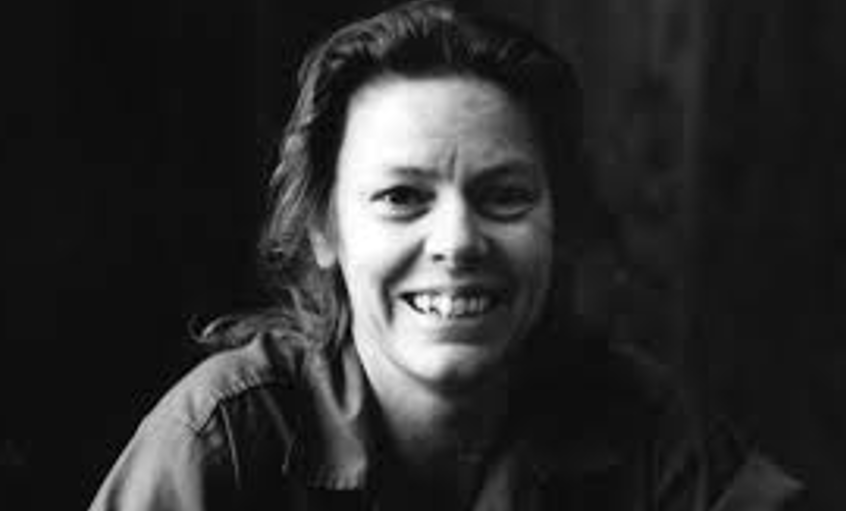
Her story forces society to grapple with uncomfortable questions:
- Was she purely a predator, or also a victim of systemic failure?
- Could her life have been different if she had received support earlier?
- What does her case teach us about mental illness and the cycle of abuse?
By revisiting Wuornos’ life, the documentary doesn’t just recount her crimes—it also invites viewers to reflect on broader issues like women’s roles in violent crime, the flaws of the legal system, and the human capacity for both survival and destruction.
Looking Ahead to the Premiere
With its October 30 release date, Aileen: Queen of the Serial Killers is expected to attract both longtime followers of Wuornos’ story and new audiences drawn by the growing popularity of true-crime documentaries.
As the premiere approaches, anticipation is building around what fresh details the film might reveal. Will it change how the public remembers Wuornos? Will it offer closure, or raise even more questions?
Regardless, one thing is certain: Aileen Wuornos’ story remains as haunting and thought-provoking as ever.