
Hollywood is often criticized for softening or glamorizing real-life stories. But with Benny Safdie’s The Smashing Machine, the opposite is true. The film dives deep into the remarkable yet turbulent life of Mark Kerr, a mixed martial arts pioneer whose battles inside the ring were only part of his story. Played by Dwayne Johnson, Kerr’s life is presented in all its triumphs and tragedies—addiction, depression, and broken relationships included.
The movie isn’t just about MMA glory—it’s about the raw human struggle that comes with fame, pain, and redemption. For Kerr, the most important part of the project was that his story wasn’t “sanitized.” He wanted audiences to see the highs and the devastating lows that defined his journey.
A Story About the Human Condition
Kerr himself has called The Smashing Machine “a story about the human condition—good, bad, and indifferent.” The project wasn’t designed to glorify or pity him but to paint a complete portrait.

Safdie, known for his unflinching storytelling style, deliberately framed Kerr’s life in uncomfortable scenes that make audiences feel like voyeurs to his darkest moments. Yet, Kerr fully supported this approach. He didn’t want an edited or polished version of his life; he wanted honesty.
Building Trust Between Filmmaker and Fighter
Initially, Kerr was hesitant. Social media scrutiny is harsher now than it was back when his life was first documented in a 2002 documentary of the same name. But conversations with Johnson and Safdie eased his worries.

Johnson told Kerr:
“I’m ready to do something completely different, and this is the vehicle I’m going to do it in.”
Meanwhile, Safdie shared his own struggles with Kerr, proving he wasn’t just a filmmaker exploiting a story but someone who understood pain. He told Kerr:
“I’m gonna tell you my life story, because you’re trusting me with yours.”
It was this openness that built trust. Kerr agreed to let the team portray him truthfully—even when it meant revisiting some of the darkest chapters of his past.
Emily Blunt and Dwayne Johnson: Channeling Mark and Dawn
The film doesn’t only focus on Kerr’s fighting—it also shines a light on his difficult relationship with Dawn Staples, played by Emily Blunt. Blunt emphasized how important it was for both her and Johnson to spend time with the real Kerr and Staples to capture the nuances of their personalities.
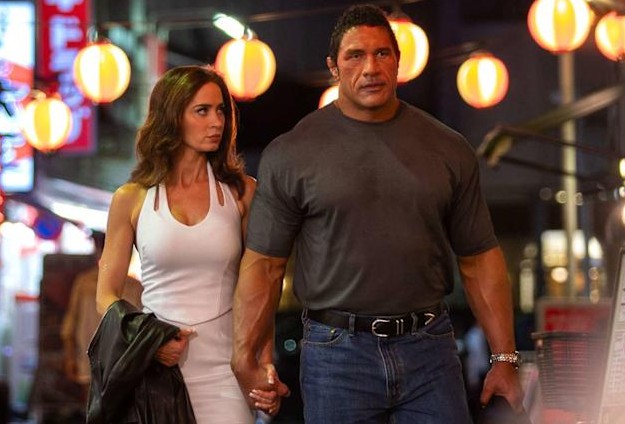
Blunt admitted she would be terrified to have a movie made about her most vulnerable years but praised Kerr’s willingness to be transparent:
“He really is tender at his core and self-reflective in a way that is pretty astonishing.”
For Johnson, preparing for the role wasn’t about perfecting MMA techniques—it was about understanding Kerr’s emotional state. Johnson explained that their conversations often revolved around loss—loss in the ring, loss in relationships, and loss of self.
Fighting, Addiction, and Shame
One of the most powerful themes of The Smashing Machine is how addiction shaped Kerr’s life. Johnson discovered that his opioid use wasn’t just about physical pain from fighting—it was tied to shame.

Safdie leaned into this element, refusing to gloss over it. He explained:
“There’s a lot of shame in addiction, and there’s a lot of shame in admitting and recovering from it. I didn’t want to sanitize it because Mark doesn’t sanitize it when he talks about his life.”
Kerr himself once told Safdie, “Don’t work my program,” a phrase Safdie immediately put into the script because it captured the struggle of recovery.
Brutal Honesty and Personal Realizations
Seeing his story on screen was a cathartic experience for Kerr. It allowed him to confront how selfish his fighting career made him and how harshly he had treated Dawn. He admitted that he was just “a boy who couldn’t figure out how to love her,” while she was “a girl who just wanted to be loved.”
This level of self-reflection has been therapeutic for Kerr. Watching the movie at its Venice premiere, he described it as “therapy with a thousand people in the room.”
A Different Kind of Risk for Dwayne Johnson
For Kerr, exposing his demons was nothing new—he had lived them. But for Johnson, taking on such a raw, vulnerable role was a career risk. Known for blockbuster action films, Johnson had to strip away his larger-than-life persona to portray Kerr authentically.
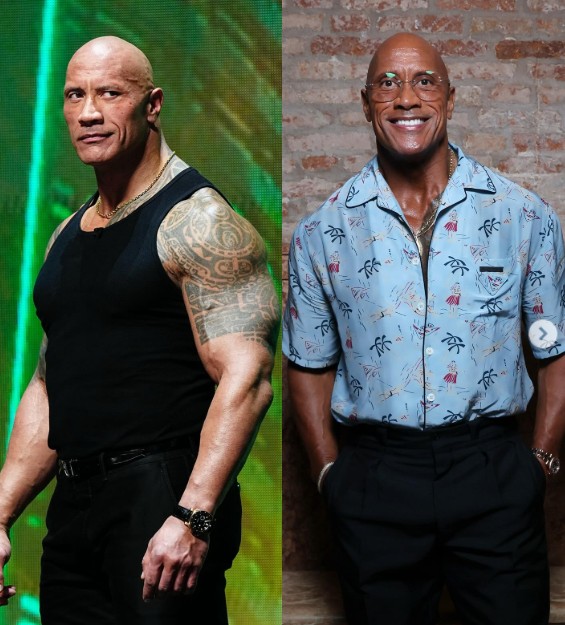
“Everybody perceives him in a certain way,” Kerr explained. “But in this film, you see him in a completely different light.”
Giving Kerr’s Life Cinematic Weight
Safdie wanted Kerr’s everyday life to feel just as grand as his fights. To do this, he used IMAX cameras, even for intimate scenes like Kerr shopping in a grocery store. It was a way of giving epic weight to ordinary moments, reminding audiences that Kerr’s life mattered long after the roar of the crowd faded.
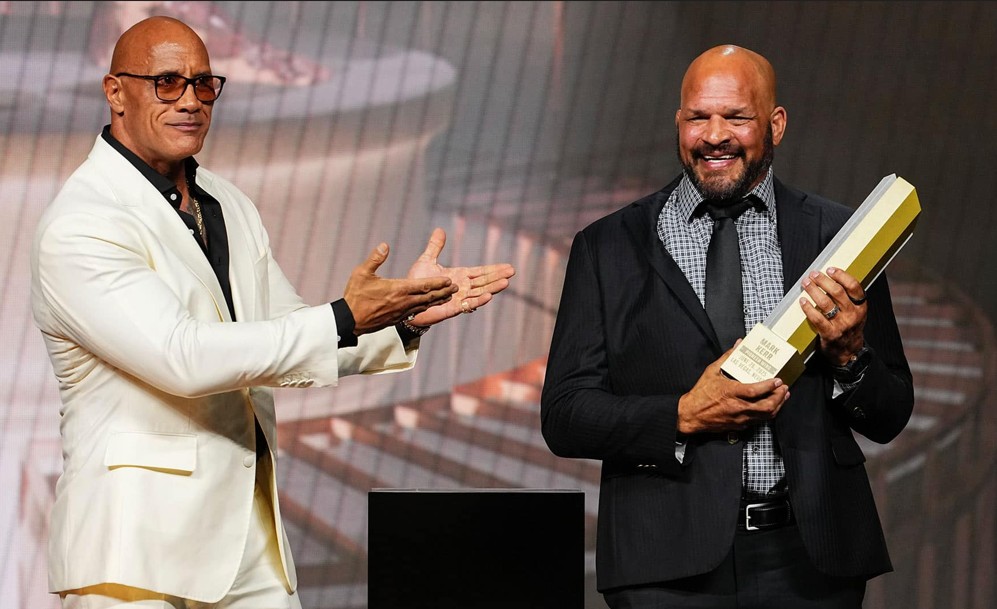
One of the most emotional choices Safdie made was ending the film with footage of the real Mark Kerr. After two hours of watching Johnson’s powerful performance, viewers see Kerr in his day-to-day life, grounding the story in reality.
Safdie explained his motivation:
“Mark once told me he felt discarded and forgotten. I didn’t want that for him. His name is Mark Kerr, and I want people to know who he is.”
Final Thoughts
The Smashing Machine is not just an MMA story—it’s a film about humanity, resilience, and confronting personal demons. By refusing to sanitize Kerr’s journey, Safdie, Johnson, and Blunt have created a film that is as raw as it is inspiring.
For Kerr, it was a chance to see his life from a new perspective, to release old guilt, and to embrace his present as a father and a man who has survived. For Johnson, it was an opportunity to step into uncharted territory as an actor. And for audiences, it’s a reminder that even heroes are human, carrying wounds that shape who they are.