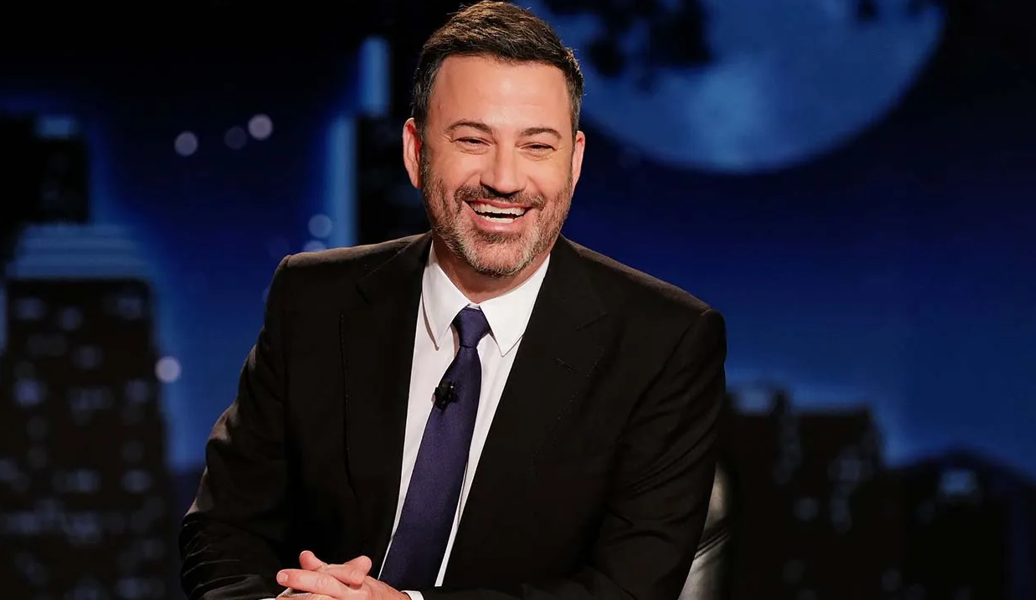
Jimmy Kimmel’s late-night show is officially returning to television after nearly a week of being pulled off the air. The announcement comes from ABC, which confirmed that the show will resume broadcasting on Tuesday. The return follows a turbulent week of heated debate, political fallout, celebrity backlash, and national conversations about free speech.
The decision to suspend the program came after Kimmel’s remarks about the tragic assassination of conservative activist Charlie Kirk sparked outrage across the political spectrum. While some criticized his comments as insensitive and poorly timed, others defended his right to free expression, arguing that pulling the show amounted to censorship.
Why the Show Was Suspended
Last Wednesday, ABC made the unexpected move to suspend production on Kimmel’s late-night program. The Walt Disney Company, which owns the network, explained in a statement that the suspension was intended to prevent further inflaming an already tense national atmosphere.
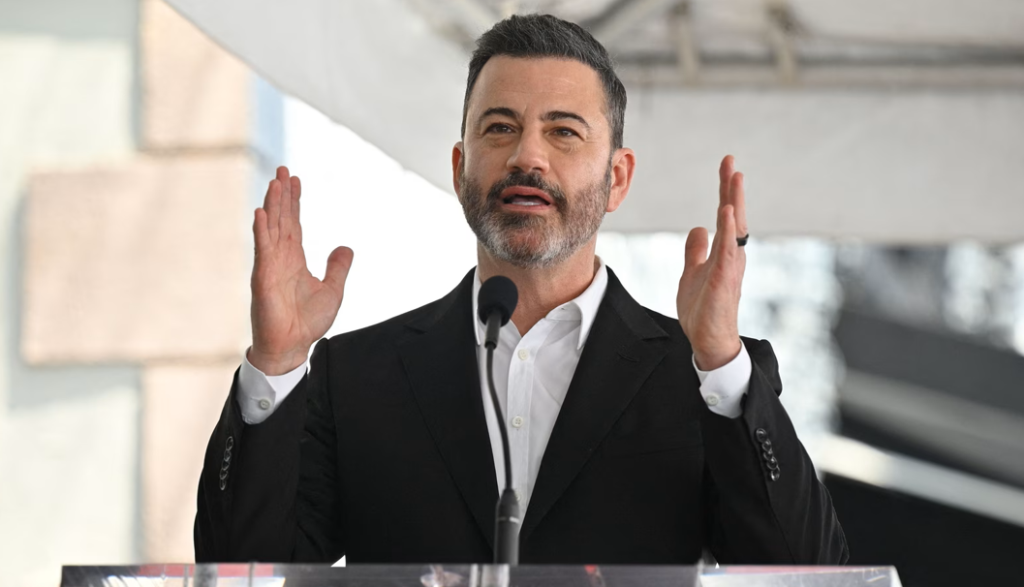
According to the company, “Last Wednesday, we made the decision to suspend production on the show to avoid further inflaming a tense situation at an emotional moment for our country. It is a decision we made because we felt some of the comments were ill-timed and thus insensitive.”
Disney added that the decision wasn’t made lightly. Executives spent several days in direct conversation with Kimmel before deciding to bring the show back. “We have spent the last days having thoughtful conversations with Jimmy, and after those conversations, we reached the decision to return the show on Tuesday.”
The Role of the FCC in the Controversy
One of the biggest turning points in the controversy came when Brendan Carr, Chair of the Federal Communications Commission (FCC), weighed in. Carr strongly condemned Kimmel’s remarks, going as far as to suggest that ABC’s affiliate licenses could be at risk if the host remained on air.
Carr described Kimmel’s comments in a podcast interview as “the sickest conduct possible.” This heightened the stakes, as the threat of FCC action put direct pressure on the network to take disciplinary measures.
Kimmel’s Remarks That Sparked the Firestorm
The controversy traces back to Kimmel’s monologue the Monday before the suspension. Known for his sharp critiques of the Trump administration, Kimmel turned his focus to what he described as the “MAGA gang.”
During his segment, Kimmel accused the movement of trying to spin the narrative around Charlie Kirk’s assassination, saying they were “desperately trying to characterize this kid who murdered Charlie Kirk as anything other than one of them and doing everything they can to score political points from it.”
This criticism, however, collided with details released by Utah authorities. Investigators stated that the accused shooter had begun leaning more left politically in recent months and had specifically targeted Kirk due to his political stance. This contradiction fueled both sides of the political divide, each claiming the narrative supported their version of events.
Backlash Against ABC’s Decision
The decision to suspend Kimmel’s show did not sit well with many in the entertainment industry. Unions, Hollywood stars, and prominent liberal lawmakers expressed their disapproval, arguing that the move was a dangerous concession to political pressure.
Former late-night host David Letterman was one of the most vocal critics. “You can’t go around firing somebody because you’re fearful or trying to suck up to an authoritarian, criminal administration in the Oval Office,” Letterman said, highlighting the risks of bowing to external political forces.
Adding to the momentum, the American Civil Liberties Union (ACLU) released an open letter condemning the suspension. Signed by more than 400 celebrities, the letter described Disney’s move as a “dark moment for freedom of speech in our nation.”
The letter stated, “We the people must never accept government threats to our freedom of speech. Efforts by leaders to pressure artists, journalists, and companies with retaliation for their speech strike at the heart of what it means to live in a free country.”
The Celebrity Support
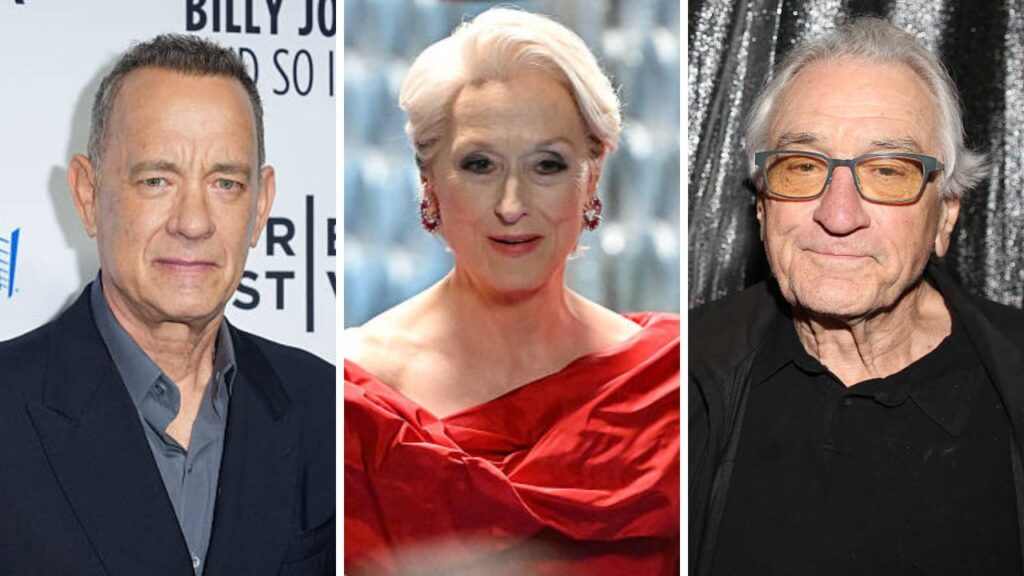
The list of signatories in support of Kimmel included some of Hollywood’s biggest names. Jennifer Aniston, Jason Bateman, Billy Crystal, Robert De Niro, Jane Fonda, Selena Gomez, Tom Hanks, Julia Louis-Dreyfus, Lin-Manuel Miranda, Joaquin Phoenix, Ben Stiller, Meryl Streep, and Kerry Washington were among those who lent their names to the cause.
This star-studded roster amplified the debate, ensuring it became a mainstream cultural issue rather than a niche political controversy. Their involvement framed the debate not just as about Jimmy Kimmel, but as part of the broader struggle to defend artistic and journalistic freedom.
The Political Dimension
While liberal circles largely rallied behind Kimmel, conservatives celebrated ABC’s decision to suspend the show. Some argued it was overdue accountability for what they viewed as repeated biased attacks on conservative figures.
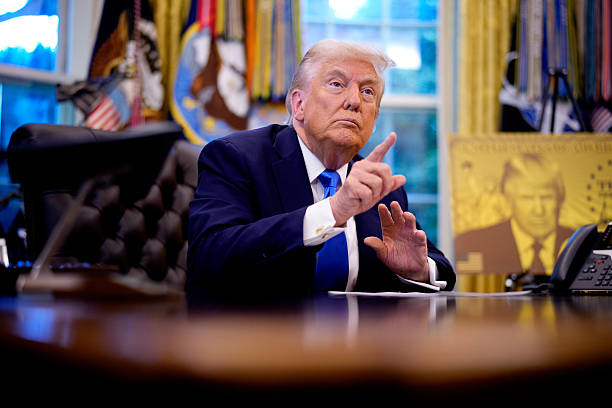
President Donald Trump himself weighed in, claiming that Kimmel was pulled from the air not because of censorship, but because of “bad ratings.” Trump accused the host of saying a “horrible thing about a great gentleman named Charlie Kirk.”
Vice President JD Vance joined in, mockingly suggesting that Secretary of State Marco Rubio could become “the new host of ABC’s late-night show.” The comments were seen as tongue-in-cheek but reinforced the divide over how entertainment intersects with politics.
Looking Ahead
As Jimmy Kimmel returns to television, questions remain about the long-term impact of the controversy. Will his ratings take a hit, or will the show gain new momentum thanks to the attention? Will ABC face more political threats in the future, and how will they balance creative freedom with corporate and regulatory pressures?
What’s clear is that this incident has ignited a broader conversation about free speech, political influence, and the role of entertainment in shaping national dialogue. For now, Kimmel is back, and all eyes will be on his Tuesday night monologue to see how he addresses the events of the past week.
Final Thoughts
Jimmy Kimmel’s suspension and return underline the fragile balance between entertainment, politics, and free speech in America. The debate is no longer just about one late-night host—it has become a symbol of how powerful voices, government authorities, and corporate decisions collide in the public arena.