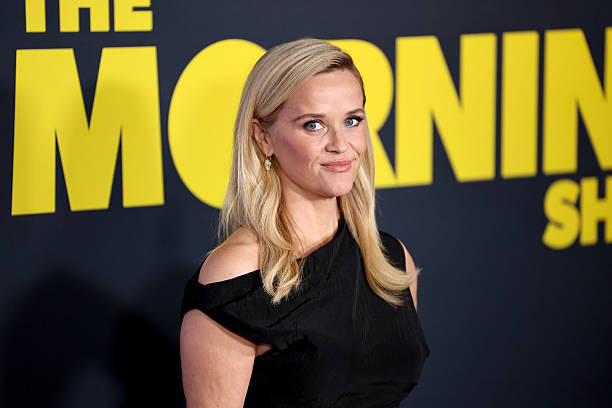
Reese Witherspoon is one of the most recognizable names in Hollywood, with an impressive career that spans acting, producing, and entrepreneurship. From starring in the iconic Legally Blonde to launching successful production ventures, she has built a reputation as both a performer and a businesswoman. Yet, even for someone of her stature, Hollywood has a way of humbling its brightest stars.
Recently, Witherspoon shared a candid story about a professional setback that turned into a valuable learning experience. It was an “ego check” she didn’t anticipate, but one that ultimately shaped her journey as a producer and creative force in the industry.
The Movie Role She Didn’t Get
During an appearance on the Las Culturistas podcast, Witherspoon recalled her experience with the 2014 film Gone Girl. At the time, she had optioned the rights to Gillian Flynn’s bestselling novel, hoping to both produce and star in the adaptation. However, director David Fincher had other plans.

“David sat me down—and this is not on David—but he was like, ‘You’re totally wrong for this part, and I’m not putting you in it,’” Witherspoon revealed.
Even though Flynn, the book’s author, expressed her support and told Witherspoon she would love to see her in the role, Fincher stood firm. He went on to cast Rosamund Pike as Amy Dunne, with Ben Affleck playing Nick Dunne.
A Tough but Necessary Lesson
Being turned down for a role in a project she was heavily invested in was not easy. Witherspoon admitted it stung at the time, but she also acknowledged Fincher’s instincts were correct.
“That was, first of all, an ego check for me,” she said. “It was like, ‘No, you’re not right for everything.’ And he was right. He was totally right.”
While Fincher didn’t provide specific reasons, Witherspoon speculated that her established image as a likable and relatable actress may have influenced his decision. The role of Amy Dunne required a sense of mystery, menace, and unpredictability. “I’m not known to be sinister or diabolical,” she explained, suggesting that audiences might not have fully believed her as the manipulative character.
Turning a Setback Into Growth
Despite missing out on the role, Witherspoon still played a key part in the project. Gone Girl was the first movie produced under her company, Pacific Standard, which she co-founded to create more opportunities for women-led stories. The company has since been rebranded as Hello Sunshine, a powerhouse in entertainment content.
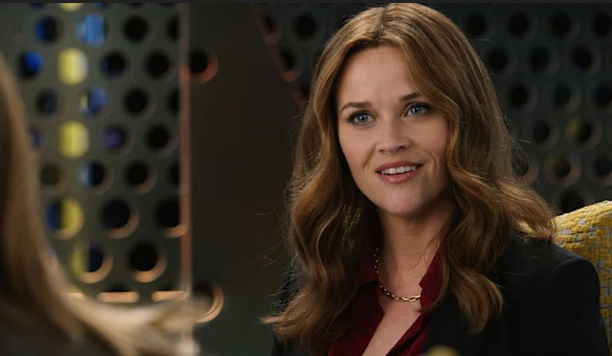
Reflecting on the experience, she said: “Producing also means get out of the way when you’re supposed to. Do your job to promote, continue to pull people together, continue to build creative groups so that the ultimate result is the best work that it could possibly be.”
In the end, Fincher’s decision proved successful—Rosamund Pike’s chilling performance earned her an Academy Award nomination for Best Actress.
Early Producing Struggles
Even with Gone Girl and her next production, Wild, both receiving critical acclaim and Oscar nominations, Witherspoon struggled to be taken seriously as a producer.
“It took me till Big Little Lies,” she admitted. “Nicole [Kidman] and I produced that together, and that’s when people started taking me seriously as a producer. Before that, I honestly could not get traction, even with those hits, even with three Oscar nominations. Yeah, it was really hard.”
The Emmy-winning HBO drama became a turning point, proving Witherspoon’s ability to create compelling, award-winning content beyond the big screen.
Building Hello Sunshine and a New Legacy
Over time, Witherspoon transformed Hello Sunshine into a production company focused on women-centric stories, giving female voices the spotlight they often lacked in Hollywood. The company went on to produce critically acclaimed projects such as Little Fires Everywhere and The Morning Show.

She also continued starring in many of these productions, blending her talents in front of and behind the camera. Her most recent project, You’re Cordially Invited, further cements her dual role as both star and producer.
Through persistence, Witherspoon proved that she is more than just an actress — she is an industry leader reshaping Hollywood narratives.
A Lesson for Every Artist
Witherspoon’s story about being turned down for Gone Girl reflects a broader truth about the entertainment business: rejection is part of the journey, no matter how successful you are. What matters is how you respond to it.
Instead of letting the disappointment define her, she used it as a lesson to refine her skills and push forward. Her humility in admitting, “I wasn’t right for the part,” shows both professional maturity and self-awareness.
Today, she stands not only as an Academy Award-winning actress but also as one of Hollywood’s most respected producers. Her trajectory is a reminder that setbacks can be stepping stones to even greater success.
Conclusion: An Ego Check That Sparked a Career Shift
Reese Witherspoon’s journey from being turned down by David Fincher to producing award-winning projects illustrates the unpredictable but rewarding path of Hollywood careers. The “ego check” she didn’t see coming ultimately pushed her to embrace her role as a producer and build a lasting legacy that goes beyond acting.
Her experience is both inspiring and relatable — a reminder that sometimes, not getting what you want can lead you exactly where you need to be.