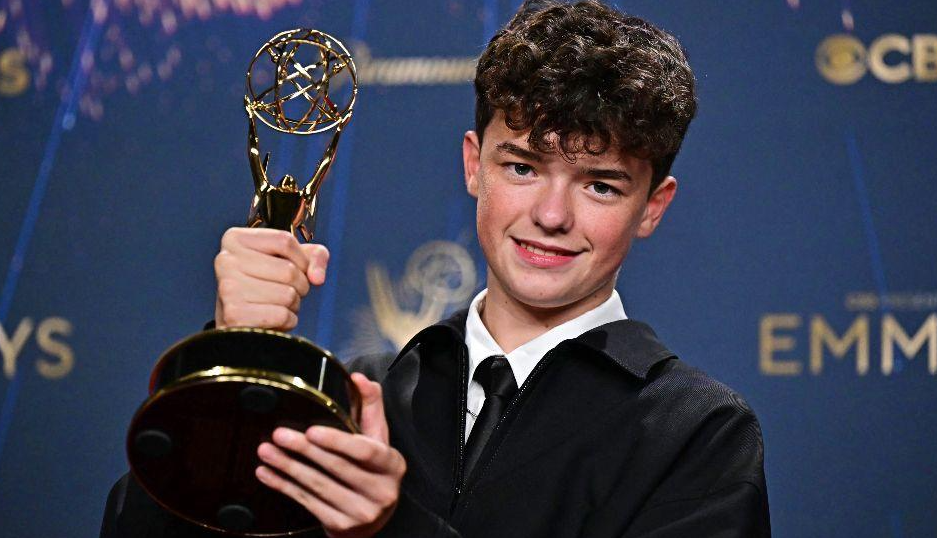
The 77th Primetime Emmy Awards were filled with surprises, but one moment stood out above the rest — the rise of 15-year-old Owen Cooper into Emmy history. On Sunday night, Cooper became the youngest male performer ever to win an Emmy Award for Outstanding Supporting Actor in a Limited Series or TV Movie, thanks to his haunting and emotionally layered performance in Netflix’s Adolescence.
This victory not only cemented his status as one of Hollywood’s brightest young stars, but also placed him in a very exclusive group of Emmy winners who were honored at such a young age. Cooper’s win is more than just a personal triumph; it continues a long tradition of groundbreaking moments where young actors defied expectations and left an indelible mark on television history.
The Role That Changed Everything
In Adolescence, Owen Cooper portrays a troubled teenager navigating trauma, identity, and survival in a complex modern world. Critics praised his nuanced performance for balancing raw vulnerability with emotional depth beyond his years. Many industry insiders felt the role required maturity far beyond the typical teen actor — yet Cooper delivered in a way that stunned audiences and Academy voters alike.

While some may be surprised by his historic win, it’s worth noting that Emmy voters often reward performances that carry cultural and emotional weight. Adolescence wasn’t just another limited series; it became a conversation-starter, capturing the zeitgeist much like Netflix’s previous hits such as The Queen’s Gambit and When They See Us.
Following in Legendary Footsteps
Owen Cooper is now part of a very rare club — child and teenage Emmy winners who made history by breaking barriers at an age when most actors are just beginning to dream of careers.
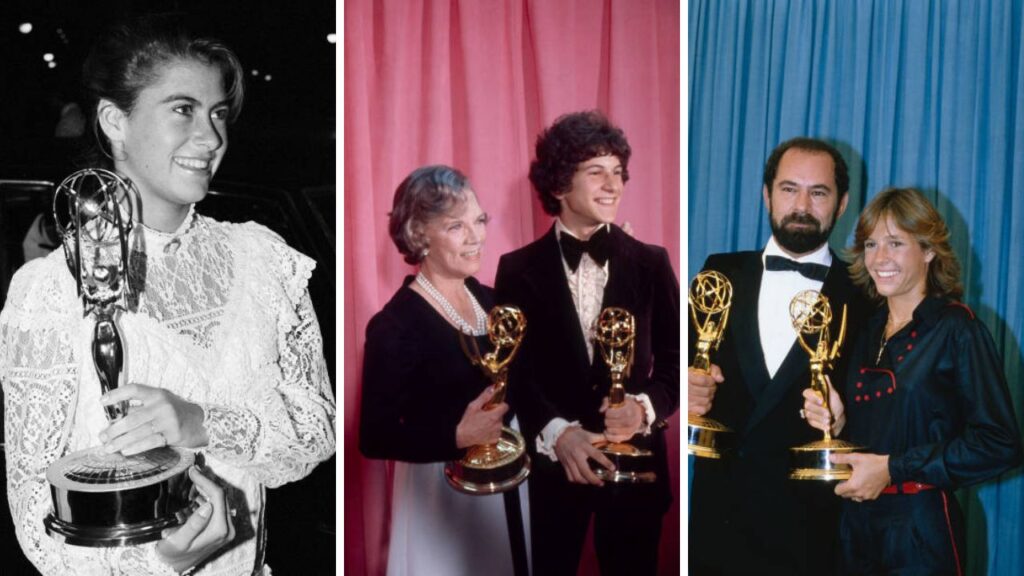
Here are some of the other young stars he now stands alongside:
- Roxana Zal (1984) – At just 14 years old, Zal became the youngest Emmy winner ever, earning Outstanding Supporting Actress in a Limited Series or Special for her role in Something About Amelia. The groundbreaking TV movie told the harrowing story of a teenager dealing with abuse from her father, with Ted Danson and Glenn Close portraying her parents. Zal’s win proved that even the youngest performers could tackle challenging material with sophistication.
- Scott Jacoby (1973) – At 16, Jacoby won Outstanding Supporting Actor in a Drama for That Certain Summer. The television film was a trailblazer, exploring the story of a divorced father (played by Hal Holbrook) who reveals to his son that he is gay. Jacoby’s sensitive portrayal helped break television barriers at a time when LGBTQ+ representation was nearly nonexistent.
- Anthony Murphy (1973) – Just a year older at 17, British actor Murphy won for Outstanding Single Performance by an Actor in a Leading Role for Tom Brown’s Schooldays, an adaptation of the 1857 Thomas Hughes novel. His role as the bullied schoolboy brought international recognition to a rising star.
- Kristy McNichol (1977) – At 15, McNichol earned Outstanding Supporting Actress for her role as Letitia “Buddy” Lawrence on the ABC family drama Family. The show captured the struggles of a middle-class household in Pasadena, and McNichol’s raw, heartfelt performance resonated deeply with viewers.
Young Winners of the Modern Era
While early Emmy history celebrated trailblazing teenagers, recent years have seen a new wave of young stars earning recognition for bold, challenging performances.
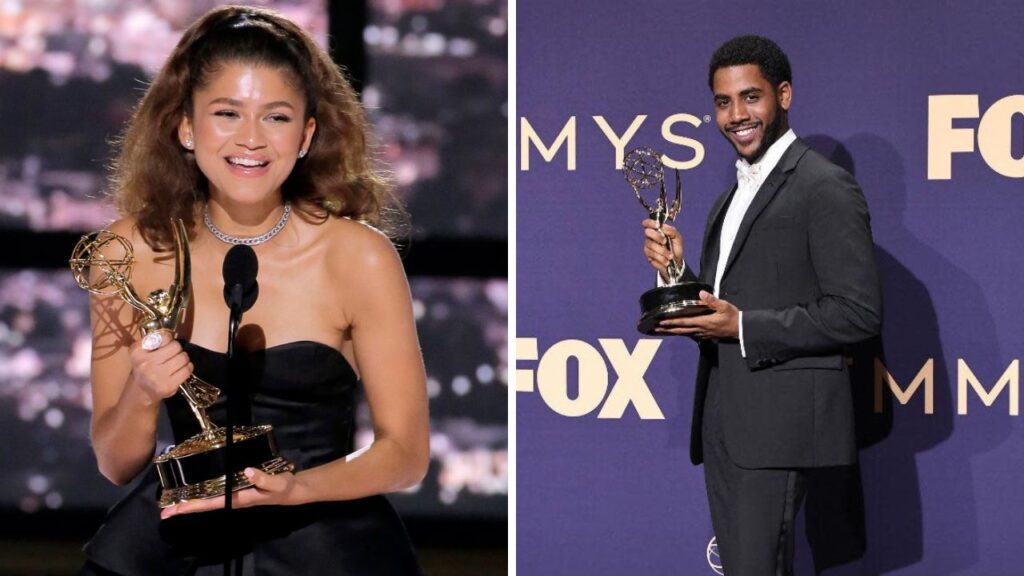
- Jharrel Jerome (2019) – At 21, Jerome became the first Afro-Latino to win Outstanding Lead Actor in a Limited Series or Movie for his unforgettable portrayal of Korey Wise in When They See Us. The Netflix miniseries dramatized the true story of the “Central Park Five,” teenagers wrongfully convicted in the late 1980s. Jerome’s performance was both heartbreaking and inspiring, solidifying his place in Emmy history.
- Zendaya (2020) – At 24, Zendaya became the youngest performer ever to win Outstanding Lead Actress in a Drama Series for her role as Rue Bennett in HBO’s Euphoria. Her groundbreaking win was followed by a second Emmy in 2022 for the same role, showcasing her ability to carry one of the most talked-about dramas of the decade.
Both Jerome and Zendaya paved the way for a new generation of actors — including Owen Cooper — proving that youth is no barrier to commanding performances that resonate globally.
Why Owen Cooper’s Win Matters
Cooper’s win at just 15 years old is about more than setting records. It’s a reminder of the shifting landscape of television. The Emmys are no longer dominated by veteran actors or long-running series; instead, they increasingly reflect the cultural and emotional resonance of performances that connect deeply with audiences.
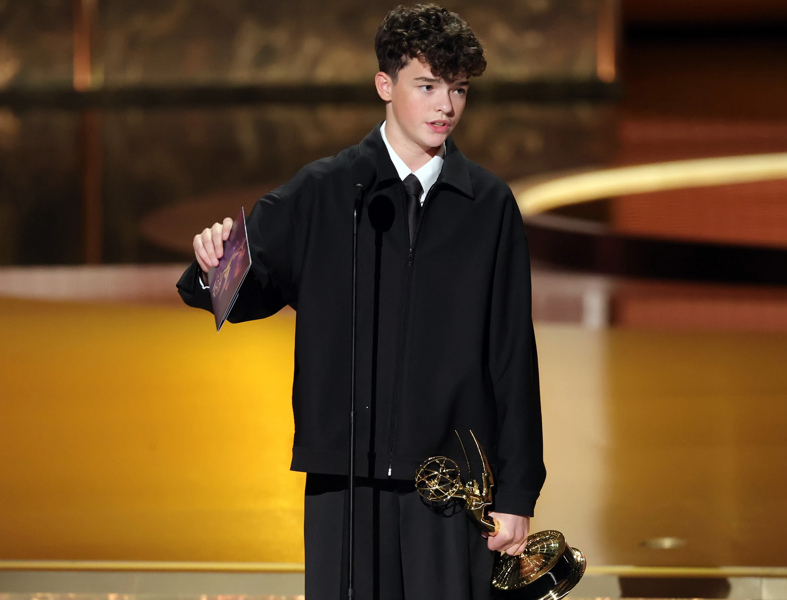
In a time when streaming platforms produce high-caliber limited series that tackle timely themes, young actors like Cooper are stepping into roles once considered too heavy for their age. The result? Performances that don’t just tell stories — they redefine the boundaries of what television can achieve.
Furthermore, his win continues the conversation around representation. Just like Jharrel Jerome’s victory signaled a step forward for Afro-Latino visibility, and Zendaya’s win highlighted complex portrayals of Gen Z struggles, Cooper’s triumph proves that teens can deliver as much gravitas, artistry, and complexity as seasoned actors.
Looking Ahead
At just 15, Owen Cooper has already accomplished what many actors spend a lifetime chasing. The question now is: what’s next?
Industry insiders predict that his Emmy win will open the doors to major film and television roles. With Adolescence marking such a defining moment in his career, fans and critics alike are eager to see how he navigates this new chapter.
Whether he chooses to continue with roles that challenge him dramatically or experiments with different genres, one thing is clear — Owen Cooper is no longer just a promising newcomer. He is an Emmy-winning actor whose career is just getting started.
Conclusion
From Roxana Zal’s groundbreaking win in 1984 to Zendaya’s cultural impact in the 2020s, Emmy history has often been rewritten by young performers who defy expectations. Now, with Owen Cooper’s record-setting victory at age 15, another inspiring chapter has been added to that legacy.
Television continues to evolve, but one truth remains: great performances know no age. Whether 14, 15, or 24, young stars like Cooper remind us that powerful storytelling is timeless.