
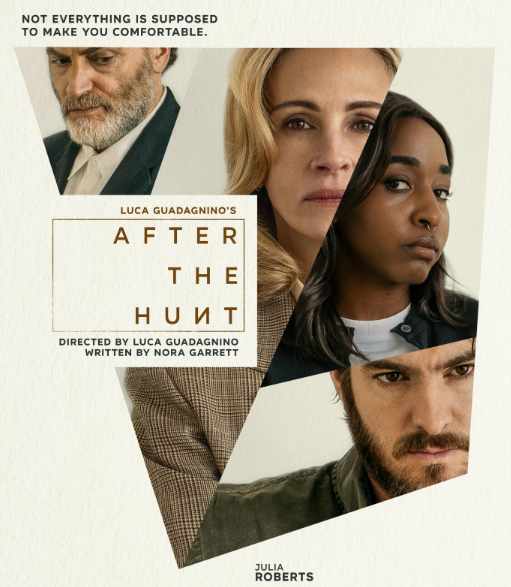
Julia Roberts has long been celebrated as one of Hollywood’s most iconic stars. With her radiant smile, infectious charisma, and unforgettable performances, she defined the romantic-comedy era of the 1990s and cemented her status as a true box office queen. But in recent years, her career choices have been quieter, with fewer leading roles that matched her immense talent. Now, Roberts is back in the spotlight with Luca Guadagnino’s drama After the Hunt, a film that critics are calling her finest performance since her Oscar-winning turn in Erin Brockovich.
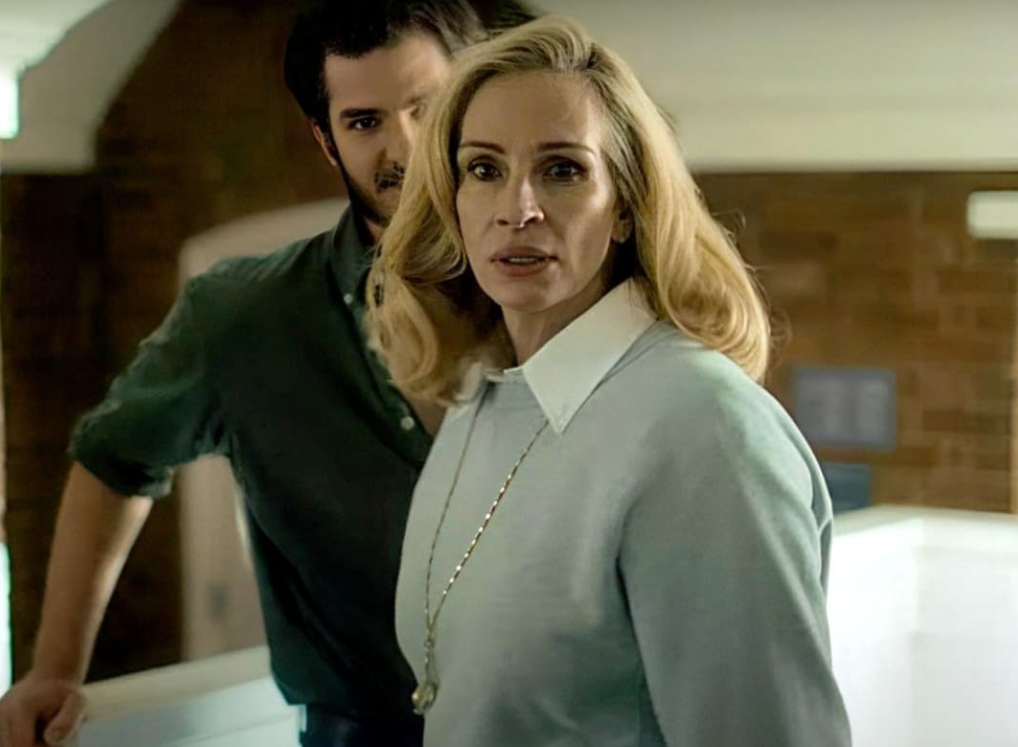
This comeback feels significant, not only for Roberts herself but for Hollywood at large. In an industry that often sidelines older female stars, seeing Roberts tackle such a layered and morally complex role is refreshing — and potentially career-defining all over again.
A Role That Demands Everything from Roberts
In After the Hunt, Roberts plays Alma Imhoff, a Yale philosophy professor caught in the middle of a volatile sexual assault dispute involving her colleagues and students. Her character is a mix of strength and fragility, intellect and doubt, warmth and detachment. At times she is sympathetic; at others, cold and unreadable.
This duality makes the role one of Roberts’ most challenging to date. She delivers a performance that is raw and multi-dimensional, shifting between being a victim, a skeptic, and even a potential antagonist. It’s the kind of role that typically goes to actresses like Tilda Swinton or Cate Blanchett, yet Roberts makes it her own — reminding audiences why she became a household name in the first place.
A Career That Defined an Era
To appreciate the significance of this performance, it helps to look back at Roberts’ incredible journey. She first captured attention in Steel Magnolias (1989), earning an Academy Award nomination for Best Supporting Actress. But it was Pretty Woman (1990) that catapulted her to superstardom. Playing Vivian Ward, the sharp-witted and endearing woman opposite Richard Gere, Roberts turned what could have been a cliché role into an unforgettable cultural moment. Her performance was so electric that she landed her second Oscar nomination.

Through the 1990s, Roberts became the queen of romantic comedies, starring in hits like My Best Friend’s Wedding and Notting Hill. Her ability to balance humor, vulnerability, and charm made her one of the most bankable stars in the world. Few actors had her kind of box-office draw.
The Peak: Erin Brockovich
Roberts’ defining moment came in 2000 with Erin Brockovich. Directed by Steven Soderbergh, the film showcased Roberts as a legal assistant who takes on a powerful energy company responsible for contaminating a town’s water supply. The role demanded grit, wit, and heart — and Roberts delivered on all fronts. The film was a commercial and critical success, and Roberts finally won the Academy Award for Best Actress.
For many, this performance was the height of her career. It showed she could do more than romantic comedies — she could command a drama with the same magnetism that had made her America’s sweetheart.
The Quiet Years
After Erin Brockovich, Roberts continued to act, but her projects often lacked the impact of her earlier hits. She had supporting roles in the Ocean’s Eleven franchise, tackled darker material in Closer, and explored fantasy with Mirror Mirror. While she remained a respected name, she was no longer dominating the box office or award conversations.
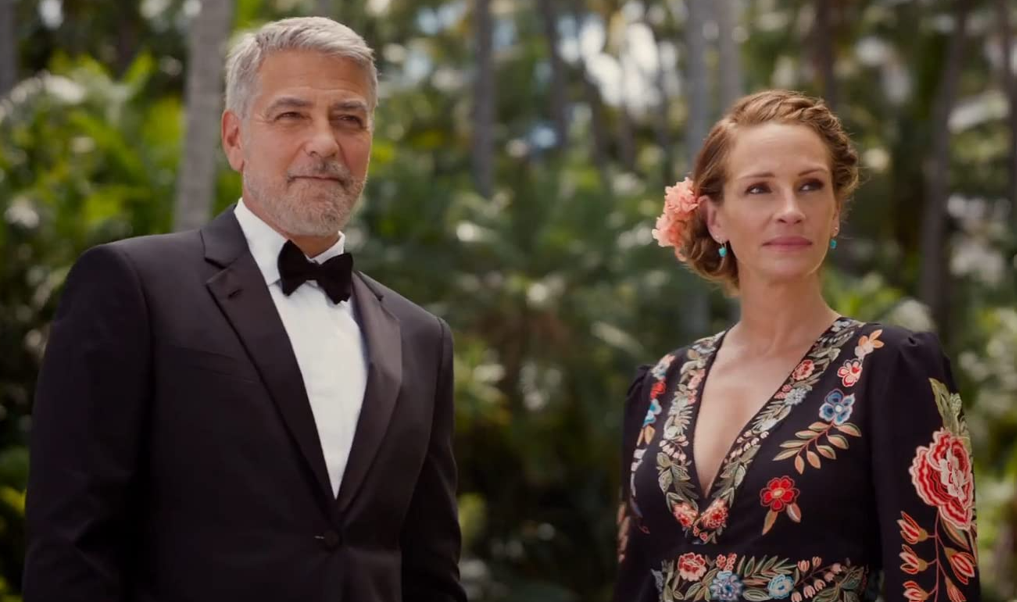
In recent years, her roles included heartfelt turns in Wonder and Ben Is Back, lighthearted fare like Ticket to Paradise, and Netflix’s thriller Leave the World Behind. These films reminded audiences of her versatility, but they didn’t provide the kind of meaty challenge that After the Hunt now offers.
Why After the Hunt Matters
After the Hunt arrives at a time when Hollywood is slowly reevaluating the kinds of roles available to women over 50. Roberts, now in her mid-50s, proves that she can tackle contemporary, socially charged stories with the same brilliance she brought to her earlier career. The film explores themes of campus politics, cancel culture, and shifting power dynamics in the post-#MeToo era. Alma Imhoff, Roberts’ character, is not a simple heroine or villain — she’s deeply human, with contradictions that make her fascinating to watch.
The comparisons to Cate Blanchett’s Tár are inevitable, as both films explore women navigating power, ethics, and vulnerability in academia. But Roberts brings a warmth and fragility that is uniquely her own. This performance is a reminder of her ability to surprise audiences, even decades into her career.
Roberts’ Place in Hollywood’s Future
With After the Hunt, Roberts signals that she’s not content to coast on her past achievements. Instead, she’s ready to embrace more challenging, complex roles that reflect the maturity of her career and her life. If Hollywood responds positively — and awards season buzz suggests it might — Roberts could be entering a powerful new chapter.
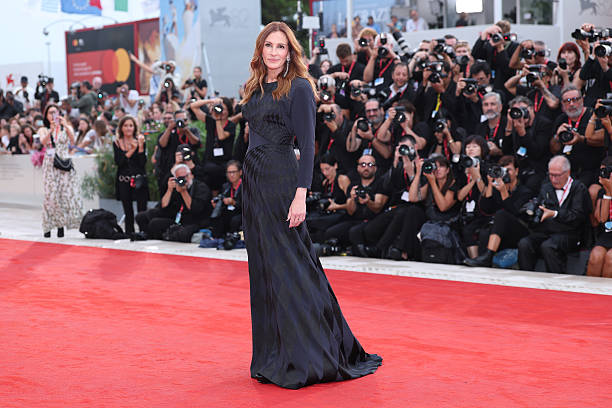
The question now is whether the industry, often slow to value older female actors, will give her the opportunities she clearly deserves. For Roberts’ fans, the answer is simple: she’s back, and better than ever.
Conclusion
Julia Roberts has nothing left to prove, yet with After the Hunt, she proves everything again. It’s her most daring role in years, one that strips away the glossy image of the rom-com queen and replaces it with a layered, nuanced portrayal of a woman caught in moral and personal chaos. For audiences, it’s a chance to rediscover Roberts not as a nostalgic icon, but as a dynamic actress still capable of surprising us.
Hollywood may have underestimated her in recent years, but After the Hunt is a powerful reminder: Julia Roberts is far from done. In fact, she may just be entering her most exciting era yet.