
Hollywood actress Gal Gadot has recently spoken out to clarify comments she made about the box office failure of Disney’s Snow White. The actress, best known for her iconic role as Wonder Woman, played the Evil Queen in the live-action remake. Over the past weekend, her earlier statements went viral, sparking heated debates across the internet.
What began as a straightforward interview response has now turned into a global conversation, where Gadot’s words have been interpreted in different ways. To set the record straight, she has issued a clarification through social media, emphasizing that her views were more personal than political, and that no single reason should be blamed for the film’s underperformance.
The Viral Interview and Its Impact
In her initial comments during an Israeli TV interview, Gadot shared that she believed Snow White was destined for success. She mentioned how enjoyable the filming process had been, working alongside co-star Rachel Zegler, and how she felt confident that the movie would be a massive hit.
However, Gadot linked the film’s struggles at the box office to the events that unfolded after the October 7, 2023 Hamas attack on Israel. She suggested that there was growing pressure on actors, filmmakers, and celebrities worldwide to speak out against Israel, and that this wave of criticism had also impacted her directly.
The actress explained that in the eyes of many critics, she was viewed primarily as an Israeli rather than simply as an actress. This, she felt, created additional backlash that contributed to the negativity surrounding Snow White.
The Clarification on Instagram
After her interview began trending, Gadot took to Instagram Stories to clarify her position. In a heartfelt message, she wrote that her original words came from an emotional place rather than a carefully measured one. She acknowledged that while external pressures may have had some influence, it would be unfair to pin the movie’s performance on political issues alone.
She emphasized:
- Every film’s success or failure is determined by multiple factors.
- Negative reviews, audience expectations, and high production budgets all play a role.
- No single issue can completely explain why Snow White struggled.
By sharing this perspective, Gadot aimed to reframe the narrative. She explained that the backlash she personally experienced as an Israeli in Hollywood shaped the way she initially responded in the interview. However, she wanted fans and the industry to understand that she did not believe politics alone were responsible for the film’s results.
Box Office Performance of Snow White
The live-action Snow White remake released in March, carrying a massive budget of nearly $300 million. Unfortunately, the film grossed only about $205 million worldwide, making it a commercial disappointment.
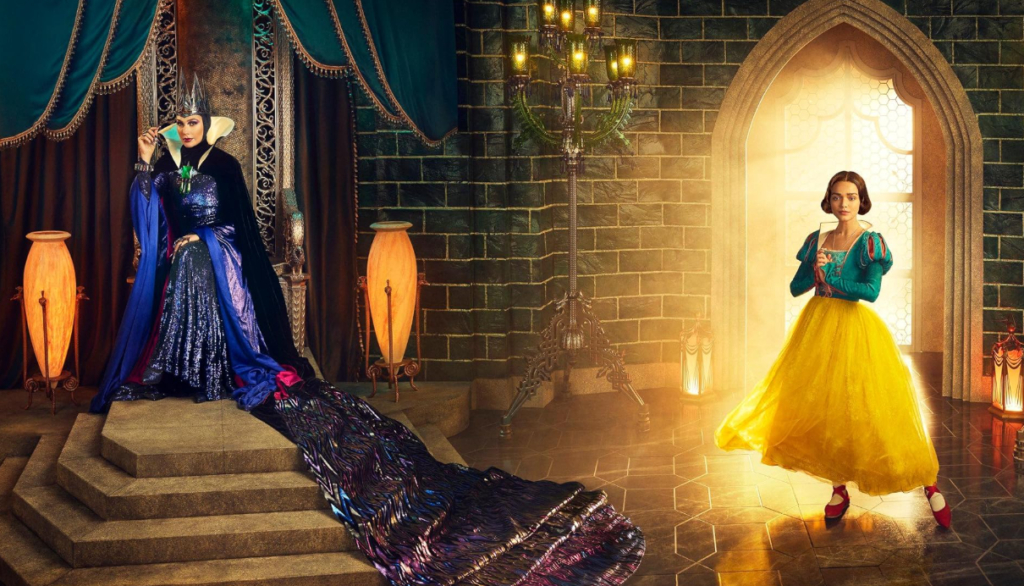
Critical response was also far from encouraging. On Rotten Tomatoes, the film received a 39% approval rating, with most critics pointing to issues like:
- Weak screenplay adaptation
- Lack of emotional depth compared to the original animated classic
- Divisive casting choices
- An overall sense that Disney’s live-action remakes are losing creative charm
This combination of lukewarm audience reception and high production costs made it difficult for the movie to succeed financially, regardless of external controversies.
Rachel Zegler and the Boycott Movements
Another factor that surrounded the movie’s release was the polarized online reactions to its cast members. Lead actress Rachel Zegler, who played Snow White, had previously expressed support for Palestine. This clashed with Gadot’s outspoken support for Israel, creating a social media storm on both sides.
Both actresses faced calls for boycotts, with different online factions attempting to politicize the movie’s release. While the true impact of these movements on ticket sales is hard to measure, they certainly played a role in shaping the public conversation around Snow White.
This added a layer of controversy to a film that was already struggling to win over critics.
Disney’s Live-Action Strategy Under Scrutiny
The underwhelming performance of Snow White has led Disney to re-evaluate its strategy for live-action remakes. According to industry updates, Disney has decided to put its planned live-action Tangled remake on indefinite hold.
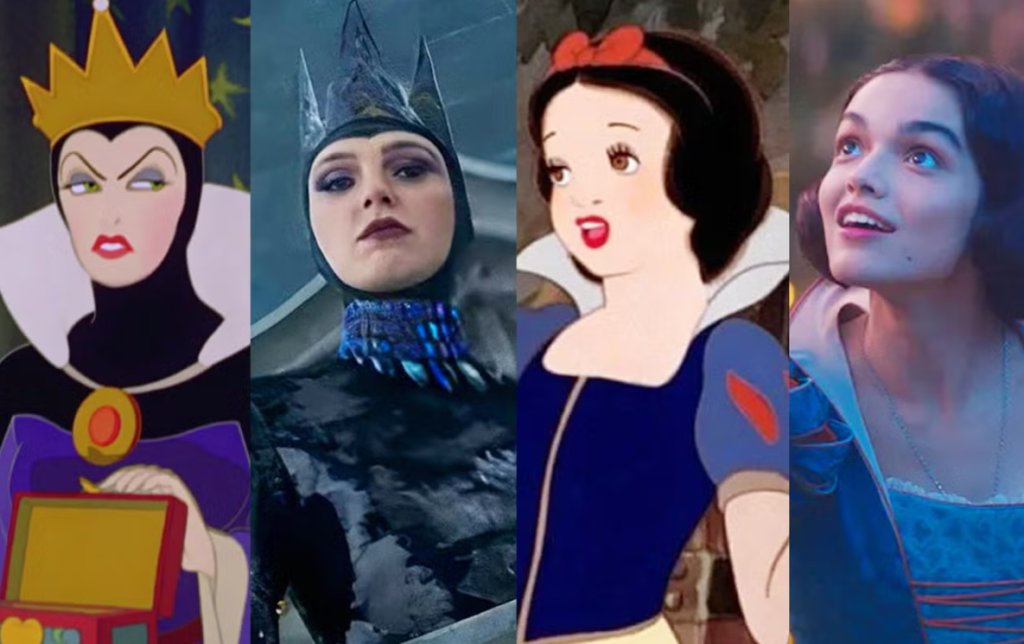
Over the past decade, Disney has heavily leaned on reviving its animated classics through live-action reinterpretations such as The Lion King, Aladdin, Beauty and the Beast, and The Little Mermaid. While some found box office success, the trend has recently faced criticism for being too repetitive and overly reliant on nostalgia.
The failure of Snow White may serve as a turning point, pushing Disney to rethink whether audiences still crave live-action versions of beloved animated films or if the formula has grown stale.
Gadot’s Career Beyond Snow White
Despite the controversy, Gal Gadot remains a major Hollywood star. Her performance as the Evil Queen was praised by some viewers as one of the stronger aspects of the film. Moving forward, she continues to work on various projects, including action films and passion projects under her own production company.
Her willingness to clarify her words shows her awareness of how sensitive and globalized today’s conversations have become. In an age where celebrity comments travel instantly across social media platforms, Gadot’s measured clarification is a reminder of how important context and nuance can be.
Conclusion
The controversy surrounding Snow White and Gal Gadot’s comments demonstrates how entertainment, politics, and social media can become tightly intertwined. While Gadot initially connected the movie’s struggles to political backlash, she later clarified that the failure was the result of many factors, not one.
From negative reviews and budget challenges to polarized fan reactions, Snow White’s disappointing performance highlights the unpredictable nature of the film industry. For Disney, the lesson may be that audiences are growing weary of live-action remakes, and fresh storytelling might be the key to winning back fans.
For Gal Gadot, this chapter is a reminder of the scrutiny celebrities face when addressing sensitive topics. Her clarification brings balance to the conversation, ensuring that fans understand her words were shaped by personal experience rather than an attempt to assign sole blame.
As Hollywood moves forward, both audiences and creators will continue to navigate the fine line between art, politics, and public perception.