
Jacob Elordi reached a major career milestone at the 2026 Critics Choice Awards, taking home his first-ever major acting prize. The 28-year-old actor won the award for Best Supporting Actor for his haunting and deeply personal performance as the Creature in Frankenstein, directed by acclaimed filmmaker Guillermo del Toro.
The ceremony, held on January 4 in Santa Monica, California, marked a defining moment for Elordi — one that signals his evolution from rising star to serious awards contender.
An Unexpected but Emotional Win
When Elordi’s name was announced, his reaction said it all. Taking the stage, he appeared genuinely stunned by the recognition.
“Bloody hell. I really didn’t plan for it,” he said as he opened his acceptance speech, drawing laughter and applause from the audience.
The actor went on to express heartfelt gratitude to del Toro, crediting the visionary director as a lifelong inspiration.
“Thank you, Guillermo del Toro. I love you. We all love you. You made my dreams when I was 11,” Elordi said, before thanking his parents for their unwavering support.
It was a raw, sincere moment — one that resonated with viewers and underscored how much the role and the recognition meant to him.
A Fiercely Competitive Category
Elordi’s win came in one of the most competitive acting categories of the night. He faced off against an impressive lineup of nominees, including Benicio del Toro, Paul Mescal, Sean Penn, Adam Sandler, and Stellan Skarsgård — all acclaimed performers with extensive awards histories.
That Elordi emerged victorious against such seasoned talent made the moment even more significant. It also highlighted the industry’s recognition of his transformation and commitment to more challenging, dramatic roles.
For many observers, the win confirmed what film critics had been saying since Frankenstein premiered: Elordi delivered one of the most emotionally complex performances of the year.
Reimagining an Iconic Character
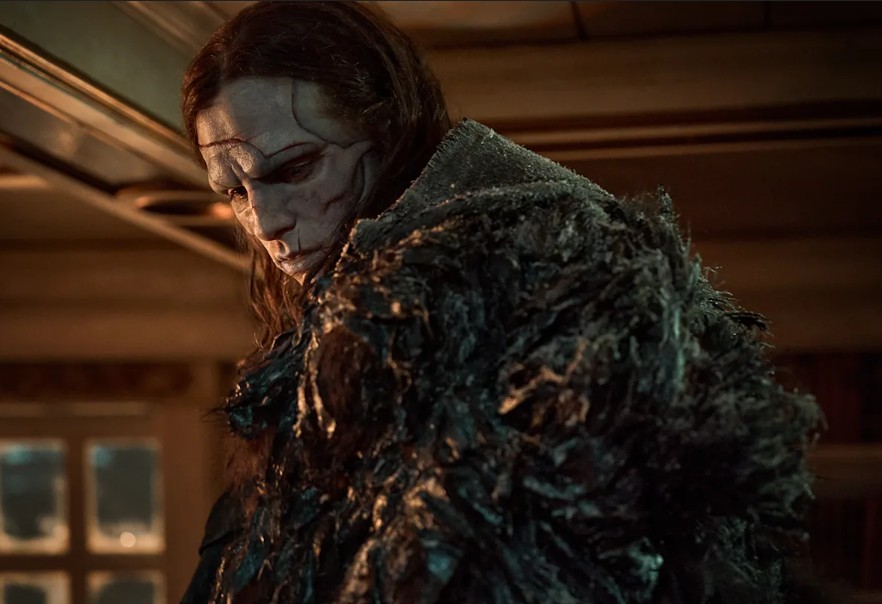
In Frankenstein, based on Mary Shelley’s classic novel, Elordi takes on one of literature’s most iconic and demanding roles — the Creature. Far from portraying the character as a simple monster, the film presents him as a tragic being shaped by abandonment, curiosity, and rejection.
Created by Victor Frankenstein, played by Oscar Isaac, the Creature is initially seen as a failed experiment — lacking the intelligence his creator hoped for. Cast into a world he doesn’t understand, he slowly becomes aware of beauty, connection, and humanity, only to be met with fear and cruelty.
Elordi’s performance charts that emotional journey with remarkable vulnerability, transforming the Creature into a mirror of human longing rather than a symbol of horror alone.
“The Purest Form of Myself”
Elordi has spoken openly about how deeply personal the role was for him. During a press conference at the 2025 Venice International Film Festival, he described the Creature as a vessel for his own experiences and emotions.
“It was a vessel that I could put every part of myself into,” he explained. “From the moment that I was born to being here with you today, all of it is in that character.”
He went on to say that the version of the Creature seen on screen represents a raw, unfiltered version of who he is.
“In so many ways, the creature that’s on screen in this movie is the sort of purest form of myself. He’s more me than I am.”
Those words have taken on even greater weight following his Critics Choice win, as audiences and industry insiders alike recognize the emotional honesty he brought to the role.
Guillermo del Toro’s Vision Pays Off
Del Toro’s interpretation of Frankenstein has been praised for its empathy and emotional depth, and Elordi’s performance is central to that vision. Rather than leaning into spectacle alone, the film focuses on intimacy, pain, and the consequences of rejection.
Elordi’s collaboration with del Toro appears to have been transformative, giving the actor space to explore vulnerability on a scale rarely afforded to someone of his age and background.
The director’s influence was evident throughout Elordi’s speech, reinforcing how pivotal the partnership was in shaping the performance that earned him his first major award.
A Turning Point in Elordi’s Career
For years, Jacob Elordi was widely recognized for his breakout roles in teen dramas and mainstream hits. While popular with audiences, those early projects often overshadowed his ambitions as a serious actor.
Frankenstein represents a clear turning point. By embracing a physically and emotionally demanding role, Elordi signaled a deliberate shift toward prestige filmmaking — a move now validated by awards recognition.
The Critics Choice Award positions him firmly within the conversation of the next generation of elite dramatic actors.
Awards Season Momentum Continues
Elordi’s Critics Choice win may not be the end of his awards journey this season. He is also nominated at the upcoming Golden Globe Awards, set to take place on January 11.
With strong critical support and increasing industry respect, his performance in Frankenstein continues to gain momentum. Regardless of the outcome, his presence among this year’s nominees confirms his arrival as a major awards contender.
Why This Win Matters
Beyond personal achievement, Elordi’s victory reflects a broader shift in how young actors are being evaluated in Hollywood. Risk-taking, emotional openness, and commitment to complex material are increasingly being rewarded — even over more established names.
His win also highlights the enduring power of classic stories when reimagined with empathy and artistic ambition.
Final Thoughts
Jacob Elordi’s Best Supporting Actor win at the 2026 Critics Choice Awards marks more than just a trophy — it marks a transformation. With Frankenstein, he has proven that he is capable of carrying one of literature’s most challenging roles with depth, sensitivity, and authenticity.
As he stood on stage, stunned and grateful, it was clear this was not just a career highlight — it was the beginning of a new chapter.