
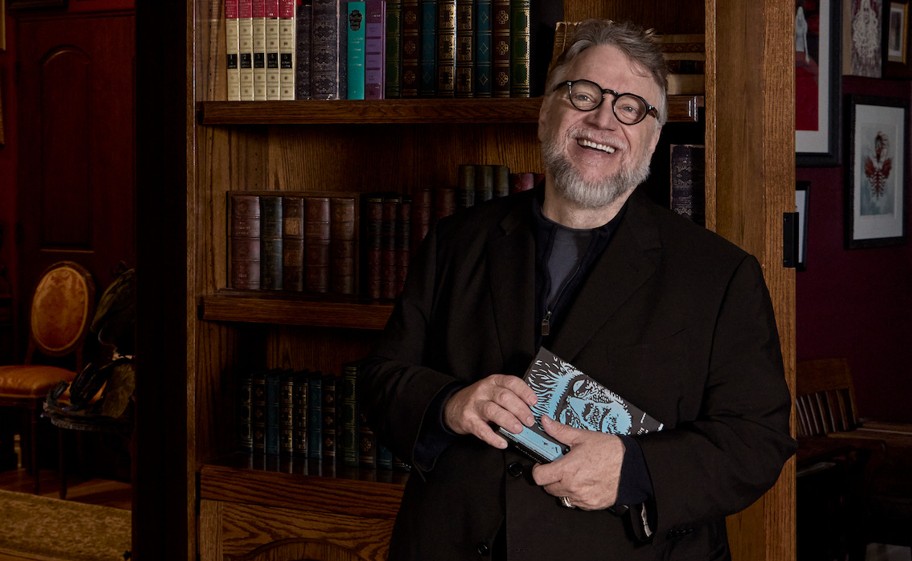
Oscar-winning filmmaker Guillermo del Toro has finally brought his lifelong dream to life — a deeply emotional and visually striking adaptation of Mary Shelley’s timeless novel, Frankenstein. Now streaming on Netflix, del Toro’s version explores not only the terror of creation but also the beauty, pain, and humanity that lies within monsters.
A Childhood Obsession Turned into Cinema Magic
For Guillermo del Toro, Frankenstein isn’t just a story — it’s a lifelong companion. Since his childhood in Mexico, the director has been fascinated by Shelley’s creation. “I’ve lived with Mary Shelley’s creation all my life,” del Toro once shared. “For me, it’s the Bible. But I wanted to make it my own, to sing it back in a different key with a different emotion.”
After years of dreaming and development, his vision has finally materialized on screen. Frankenstein debuted at the Venice Film Festival on August 30 — fittingly, Mary Shelley’s birthday — before making its global streaming debut.
Reimagining a Classic: The Director’s Holy Creation
In del Toro’s adaptation, Oscar Isaac stars as the brilliant yet tormented scientist Victor Frankenstein, while Jacob Elordi takes on the haunting role of the Creature. For del Toro, the monster is not merely a symbol of horror — he’s something divine, a reflection of lost humanity. The director even calls him his “patron saint.”
“Mary Shelley’s masterpiece is filled with questions that burn in my soul — existential, tender, and doomed,” del Toro explains. “Only monsters hold the secrets I long for.”
The film goes beyond science fiction or horror — it’s a meditation on identity, morality, and the human need for love and understanding.
Who Is the Real Monster?
The heart of Frankenstein lies in its eternal question — who is truly monstrous: the creator or his creation? Del Toro’s version delves deep into this duality.
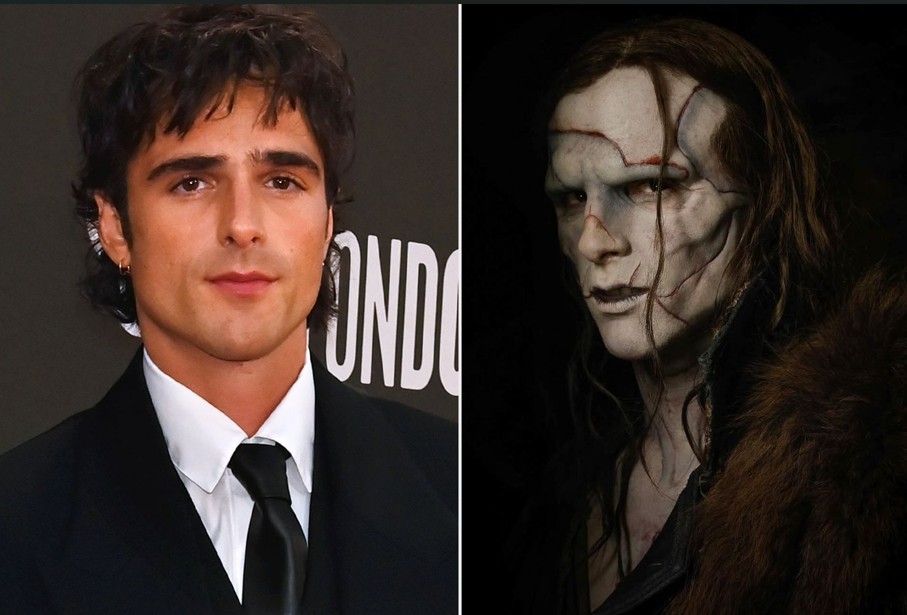
Victor Frankenstein, consumed by ambition and arrogance, plays god to prove his genius by creating life from death. But when the Creature awakens — confused, lonely, and seeking affection — he becomes a mirror reflecting humanity’s flaws.
Their relationship evolves into a tragic exploration of love, loss, and purpose. As both struggle to define themselves — one seeking redemption, the other understanding — del Toro transforms Shelley’s gothic tale into a poetic story of fathers and sons, creators and creations.
A Symphony of Style and Emotion
Del Toro’s visual direction is unmistakable. Known for his gothic flair and emotional storytelling in films like Pan’s Labyrinth and The Shape of Water, he brings similar depth to Frankenstein.
But unlike traditional adaptations that focus purely on the horror, del Toro’s film blends fear with empathy. He captures the anxiety and confusion of adolescence — that moment in life when the world feels both wondrous and deceitful.
“The book has a lot of anxiety — the kind you feel when you’re young and realize people lie about how the world works,” del Toro explains. He wanted his movie to feel alive with that same pulse of uncertainty and discovery.
Translating Shelley’s Rhythm to the Screen
One of del Toro’s most remarkable feats is his treatment of language. As a filmmaker whose first language isn’t English, he paid close attention to the musicality and rhythm of Shelley’s writing.
“When English is your second language, you listen differently,” he says. “You feel the rhythm. The dialogue in Frankenstein has a melody, and I wanted to honor that without making it sound archaic.”
The result is dialogue that feels timeless — poetic yet emotionally raw — allowing modern audiences to connect with 19th-century ideas through a contemporary lens.
Visual Storytelling: Not a Period Piece, but a Living World
Del Toro was careful not to make Frankenstein feel like a traditional period drama. “When Mary Shelley wrote Frankenstein, it was modern,” he explains. “I didn’t want pastel-colored nostalgia. I wanted something bold, full of energy, and alive.”
The film’s costumes, designed with swagger and vibrant color, reflect the characters’ inner turmoil. Victor’s tailored suits convey his precision and vanity, while the Creature’s rugged, textured wardrobe reflects raw humanity.
Every frame, every shadow, every hue feels intentional — echoing del Toro’s trademark aesthetic of beauty intertwined with horror.
A Message That Lingers: Monsters and Humanity
In his closing remarks about the project, del Toro expresses what Frankenstein truly means to him — a reflection of every lost soul seeking connection.
“May monsters inhabit your dreams and give you as much solace as they have given me,” he says softly. “For we are all creatures, lost and found.”
It’s a fitting farewell from a storyteller who has always found beauty in the grotesque. Through Frankenstein, del Toro not only reimagines Shelley’s classic but also invites us to embrace the monsters within ourselves — to see them not as curses, but as companions.
Stream Guillermo del Toro’s Frankenstein on Netflix
Fans of gothic literature, emotional storytelling, and cinematic artistry won’t want to miss del Toro’s latest masterpiece. Frankenstein is now streaming on Netflix, ready to immerse viewers in a haunting world of love, creation, and existential wonder.