
British singer-songwriter Lily Allen has never shied away from turning her personal life into powerful music. With her upcoming album “West End Girl,” set to release on October 24, the 40-year-old artist appears to be channeling heartbreak, betrayal, and raw emotion like never before. Fans and critics are already speculating — is this record a reflection of her breakup with “Stranger Things” actor David Harbour?
A Fierce Comeback After Seven Years
After a seven-year break from music, Allen is making a dramatic return to the spotlight. Her new album is being described as an unflinching portrayal of love, deceit, and emotional healing. The 14-track record reportedly dives deep into the story of a relationship torn apart by infidelity — and Allen doesn’t hold back.
Each song feels like an emotional diary entry, with brutally honest lyrics and a moody, introspective sound that leans toward downtempo pop and melancholic synth layers.
“West End Girl”: A Portrait of Betrayal and Double Lives
According to early listeners, the album paints a vivid picture of a woman navigating the painful aftermath of a lover’s betrayal. The central theme across the record revolves around being deceived in a supposedly “open” marriage — a relationship dynamic that spirals out of control when trust collapses.

In the emotionally charged track “Sleepwalking,” Allen delivers one of her most vulnerable performances yet. She confronts the manipulation and gaslighting she endured, singing:
“Why aren’t we f—–, baby? / Yeah, that’s what you said / But you let me think it was me in my head / And nothing to do with them girls in your bed.”
It’s a brutally honest lyric that captures the confusion and emotional toll of loving someone who constantly blurs the truth.
The Anger Erupts in “P—- Palace”
If “Sleepwalking” shows Lily Allen’s pain, “P—- Palace” showcases her fury. The biting, high-energy track reportedly targets her ex’s unfaithfulness and compulsive behavior. Allen even references discovering a shopping bag full of sex toys that her partner used while leading his “double life.”
This song — equal parts savage and cathartic — has quickly become one of the album’s most talked-about moments. It highlights Allen’s ability to turn personal chaos into sharp, satirical pop commentary.
The Mystery of “Madeline”
The tracks “Tennis” and “Madeline” seem to be two sides of the same story. On “Tennis,” Allen sings about catching her ex nervously grabbing his phone after showing her a photo on Instagram. The lyric — “You won’t play with me and who the f— is Madeline?” — immediately caught fans’ attention.
That mysterious name reappears in “Madeline,” one of the album’s most haunting tracks. Here, Allen directly addresses the other woman, asking how long the affair had been going on and confronting the emotional boundaries that were crossed.
The twist? The relationship was allegedly open — but only under the rule that other encounters had to be with strangers, not ongoing emotional connections. As Allen sings painfully:
“But you’re not a stranger, Madeline.”
It’s a line that encapsulates betrayal in its most intimate form — when love’s rules are broken not through lust, but through emotional attachment.
A Marriage in the Spotlight
Allen and Harbour’s whirlwind romance began in 2019, after the two reportedly met on the celebrity dating app Raya. Their chemistry was instant, leading to a charming Las Vegas wedding at Graceland Wedding Chapel in September 2020 — complete with an Elvis impersonator officiating the ceremony.
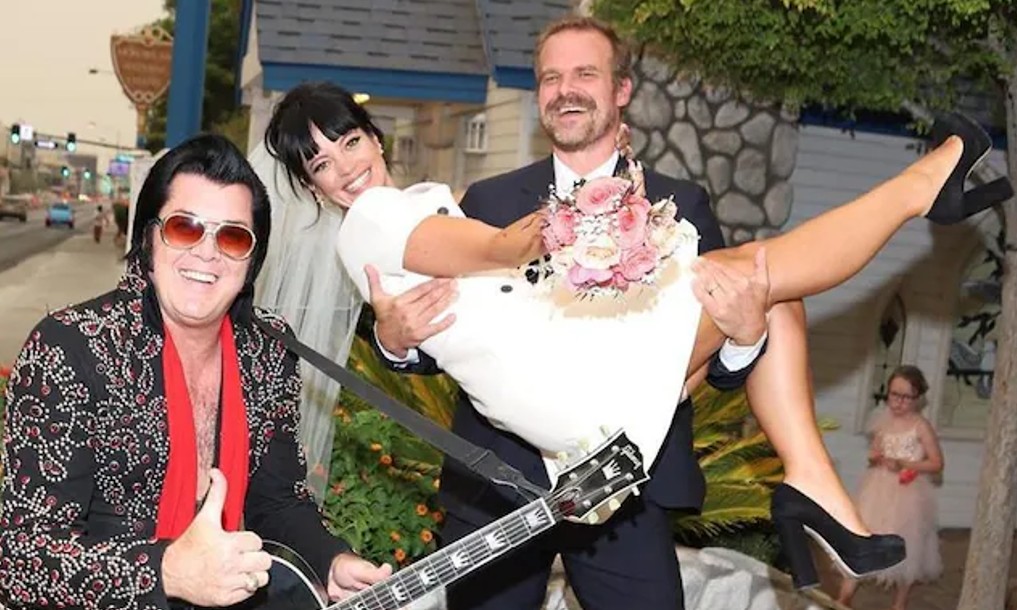
For a while, the couple was a fan favorite, sharing cozy Instagram posts and appearing together at red carpet events. Harbour became a loving stepfather to Allen’s daughters, Ethel Mary (13) and Marnie Rose (12), from her previous marriage to builder Sam Cooper.
However, cracks began to show in recent years. By early 2024, rumors of separation surfaced, and by February 2025, reports confirmed that the couple had officially split after four years of marriage.
Healing Through Music
Allen has been candid about channeling her emotions into her art. In a January 2025 episode of her BBC podcast “Miss Me?”, she didn’t mention Harbour by name but revealed she had been “spiraling” during a difficult period.

She spoke about focusing on being present for her daughters, saying:
“We are a support network for each other and encourage each other to talk about our feelings. The main thing is telling them we’re going to get through it and be fine.”
This sentiment mirrors the themes of resilience and self-rediscovery running through “West End Girl.” While the album tells a story of heartbreak, it also celebrates independence and growth. It’s Lily Allen reclaiming her narrative, one lyric at a time.
A Return to Authentic Storytelling
“West End Girl” feels like the evolution of Lily Allen’s career. From her cheeky debut “Alright, Still” to the introspective “No Shame,” Allen has always mastered the art of merging pop sensibility with fearless honesty. This album continues that legacy — proving she’s still one of the most refreshingly candid voices in music.

It’s not just about a breakup; it’s about self-respect, accountability, and the messy process of healing. Allen doesn’t play the victim — she plays the truth.
Final Thoughts
“West End Girl” isn’t just a breakup album — it’s a deeply personal exploration of love, loss, and resilience. Whether or not every lyric is about David Harbour, the emotional truth behind the songs is unmistakable. Lily Allen has once again turned her private pain into public empowerment, reminding fans why her music continues to resonate across generations.